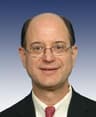
A Democratic bill with 19 Democratic cosponsors · See all 19 cosponsors
Last activity — Referred to the House Committee on Energy and Commerce.
In committee
Introduced and handed to a committee in the chamber it started in.
The committee holds it, and most bills are never heard from again. A hearing or a committee vote would be news; silence is the usual outcome, and it kills the bill without anyone voting against it.
Its path through Congress
- Introduced
- In Committee
What this bill would do
This bill is known as the "Click to Cancel Act of 2025." Its primary purpose is to codify the rule issued by the Federal Trade Commission on November 15, 2024, regarding the "Negative Option Rule." By doing so, the rule will have the force and effect of law. The bill also establishes enforcement protocols for these regulations. It treats violations as unfair or deceptive acts or practices. Finally, it grants the Federal Trade Commission specific powers to enforce this section.
Yes· 3 of 22
- Scored +2
Would households on low incomes be better off under this?
Low-income households benefit from easier subscription cancellations, reducing unwanted expenses.
- Scored +2
Would middle-income households be better off under this?
Middle-class households benefit from easier subscription cancellations, reducing unwanted expenses.
- Scored +2
Would students be better off under this?
Students subscribe to online services and benefit greatly from easier cancellation policies.
The opposite
- Scored -1
Would business owners be better off under this?
This could reduce revenue for business owners with subscription models, as customers may cancel more easily.
Who it would affect, and how
Potential Positive Impacts for People
-
Force of Law for Consumer Protections: The bill ensures that the Federal Trade Commission's rule regarding the "Negative Option Rule" has the force and effect of law, providing a legal basis for the rule issued on November 15, 2024 (Section 2(a)).
-
Strengthened Enforcement: By treating violations as unfair or deceptive acts or practices, the bill provides a mechanism to address such actions under section 18(a)(1)(B) of the Federal Trade Commission Act (Section 2(b)(1)).
-
Empowered Oversight: The Federal Trade Commission is granted specific powers, including the same jurisdiction, duties, and means of enforcement as found in the Federal Trade Commission Act, to ensure the rule is followed (Section 2(b)(2)).
Potential Negative Impacts for People
- No specific negative impacts are mentioned in the provided text.
Groups and Interests Ranking
Every group the model scored this bill for, from -10 to +10. Tap or hover a score for the reason it gave.
- Demographic And Interest Groups
- Would households on low incomes be better off under this? — Low-income households benefit from easier subscription cancellations, reducing unwanted expenses. Would middle-income households be better off under this? — Middle-class households benefit from easier subscription cancellations, reducing unwanted expenses. Would students be better off under this? — Students subscribe to online services and benefit greatly from easier cancellation policies. Would Black Americans be better off under this? — African Americans subscribe to online services and benefit from easier cancellation policies. Would Asian Americans be better off under this? — Asian Americans subscribe to online services and benefit from easier cancellation policies. Would high-income households be better off under this? — High-income households may benefit slightly from easier subscription cancellations. Would Hispanic Americans be better off under this? — Hispanic Americans subscribe to online services and benefit from easier cancellation policies. Would immigrants be better off under this? — Immigrants subscribe to online services and benefit from easier cancellation policies. Would LGBTQ people be better off under this? — LGBTQ community members subscribe to online services and benefit from easier cancellation policies. Would men be better off under this? — Men subscribe to online services and benefit from easier cancellation policies. Would people in middle age be better off under this? — Middle-aged adults often subscribe to online services, and this bill makes it easier to cancel those subscriptions. Would Native Americans be better off under this? — Native Americans subscribe to online services and benefit from easier cancellation policies. Would people with disabilities be better off under this? — People with disabilities subscribe to online services and benefit from easier cancellation policies. Would retired people be better off under this? — Retirees subscribe to online services and benefit from easier cancellation policies. Would people in rural areas be better off under this? — Rural residents often subscribe to online services and benefit from easier cancellation policies. Would people over 65 be better off under this? — Seniors often subscribe to online services, and this bill makes it easier to cancel those subscriptions. Would people in cities be better off under this? — Urban residents often subscribe to online services and benefit from easier cancellation policies. Would veterans be better off under this, taking everything together? — Veterans subscribe to online services and benefit from easier cancellation policies. Would white Americans be better off under this? — White Americans subscribe to online services and benefit from easier cancellation policies. Would women be better off under this? — Women subscribe to online services and benefit from easier cancellation policies. Would people in their twenties and thirties be better off under this? — Young adults often subscribe to online services, and this bill makes it easier to cancel those subscriptions. Would business owners be better off under this? — This could reduce revenue for business owners with subscription models, as customers may cancel more easily.
- Economy And Finance
- Does this give people more protection from unfair business practices? — The bill enforces consumer protection by making it easier to cancel subscriptions.
- 5/14/2026
- 1 Cosponsor added.
- 2/9/2026
- 1 Cosponsor added.
- 10/21/2025
- 1 Cosponsor added.
- 9/30/2025
- 1 Cosponsor added.
- 8/22/2025
- 1 Cosponsor added.
- 8/15/2025
- 3 Cosponsors added.
- 8/8/2025
- 7 Cosponsors added.
- 8/1/2025
- 2 Cosponsors added.
- 7/29/2025
- Referred to the House Committee on Energy and Commerce.
- 2 Cosponsors added.
- Introduced in House
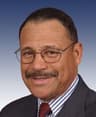 Sanford Bishop
Democrat · Georgia
 Shontel Brown
Democrat · Ohio
 Christopher Deluzio
Democrat · Pennsylvania
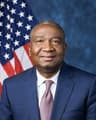 Cleo Fields
Democrat · Louisiana
 Pramila Jayapal
Democrat · Washington
 Seth Moulton
Democrat · Massachusetts
 Seth Magaziner
Democrat · Rhode Island
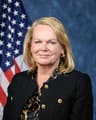 April McClain Delaney
Democrat · Maryland
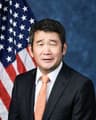 Dave Min
Democrat · California
 Eleanor Norton
Democrat · District of Columbia
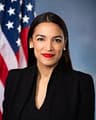 Alexandria Ocasio-Cortez
Democrat · New York
 Delia Ramirez
Democrat · Illinois
 Melanie Stansbury
Democrat · New Mexico
 Eric Sorensen
Democrat · Illinois
 Andrea Salinas
Democrat · Oregon
 Suhas Subramanyam
Democrat · Virginia
 Mike Thompson
Democrat · California
 Shri Thanedar
Democrat · Michigan
 Eugene Vindman
Democrat · Virginia