
A Republican bill with 1 Democratic cosponsor · See all 4 cosponsors
Last activity — Referred to the House Committee on Natural Resources.
In committee
Introduced and handed to a committee in the chamber it started in.
The committee holds it, and most bills are never heard from again. A hearing or a committee vote would be news; silence is the usual outcome, and it kills the bill without anyone voting against it.
Its path through Congress
- Introduced
- In Committee
What this bill would do
The Habitat Enhancement Now Act aims to sustain migratory waterfowl populations by establishing grant programs. One program focuses on strategically placing and maintaining "hen houses" in the prairie pothole region to improve nesting success. The other program is for developing breeding habitat in California, including providing incentives to landowners.
Yes· 3 of 14
- Scored +7
Does this better protect air, water and wildlife?
The bill directly supports habitat conservation and restoration, specifically for breeding waterfowl, thus improving overall environmental protection.
- Scored +5
Would people in rural areas be better off under this?
The bill specifically targets habitat development in rural areas and incentivizes landowners to participate in these programs.
- Scored +5
Does this cut the pollution that drives climate change?
The bill aims to sustain migratory waterfowl populations by establishing grant programs for habitat enhancement, which indirectly supports broader ecosystem health and potentially contributes to carbon sequestration.
The opposite
No question was scored the opposite.
Who it would affect, and how
Potential Positive Impacts for People
-
Section 2(c)(1): Establishes a "Hen House Grant Program" to improve nesting success rates of migratory waterfowl in the prairie pothole region. This could be seen as positive because it supports biodiversity and healthy ecosystems, which can indirectly benefit people by maintaining ecological balance and potentially boosting recreational activities like bird watching and hunting.
-
Section 2(c)(2): Creates a "Breeding Habitat Grant Program" in California to enhance breeding success rates of migratory waterfowl by establishing nesting cover, creating brood ponds, and providing incentives to landowners. This could be considered positive as it promotes conservation and potentially supports local economies related to outdoor recreation and tourism.
Potential Negative Impacts for People
- I could not identify any negative impacts for people from the bill.
Groups and Interests Ranking
Every group the model scored this bill for, from -10 to +10. Tap or hover a score for the reason it gave.
- Demographic And Interest Groups
- Would people in rural areas be better off under this? — The bill specifically targets habitat development in rural areas and incentivizes landowners to participate in these programs. Would business owners be better off under this? — Landowners could receive incentives for participating in the Breeding Habitat Grant Program, benefiting their businesses. Would children be better off under this? — The bill supports biodiversity and healthy ecosystems, potentially providing more opportunities for outdoor recreation and education for children. Would farmers be better off under this? — Farmers in California could benefit from incentives to create or restore brood ponds and nesting cover. Would gun owners be better off under this? — The bill could indirectly benefit hunters by supporting waterfowl populations. Would people in middle age be better off under this? — The bill could create some opportunities for middle-aged individuals involved in environmental conservation and recreational activities. Would retired people be better off under this? — The bill may enhance recreational opportunities such as bird watching, benefiting retirees. Would people over 65 be better off under this? — The bill may enhance recreational opportunities such as bird watching, benefiting seniors. Would students be better off under this? — The bill supports environmental education through habitat conservation. Would people in their twenties and thirties be better off under this? — The bill could lead to increased opportunities for young adults in conservation and environmental management fields.
- Environment Energy And Infrastructure
- Does this better protect air, water and wildlife? — The bill directly supports habitat conservation and restoration, specifically for breeding waterfowl, thus improving overall environmental protection. Does this cut the pollution that drives climate change? — The bill aims to sustain migratory waterfowl populations by establishing grant programs for habitat enhancement, which indirectly supports broader ecosystem health and potentially contributes to carbon sequestration. Does this better protect public land such as parks and forests? — The bill promotes better management of lands important for waterfowl breeding, indirectly supporting overall public land health. Does this invest in rural communities? — By providing incentives to landowners for habitat development, the bill could lead to improved rural economic opportunities through conservation and recreation.
- 6/3/2026
- 1 Cosponsor added.
- 11/7/2025
- 1 Cosponsor added.
- 7/22/2025
- Referred to the House Committee on Natural Resources.
- 2 Cosponsors added.
- Introduced in House
2 bills Congress.gov lists as related to this one — companions in the other chamber, earlier versions, and bills this one absorbed or was folded into.
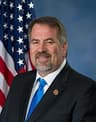 Doug LaMalfa
Republican · California
 Addison McDowell
Republican · North Carolina
 Mike Thompson
Democrat · California
 Robert Wittman
Republican · Virginia