
David Scott (D-GA)
Black Farmers and Socially Disadvantaged Farmers Increased Market Share Act
A Democratic bill with 22 Democratic cosponsors · See all 22 cosponsors
Last activity — Referred to the Committee on Agriculture, and in addition to the Committee on Ways and Means, for a period to be subsequently determined by the Speaker, in each case for consideration of such provisions as fall within the jurisdiction of the committee concerned.
In committee
Introduced and handed to a committee in the chamber it started in.
The committee holds it, and most bills are never heard from again. A hearing or a committee vote would be news; silence is the usual outcome, and it kills the bill without anyone voting against it.
Its path through Congress
- Introduced
- In Committee
What this bill would do
This bill, known as the "Black Farmers and Socially Disadvantaged Farmers Increased Market Share Act," aims to increase market access for Black and socially disadvantaged farmers and ranchers. It establishes a grant program for the creation or expansion of food hubs to assist these producers. The legislation also creates an agriculture hub tax credit for qualified expenses. Additionally, it implements stricter civil rights accountability for USDA employees. Finally, the bill establishes an Office of the Civil Rights Ombudsperson to assist producers with the civil rights review process.
Yes· 3 of 17
- Scored +8
Would Black Americans be better off under this?
The bill specifically targets Black farmers through increased market access and civil rights protections.
- Scored +8
Does this narrow racial gaps in how people are treated?
The bill explicitly targets market access for Black and socially disadvantaged farmers through grants and enhanced civil rights oversight.
- Scored +6
Would farmers be better off under this?
The bill provides substantial resources, including grants and tax credits, to support farmers and ranchers.
The opposite
No question was scored the opposite.
Who it would affect, and how
Potential Positive Impacts for People
-
Increased market access via grants: The Secretary of Agriculture will establish a competitive grant program to support new or expanding food hubs, which can be used to purchase land, buildings, equipment, and marketing services to help socially disadvantaged farmers and ranchers (Section 2(b)).
-
Priority for underserved communities: Grant applications may be given priority if they benefit underserved communities or involve the aggregation and marketing of foods that meet donated food standards (Section 2(b)(4)).
-
Support for USDA domestic food assistance: The Secretary is tasked with creating a process to prioritize purchasing agricultural products from socially disadvantaged farmers and ranchers for use in USDA domestic food assistance programs (Section 2(c)(1)).
-
Tax incentives for food hubs: A new tax credit is created, allowing taxpayers to claim an amount equal to 25 percent of qualified food hub expenses (Section 3(a)).
-
Enhanced civil rights accountability: USDA officials and employees will be held accountable through corrective actions, which may include disciplinary measures like suspension or removal, if they engage in discriminatory actions, harassment, or civil rights violations (Section 4(a)-(c)).
-
Easier access to relief: The Assistant Secretary of Agriculture for Civil Rights will have the authority to grant relief to participants who file civil rights program complaints without needing prior approval from other officers (Section 5(a)).
-
Protection in legal proceedings: For hearings within the National Appeals Division, the agency will now bear the burden of proving that an adverse decision was valid by substantial evidence (Section 6).
-
Dedicated assistance through an Ombudsperson: The creation of an Office of the Civil Rights Ombudsperson will help producers navigate the civil rights review process and ensure they are aware of the appeals process (Section 7(d)).
Potential Negative Impacts for People
-
Bureaucratic requirements for grants: Entities seeking grants must submit detailed applications including descriptions of activities, competency demonstrations, and lists of eligible partners (Section 2(b)(3)).
-
Restrictions on tax credits: The agriculture hub credit will not apply to taxable years beginning after the Secretary determines the grant program has ended (Section 3(a)(d)).
-
Impact on USDA employee discipline: The bill mandates that appropriate corrective action be taken for misconduct, which includes potential disciplinary actions such as reduction in grade or pay, suspension without pay, or removal from Federal service (Section 4(c)).
Groups and Interests Ranking
Every group the model scored this bill for, from -10 to +10. Tap or hover a score for the reason it gave.
- Demographic And Interest Groups
- Would Black Americans be better off under this? — The bill specifically targets Black farmers through increased market access and civil rights protections. Would farmers be better off under this? — The bill provides substantial resources, including grants and tax credits, to support farmers and ranchers. Would Native Americans be better off under this? — The bill includes provisions and definitions that explicitly consider Tribal organizations. Would people in rural areas be better off under this? — Investment in food hubs and agricultural infrastructure directly supports rural community stability. Would business owners be better off under this? — The bill provides grants and tax credits that are highly beneficial for agricultural business owners. Would Asian Americans be better off under this? — The bill benefits all socially disadvantaged groups, which may include Asian farmers. Would households on low incomes be better off under this? — Increased support for food hubs may indirectly benefit low-income access to food via domestic assistance programs.
- Economy And Finance
- Does this make it easier to run a small business? — The bill provides direct grant opportunities and tax credits specifically to support food hubs and small producers. Does this cut taxes for small businesses? — The bill provides a 25 percent tax credit for qualified food hub expenses to support agriculture businesses. Is this likely to grow the economy? — The bill aims to increase market access for underserved producers, potentially boosting agricultural economic activity. Is this likely to create jobs? — The establishment of food hubs through grants and tax credits may stimulate job growth in the agricultural sector.
- Governance And Ideology
- Does this protect the right to fair treatment by the courts? — The bill shifts the burden of proof to the agency and provides new avenues for equitable relief. Does this make what the government does easier for the public to see? — The bill mandates public reporting and the creation of an Ombudsperson to improve civil rights transparency. Does this give the federal government more power? — The bill increases federal oversight and accountability within the USDA.
- Social Issues And Justice
- Does this narrow racial gaps in how people are treated? — The bill explicitly targets market access for Black and socially disadvantaged farmers through grants and enhanced civil rights oversight. Is this likely to lift people out of poverty? — By increasing market share for disadvantaged farmers, the bill may assist in household income improvements.
- Environment Energy And Infrastructure
- Does this invest in rural communities? — The bill funds agricultural infrastructure like food hubs which supports rural economic development.
- 7/21/2025
- 1 Cosponsor added.
- 7/17/2025
- Referred to the Committee on Agriculture, and in addition to the Committee on Ways and Means, for a period to be subsequently determined by the Speaker, in each case for consideration of such provisions as fall within the jurisdiction of the committee concerned.
- 21 Cosponsors added.
- Introduced in House
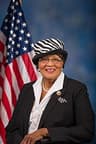 Alma Adams
Democrat · North Carolina
 Sanford Bishop
Democrat · Georgia
 Shontel Brown
Democrat · Ohio
 Steve Cohen
Democrat · Tennessee
 André Carson
Democrat · Indiana
 Troy Carter
Democrat · Louisiana
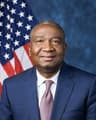 Cleo Fields
Democrat · Louisiana
 Maxwell Frost
Democrat · Florida
 Shomari Figures
Democrat · Alabama
 Henry Johnson
Democrat · Georgia
 Jonathan Jackson
Democrat · Illinois
 Robin Kelly
Democrat · Illinois
 Jennifer McClellan
Democrat · Virginia
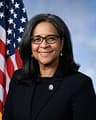 Marilyn Strickland
Democrat · Washington
 Terri Sewell
Democrat · Alabama
 Darren Soto
Democrat · Florida
 Jill Tokuda
Democrat · Hawaii
 Shri Thanedar
Democrat · Michigan
 Maxine Waters
Democrat · California
 Nikema Williams
Democrat · Georgia
 Frederica Wilson
Democrat · Florida
 Bonnie Watson Coleman
Democrat · New Jersey