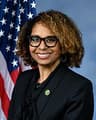
A Democratic bill with 8 Democratic cosponsors · See all 8 cosponsors
Last activity — Referred to the House Committee on Financial Services.
In committee
Introduced and handed to a committee in the chamber it started in.
The committee holds it, and most bills are never heard from again. A hearing or a committee vote would be news; silence is the usual outcome, and it kills the bill without anyone voting against it.
Its path through Congress
- Introduced
- In Committee
What this bill would do
The "INSURE Act" requires the Secretary of the Treasury to create a reinsurance program for primary insurance companies covering catastrophic property losses. The program will phase in coverage for perils such as wind, hurricanes, wildfires, severe storms, floods, and earthquakes over several years. To participate, insurers must offer all-perils policies and enter into loss prevention partnerships with policyholders. The bill establishes a Federal Catastrophe Reinsurance Fund funded by premiums from participating insurers. Additionally, it creates a pilot program for multi-year insurance policies with terms of at least five years.
Yes· 3 of 31
- Scored +6
Does this improve help for people hit by a disaster?
Directly supports disaster recovery by stabilizing the reinsurance market for catastrophic property losses.
- Scored +5
Would middle-income households be better off under this?
Reduces risk of total loss and improves premium stability via the multi-year pilot.
- Scored +5
Would business owners be better off under this?
Lowers the risk and cost of commercial property insurance for catastrophic events.
The opposite
No question was scored the opposite.
Who it would affect, and how
Potential Positive Impacts for People
- Increased Insurance Availability: The program aims to reduce costs for insurers to provide coverage for catastrophe perils, which may encourage the offering of all-perils property insurance policies (Section 3(e)(3)(A)).
- Encouragement of Loss Prevention: Participating insurers must offer loss prevention partnerships with policyholders to encourage activities that reduce economic losses from catastrophes (Section 3(b)(2)).
- Long-Term Price Stability: The pilot program for multi-year policies prevents insurers from increasing premiums based on new assessments of catastrophe peril risks for the property (Section 5(b)(2)).
- Support for Underserved Areas: The advisory committee includes representatives from independent insurance agents who serve traditionally underserved areas (Section 3(h)(2)(G)).
- Potential Relocation Assistance: The Secretary must report on the feasibility of creating a fund to help relocate homes and businesses that can no longer be insured due to catastrophe perils (Section 4(1)).
Potential Negative Impacts for People
- Repayment Requirements: If a policyholder cancels a multi-year policy after receiving funds for property improvements, they must pay back a pro-rata share of those funds to the source (Section 5(c)(3)).
- Coverage Contingencies: Insurers in the program may make coverage contingent upon the policyholder implementing specific loss prevention activities (Section 3(g)(1)(B)).
- Maintenance Requirements: Insurers in the multi-year pilot program can require that property maintenance be kept consistent with the condition of the property when the policy was first issued (Section 5(b)(3)).
Groups and Interests Ranking
Every group the model scored this bill for, from -10 to +10. Tap or hover a score for the reason it gave.
- Demographic And Interest Groups
- Would business owners be better off under this? — Lowers the risk and cost of commercial property insurance for catastrophic events. Would farmers be better off under this? — Agricultural properties benefit significantly from improved wildfire and flood reinsurance. Would middle-income households be better off under this? — Reduces risk of total loss and improves premium stability via the multi-year pilot. Would people in rural areas be better off under this? — Provides critical reinsurance for rural areas prone to wildfires and storms. Would Black Americans be better off under this? — Focuses on underserved areas and fair housing representation in the advisory committee. Would Hispanic Americans be better off under this? — Focuses on underserved areas and fair housing representation in the advisory committee. Would households on low incomes be better off under this? — Increases availability of insurance and supports loss prevention in underserved areas. Would people in middle age be better off under this? — Provides homeowners with more stable and available property insurance. Would Native Americans be better off under this? — Increases availability of insurance in rural and underserved areas. Would retired people be better off under this? — Provides long-term price stability and protection of home assets. Would people over 65 be better off under this? — Helps protect home equity for seniors through better catastrophe coverage. Would white Americans be better off under this? — Increases overall availability and stability of property insurance. Would Asian Americans be better off under this? — Provides broader access to catastrophic insurance. Would billionaires be better off under this? — Stabilizes commercial and residential property markets. Would high-income households be better off under this? — Provides an additional layer of stability for high-value property assets. Would people with substantial wealth be better off under this? — Increases overall stability of the property insurance market. Would the very wealthiest people be better off under this? — Stabilizes the high-end property insurance market. Would people in cities be better off under this? — Improves coverage for urban catastrophe perils like severe storms. Would veterans be better off under this, taking everything together? — Includes the VA in the advisory committee to consider veteran housing needs.
- Economy And Finance
- Does this give people more protection from unfair business practices? — Protects consumers through all-perils policies and long-term premium stability in the pilot program. Does this make it easier to run a small business? — Provides reinsurance support that may lower premiums and increase availability of commercial property insurance. Is this likely to grow the economy? — Increases stability of property insurance markets and encourages loss prevention investments.
- Governance And Ideology
- Does this make what the government does easier for the public to see? — Requires the Secretary to make collected insurance data available online. Does this make it easier to do business across state lines? — Creates a national framework for reinsurance that supports state-level insurance markets. Does this give the federal government more power? — Expands the Treasury's role into the property insurance reinsurance market.
- Social Issues And Justice
- Does this make housing cost less? — Increases the availability of catastrophic insurance, which is critical for maintaining affordable housing in high-risk areas. Does this narrow racial gaps in how people are treated? — Includes representation for underserved areas in the advisory committee to improve insurance access. Is this likely to lift people out of poverty? — Reduces the financial shock of catastrophic losses for homeowners. Is this likely to reduce homelessness? — By improving insurance availability and studying relocation funds, it helps prevent permanent displacement after disasters.
- Environment Energy And Infrastructure
- Does this improve help for people hit by a disaster? — Directly supports disaster recovery by stabilizing the reinsurance market for catastrophic property losses. Does this invest in rural communities? — Provides better insurance mechanisms for rural properties prone to wildfires and storms.
- 10/6/2026
- 1 Cosponsor added.
- 9/1/2026
- 1 Cosponsor added.
- 1/15/2026
- 1 Cosponsor added.
- 10/28/2025
- 1 Cosponsor added.
- 10/3/2025
- 1 Cosponsor added.
- 7/17/2025
- Referred to the House Committee on Financial Services.
- 3 Cosponsors added.
- Introduced in House
One bill Congress.gov lists as related to this one — companions in the other chamber, earlier versions, and bills this one absorbed or was folded into.
 Salud Carbajal
Democrat · California
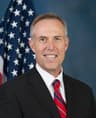 Jared Huffman
Democrat · California
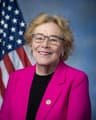 Zoe Lofgren
Democrat · California
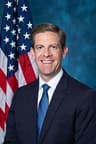 Mike Levin
Democrat · California
 Doris Matsui
Democrat · California
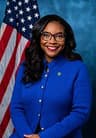 Emilia Sykes
Democrat · Ohio
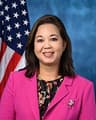 Jill Tokuda
Democrat · Hawaii
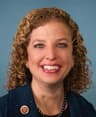 Debbie Wasserman Schultz
Democrat · Florida