
A Republican bill with 1 Democratic cosponsor · See all 10 cosponsors
Last activity — Referred to the House Committee on Oversight and Government Reform.
In committee
Introduced and handed to a committee in the chamber it started in.
The committee holds it, and most bills are never heard from again. A hearing or a committee vote would be news; silence is the usual outcome, and it kills the bill without anyone voting against it.
Its path through Congress
- Introduced
- In Committee
What this bill would do
The "Pony Up Act" requires the United States Postal Service to reimburse citizens for fees or penalties resulting from late bill payments caused by delayed mail delivery. Under the bill, the USPS must pay an amount equal to the total fees and penalties incurred if a bill or payment is delivered late. Citizens can apply for these payments through a website, by mail, or at a post office. However, the USPS is not responsible for delays caused by unforeseen circumstances like major disasters. The bill also mandates annual reports and an audit regarding mail delivery delays and prioritization.
Yes· 3 of 7
- Scored +5
Does this give people more protection from unfair business practices?
The bill protects citizens from financial penalties caused by postal service failures.
- Scored +4
Does this make what the government does easier for the public to see?
The bill mandates annual reports and audits regarding mail delivery delays and prioritization practices.
- Scored +3
Does this protect the right to fair treatment by the courts?
The bill establishes a formal appeal process through a Judicial Officer for disputed reimbursement decisions.
The opposite
- Scored -2
Does this reduce what the federal government spends?
The bill requires the USPS, a government entity, to pay reimbursements to citizens, which increases its costs.
Who it would affect, and how
Potential Positive Impacts for People
-
Financial Reimbursement: Citizens can have the USPS pay them back for any fees or penalties charged due to late payments when a bill or payment was delayed in the mail (Section 2, subsection a).
-
Full Penalty Coverage: The payment a citizen receives is equal to the total amount of the fees and penalties they were obligated to pay (Section 2, subsection b).
-
Easy Application Access: Citizens can submit their reimbursement applications through a public website, by mail, or in person at any post office (Section 2, subsection c).
-
Right to Appeal: If a citizen disagrees with a determination made by the USPS, they have the right to appeal the decision in writing to a Judicial Officer (Section 2, subsection e).
Potential Negative Impacts for People
-
Exceptions for Unforeseen Circumstances: Citizens may not receive reimbursement if the delay was caused by things outside the control of the USPS, such as a major disaster or an emergency declared by the President (Section 2, subsection d).
-
Strict Definition of Delayed Delivery: To qualify for reimbursement, the mail must meet very specific timing criteria regarding when it was received by the USPS and when it was delivered relative to the due date (Section 2, subsection g).
Groups and Interests Ranking
Every group the model scored this bill for, from -10 to +10. Tap or hover a score for the reason it gave.
- Governance And Ideology
- Does this make what the government does easier for the public to see? — The bill mandates annual reports and audits regarding mail delivery delays and prioritization practices. Does this protect the right to fair treatment by the courts? — The bill establishes a formal appeal process through a Judicial Officer for disputed reimbursement decisions.
- Demographic And Interest Groups
- Would households on low incomes be better off under this? — The bill provides a mechanism for households to recover money lost to late fees due to mail delays. Would middle-income households be better off under this? — The bill offers financial recourse for those facing penalties due to delayed mail delivery. Would people in cities be better off under this? — The bill provides a minor financial benefit to all citizens affected by mail delays regardless of location.
- Economy And Finance
- Does this give people more protection from unfair business practices? — The bill protects citizens from financial penalties caused by postal service failures. Does this reduce what the federal government spends? — The bill requires the USPS, a government entity, to pay reimbursements to citizens, which increases its costs.
- Social Issues And Justice
- Is this likely to lift people out of poverty? — Reimbursing late fees can help protect the limited financial resources of low-income individuals.
- 2/4/2025
- 1 Cosponsor added.
- 1/23/2025
- 1 Cosponsor added.
- 1/21/2025
- 2 Cosponsors added.
- 1/15/2025
- Referred to the House Committee on Oversight and Government Reform.
- 6 Cosponsors added.
- Introduced in House
 Mark Alford
Republican · Missouri
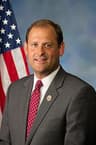 Andy Barr
Republican · Kentucky
 Mike Bost
Republican · Illinois
 Eric Burlison
Republican · Missouri
 Emanuel Cleaver
Democrat · Missouri
 Mike Collins
Republican · Georgia
 Tracey Mann
Republican · Kansas
 Jason Smith
Republican · Missouri
 Pete Stauber
Republican · Minnesota
 Bruce Westerman
Republican · Arkansas