
A Republican bill with 6 Democratic cosponsors · See all 8 cosponsors
Last activity — Referred to the House Committee on Ways and Means.
In committee
Introduced and handed to a committee in the chamber it started in.
The committee holds it, and most bills are never heard from again. A hearing or a committee vote would be news; silence is the usual outcome, and it kills the bill without anyone voting against it.
Its path through Congress
- Introduced
- In Committee
What this bill would do
This bill, known as the "Financing Lead Out of Water Act of 2025" or the "Flow Act," aims to amend the Internal Revenue Code of 1986. It focuses on modifying the private business use requirements for bonds issued for lead service line replacement projects. Specifically, it seeks to clarify that qualified lead service line replacement use does not constitute private business use. This applies to the use of proceeds to replace privately-owned portions of lead service lines connected to a public water system. The goal is to facilitate, achieve, or maintain compliance with national primary drinking water regulations for lead. These changes would apply to obligations issued after December 31, 2025.
Yes· 3 of 12
- Scored +7
Does this better protect air, water and wildlife?
The bill facilitates the replacement of lead service lines, improving water safety and environmental health.
- Scored +5
Would children be better off under this?
Protecting water from lead is significantly beneficial for child development and health.
- Scored +5
Does this give people more protection from unfair business practices?
Improving water safety by facilitating lead service line replacement enhances consumer health and safety.
The opposite
No question was scored the opposite.
Who it would affect, and how
Potential Positive Impacts for People
-
Compliance with Water Safety Standards: The bill defines a "qualified lead service line replacement use" as the replacement of privately-owned portions of a lead service line to help a public water system meet national primary drinking water regulations for lead (Section 2(a)(ii)(I)).
-
Clarification of Bond Use: By stating that these replacement uses shall not constitute "private business use," the bill modifies the requirements for bonds issued for these projects (Section 2(a)(i)).
Potential Negative Impacts for People
- No negative impacts or burdens are explicitly mentioned in the provided text.
Groups and Interests Ranking
Every group the model scored this bill for, from -10 to +10. Tap or hover a score for the reason it gave.
- Demographic And Interest Groups
- Would children be better off under this? — Protecting water from lead is significantly beneficial for child development and health. Would households on low incomes be better off under this? — Facilitating lead service line replacement can reduce health risks and potential costs for low-income families. Would people in cities be better off under this? — Urban areas often have aging infrastructure that would benefit from these facilitated replacements. Would middle-income households be better off under this? — The bill helps facilitate water infrastructure improvements that benefit middle-class households. Would students be better off under this? — Cleaner water is highly beneficial for student health and environments. Would people in middle age be better off under this? — Health benefits from cleaner water apply to all ages, including middle-aged adults. Would retired people be better off under this? — Health benefits from cleaner water apply to all ages, including retirees. Would people in rural areas be better off under this? — Rural water systems also benefit from clearer financing pathways for infrastructure updates. Would people over 65 be better off under this? — Health benefits from cleaner water apply to all ages, including seniors. Would people in their twenties and thirties be better off under this? — Health benefits from cleaner water apply to all ages, including young adults.
- Environment Energy And Infrastructure
- Does this better protect air, water and wildlife? — The bill facilitates the replacement of lead service lines, improving water safety and environmental health.
- Economy And Finance
- Does this give people more protection from unfair business practices? — Improving water safety by facilitating lead service line replacement enhances consumer health and safety.
- 12/12/2025
- 1 Cosponsor added.
- 12/9/2025
- 1 Cosponsor added.
- 10/17/2025
- 1 Cosponsor added.
- 9/9/2025
- 1 Cosponsor added.
- 8/12/2025
- 1 Cosponsor added.
- 6/10/2025
- Referred to the House Committee on Ways and Means.
- 3 Cosponsors added.
- Introduced in House
One bill Congress.gov lists as related to this one — companions in the other chamber, earlier versions, and bills this one absorbed or was folded into.
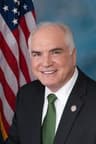 Mike Kelly
Republican · Pennsylvania
 Michael Lawler
Republican · New York
 Gwen Moore
Democrat · Wisconsin
 Kristen McDonald Rivet
Democrat · Michigan
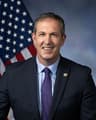 Johnny Olszewski
Democrat · Maryland
 Nellie Pou
Democrat · New Jersey
 Haley Stevens
Democrat · Michigan
 Eugene Vindman
Democrat · Virginia