
A Democratic bill with 1 Republican cosponsor · See all 2 cosponsors
Last activity — Referred to the Committee on Science, Space, and Technology, and in addition to the Committee on Energy and Commerce, for a period to be subsequently determined by the Speaker, in each case for consideration of such provisions as fall within the jurisdiction of the committee concerned.
In committee
Introduced and handed to a committee in the chamber it started in.
The committee holds it, and most bills are never heard from again. A hearing or a committee vote would be news; silence is the usual outcome, and it kills the bill without anyone voting against it.
Its path through Congress
- Introduced
- In Committee
What this bill would do
The Safe Stay Act proposes to amend the Federal Fire Prevention and Control Act of 1974. It aims to update fire prevention guidelines to require the mandatory installation of compliant carbon monoxide alarms in every sleeping or dwelling unit within places of public accommodation affecting commerce. The bill defines compliant alarms as those meeting International Fire Code or National Fire Protection Association Standard 72 requirements. It also requires owners of such places to provide written notice of compliance to guests upon check-in. The Federal Trade Commission would be responsible for enforcing these notice requirements.
Yes· 3 of 27
- Scored +5
Does this give people more protection from unfair business practices?
The bill increases safety transparency and consumer protection through mandatory alarm installations and notifications.
- Scored +4
Does this make what the government does easier for the public to see?
The bill requires businesses to provide written compliance notice, increasing transparency for travelers.
- Scored +3
Would children be better off under this?
Increased safety protocols for carbon monoxide reduction benefit children staying in public accommodations.
The opposite
- Scored -3
Would business owners be better off under this?
Imposes new regulatory compliance and notification costs on hospitality businesses.
- Scored -2
Does this make it easier to run a small business?
The mandate imposes new compliance and notice costs on hospitality business owners.
Who it would affect, and how
Potential Positive Impacts for People
-
Increased Safety in Public Accommodations: The bill requires that compliant carbon monoxide alarms be installed in each sleeping or dwelling unit within every place of public accommodation affecting commerce (Section 2, subsection a, paragraph 3).
-
Clear Safety Standards: The bill defines a "compliant carbon monoxide alarm" as a system installed according to the International Fire Code or National Fire Protection Association Standard 72, providing specific technical benchmarks for safety (Section 2, subsection b, paragraph 4).
-
Transparency for Guests: Owners or operators of places of public accommodation must provide written notice to each guest upon check-in attesting that the location is in compliance with the new alarm requirements (Section 3, subsection a).
Potential Negative Impacts for People
-
Compliance Burdens for Owners: Owners or operators of places of public accommodation affecting commerce are required to provide written notice to every guest at check-in regarding their compliance with the alarm mandates (Section 3, subsection a).
-
Potential Penalties for Non-Compliance: Failure to provide the required written notice of compliance can be treated as a violation of Federal Trade Commission regulations regarding unfair or deceptive acts or practices (Section 3, subsection b, paragraph 1).
Groups and Interests Ranking
Every group the model scored this bill for, from -10 to +10. Tap or hover a score for the reason it gave.
- Demographic And Interest Groups
- Would children be better off under this? — Increased safety protocols for carbon monoxide reduction benefit children staying in public accommodations. Would retired people be better off under this? — Improved safety standards in public accommodations provide peace of mind for retirees traveling. Would people over 65 be better off under this? — Increased safety and transparency for travelers, particularly important for health-conscious seniors. Would people with disabilities be better off under this? — Mandatory safety standards provide an extra layer of security for people with diverse health needs. Would Black Americans be better off under this? — Improves health safety for all travelers. Would Asian Americans be better off under this? — Improves health safety for all travelers. Would high-income households be better off under this? — Improves health safety in various public accommodations. Would Hispanic Americans be better off under this? — Improves health safety for all travelers. Would immigrants be better off under this? — Improves health safety for all travelers. Would LGBTQ people be better off under this? — Improves health safety for all travelers. Would households on low incomes be better off under this? — Improves health safety in various public accommodations. Would men be better off under this? — Improves health safety for all travelers. Would people in middle age be better off under this? — Increased safety and transparency for travelers. Would middle-income households be better off under this? — Improves health safety in various public accommodations. Would Native Americans be better off under this? — Improves health safety for all travelers. Would people in rural areas be better off under this? — Improves health safety in various public accommodations. Would students be better off under this? — Improves health safety for all travelers. Would people in cities be better off under this? — Improves health safety in various public accommodations. Would veterans be better off under this, taking everything together? — Improves health safety for all travelers. Would white Americans be better off under this? — Improves health safety for all travelers. Would women be better off under this? — Improves health safety for all travelers. Would people in their twenties and thirties be better off under this? — Increased safety and transparency for travelers. Would business owners be better off under this? — Imposes new regulatory compliance and notification costs on hospitality businesses.
- Governance And Ideology
- Does this make what the government does easier for the public to see? — The bill requires businesses to provide written compliance notice, increasing transparency for travelers. Does this give the federal government more power? — The bill expands Federal Trade Commission authority to enforce safety notice requirements in public accommodations.
- Environment Energy And Infrastructure
- Does this better protect air, water and wildlife? — The bill promotes environmental safety by regulating carbon monoxide exposure in public accommodations. Does this improve help for people hit by a disaster? — The bill updates fire prevention guidelines, which enhances the safety mandate of FEMA-related fire prevention goals.
- Economy And Finance
- Does this give people more protection from unfair business practices? — The bill increases safety transparency and consumer protection through mandatory alarm installations and notifications. Does this make it easier to run a small business? — The mandate imposes new compliance and notice costs on hospitality business owners.
- 10/24/2025
- 1 Cosponsor added.
- 6/5/2025
- Referred to the Committee on Science, Space, and Technology, and in addition to the Committee on Energy and Commerce, for a period to be subsequently determined by the Speaker, in each case for consideration of such provisions as fall within the jurisdiction of the committee concerned.
- 1 Cosponsor added.
- Introduced in House
 Young Kim
Republican · California
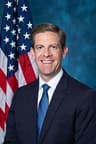 Mike Levin
Democrat · California