
A Republican bill with 1 Republican cosponsor · See the cosponsor
Last activity — Referred to the House Committee on Armed Services.
In committee
Introduced and handed to a committee in the chamber it started in.
The committee holds it, and most bills are never heard from again. A hearing or a committee vote would be news; silence is the usual outcome, and it kills the bill without anyone voting against it.
Its path through Congress
- Introduced
- In Committee
What this bill would do
This bill, known as the "Oath of Exit Act," seeks to amend title 10 of the United States Code. It proposes the establishment of a separation oath for members of the Armed Forces. This oath would be taken prior to retirement or other forms of separation, excluding those resulting from a court-martial. The legislation aims to provide a formal way for service members to commit to protecting their fellow veterans and maintaining their own well-being.
Yes
- Scored +6
Would veterans be better off under this, taking everything together?
The bill aims to foster a sense of community and mental well-being among veterans through a separation oath.
- Scored +5
Does this help veterans get medical care?
The bill encourages mental health awareness and peer support among veterans to combat suicide risks.
- Scored +4
Does this increase the pay, pensions or support veterans receive?
The bill promotes psychological well-being and community support for departing service members.
The opposite
No question was scored the opposite.
Who it would affect, and how
Potential Positive Impacts for People
-
Support for Mental Health and Well-being: The proposed separation oath includes a commitment to "maintain my body and my mind" and "to not bring harm to myself or others" (Section 2, subsection b). This is relevant given the finding that veterans face a suicide risk 21 percent higher than non-veteran adults (Section 2, subsection a, paragraph 3).
-
Fostering Veteran Community: The oath includes a promise to "give help to, and seek help from, my fellow veterans" (Section 2, subsection b). This may help address the findings that the Department of Veterans Affairs is working to prevent tragic outcomes like suicide, which remains unacceptably high (Section 2, subsection a, paragraphs 3 and 4).
-
Preservation of Values and Connection: The oath allows members to swear to be the "keeper of my brothers- and sisters-in-arms and protector of the United States and the Constitution" (Section 2, subsection b). This reinforces the sense of duty and obligation instilled by the various branches of the Armed Forces (Section 2, subsection a, paragraph 2).
Potential Negative Impacts for People
- Exclusion of Certain Members: The bill specifies that the separation oath is available to members "other than separation pursuant to the sentence of a court-martial" (Section 2, subsection b). This means individuals leaving the service due to such sentences would not be eligible to take this specific oath.
Groups and Interests Ranking
Every group the model scored this bill for, from -10 to +10. Tap or hover a score for the reason it gave.
- Demographic And Interest Groups
- Would veterans be better off under this, taking everything together? — The bill aims to foster a sense of community and mental well-being among veterans through a separation oath.
- Healthcare
- Does this help veterans get medical care? — The bill encourages mental health awareness and peer support among veterans to combat suicide risks.
- National Security And Foreign Policy
- Does this increase the pay, pensions or support veterans receive? — The bill promotes psychological well-being and community support for departing service members.
- 6/17/2025
- 1 Cosponsor added.
- 5/29/2025
- Referred to the House Committee on Armed Services.
- Introduced in House
One bill Congress.gov lists as related to this one — companions in the other chamber, earlier versions, and bills this one absorbed or was folded into.
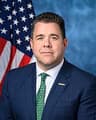 Nick LaLota
Republican · New York