
Byron Donalds (R-FL)
International Nuclear Energy Act of 2025
A Republican bill with 1 Republican cosponsor · See the cosponsor
Last activity — Referred to the Committee on Foreign Affairs, and in addition to the Committees on Energy and Commerce, Science, Space, and Technology, and Ways and Means, for a period to be subsequently determined by the Speaker, in each case for consideration of such provisions as fall within the jurisdiction of the committee concerned.
In committee
Introduced and handed to a committee in the chamber it started in.
The committee holds it, and most bills are never heard from again. A hearing or a committee vote would be news; silence is the usual outcome, and it kills the bill without anyone voting against it.
Its path through Congress
- Introduced
- In Committee
What this bill would do
The International Nuclear Energy Act of 2025 aims to create a whole-of-government strategy for nuclear cooperation and exports. It establishes a White House focal point led by an Assistant to the President to coordinate civil nuclear policies and export strategies. The bill creates a Nuclear Exports Working Group to develop a 10-year trade strategy for nuclear technologies. It also mandates international initiatives to assist embarking nations with technical capacity and financing for nuclear energy programs. Additionally, the act promotes cooperation with ally nations on advanced reactor demonstration and research. Finally, it includes provisions to bolster the domestic supply chain and competitiveness of small modular reactors.
Yes· 3 of 11
- Scored +6
Does this strengthen ties with allied countries?
The act emphasizes cooperation with ally and partner nations on advanced reactor research and deployment.
- Scored +6
Does this make trade with other countries easier?
The act establishes a 10-year strategy to facilitate the export of U.S. nuclear technologies and services.
- Scored +5
Does this send more money or help to other countries?
The bill authorizes financial assistance and grants to help embarking nations develop their nuclear energy programs.
The opposite
No question was scored the opposite.
Who it would affect, and how
Potential Positive Impacts for People
-
Increased Energy Security and Climate Solutions: The bill seeks to develop advanced nuclear reactor technologies to provide options for addressing energy security and climate change (Section 6(b)(1)).
-
Support for Nuclear Industry Workers and Companies: The act aims to promote the utilization of reactors, fuel, equipment, and services of U.S. nuclear energy companies in global programs (Section 7(a)(4)).
-
Job Creation through Domestic Supply Chains: The bill includes goals to develop a domestic nuclear supply chain to support the export of small modular reactors (Section 14(a)(2)).
-
Technical Training and Education: The President is directed to assist in providing education and training to foreign governments regarding nuclear safety, security, and safeguards (Section 4(a)(1)).
-
Financial Support for Emerging Programs: The act authorizes financial assistance and grants to help embarking civil nuclear nations build technical capacities and develop energy programs (Section 8(a) and 8(b)).
Potential Negative Impacts for People
-
Risk of Fraud, Waste, and Abuse: The bill acknowledges the need for oversight through the Inspectors General to prevent potential fraud, waste, and abuse related to financial assistance for embarking nations (Section 8(d)).
-
Economic Risks in Financing: Officials are directed to consider how United States competitiveness clauses might impact proposed financing relationships (Section 5(b)(2)).
Groups and Interests Ranking
Every group the model scored this bill for, from -10 to +10. Tap or hover a score for the reason it gave.
- National Security And Foreign Policy
- Does this strengthen ties with allied countries? — The act emphasizes cooperation with ally and partner nations on advanced reactor research and deployment. Does this make trade with other countries easier? — The act establishes a 10-year strategy to facilitate the export of U.S. nuclear technologies and services. Does this favour talking over confrontation abroad? — The bill creates new mechanisms for diplomatic engagement regarding nuclear energy and safety. Does this send more money or help to other countries? — The bill authorizes financial assistance and grants to help embarking nations develop their nuclear energy programs.
- Economy And Finance
- Is this likely to create jobs? — The bill promotes the domestic nuclear supply chain and exports, which is intended to create jobs in the nuclear industry. Is this likely to grow the economy? — By fostering international trade and domestic supply chains for nuclear technology, the bill aims to stimulate economic growth.
- Environment Energy And Infrastructure
- Does this cut the pollution that drives climate change? — The bill promotes advanced nuclear technology as a way to address climate change and reduce emissions. Does this better protect air, water and wildlife? — The bill emphasizes nuclear safety, security, and environmental safeguards in international cooperation.
- Demographic And Interest Groups
- Would business owners be better off under this? — The bill benefits U.S. nuclear energy companies by promoting their products and services globally.
- Education And Technology
- Does this put more money into scientific research? — The bill promotes cooperation on advanced reactor research and development.
- Governance And Ideology
- Does this give the federal government more power? — The bill establishes a new White House focal point and increased coordination across federal agencies.
- 8/5/2025
- 1 Cosponsor added.
- 5/29/2025
- Referred to the Committee on Foreign Affairs, and in addition to the Committees on Energy and Commerce, Science, Space, and Technology, and Ways and Means, for a period to be subsequently determined by the Speaker, in each case for consideration of such provisions as fall within the jurisdiction of the committee concerned.
- Introduced in House
One bill Congress.gov lists as related to this one — companions in the other chamber, earlier versions, and bills this one absorbed or was folded into.
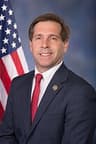 Charles Fleischmann
Republican · Tennessee