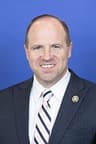
Timothy Kennedy (D-NY)
Aaron Salter, Jr., Responsible Body Armor Possession Act
A Democratic bill with 28 Democratic cosponsors · See all 28 cosponsors
Last activity — Referred to the House Committee on the Judiciary.
In committee
Introduced and handed to a committee in the chamber it started in.
The committee holds it, and most bills are never heard from again. A hearing or a committee vote would be news; silence is the usual outcome, and it kills the bill without anyone voting against it.
Its path through Congress
- Introduced
- In Committee
What this bill would do
This bill, known as the "Aaron Salter, Jr., Responsible Body Armor Possession Act," seeks to prohibit civilians from purchasing, owning, or possessing enhanced body armor. It defines enhanced body armor as gear, including helmets or shields, with ballistic resistance meeting or exceeding the performance of RF1 armor. The ban does not apply to the United States government, state agencies, or tribal law enforcement. It also exempts covered law enforcement officers, including corrections officers. Additionally, individuals who lawfully possessed such armor before the act takes effect are exempt.
Yes
- Scored +5
Does this give the federal government more power?
The bill expands federal criminal law by prohibiting certain types of body armor possession.
- Scored +5
Does this put more limits on buying or owning guns?
The bill implements new restrictions on the possession of high-performance body armor by civilians.
The opposite
- Scored -5
Would gun owners be better off under this?
The bill restricts the types of protective equipment civilian owners can possess.
- Scored -5
Does this protect the right to own guns?
The bill restricts the types of protective equipment civilians can possess, which some may view as an infringement on rights.
Who it would affect, and how
Potential Positive Impacts for People
-
Exemptions for Law Enforcement: The bill allows for continued use by the United States, state and local agencies, tribal law enforcement, and covered law enforcement officers (including corrections officers) under Section 2(a)(1) and 2(a)(2). This ensures those in official roles can still utilize necessary protective gear.
-
Protection of Existing Ownership: Under Section 2(a)(3), individuals who already lawfully possessed enhanced body armor before the date the section takes effect are not subject to the ban. This provides a safeguard for those who already own such items.
Potential Negative Impacts for People
-
Prohibition on Civilian Ownership: Section 2(a)(1) makes it unlawful for a person to purchase, own, or possess enhanced body armor, which restricts access to specific protective equipment for the general public.
-
Criminal Penalties: According to Section 2(c), anyone who knowingly violates the ban on enhanced body armor faces fines and potential imprisonment for up to 5 years.
Groups and Interests Ranking
Every group the model scored this bill for, from -10 to +10. Tap or hover a score for the reason it gave.
- Demographic And Interest Groups
- Would gun owners be better off under this? — The bill restricts the types of protective equipment civilian owners can possess.
- Governance And Ideology
- Does this give the federal government more power? — The bill expands federal criminal law by prohibiting certain types of body armor possession.
- Social Issues And Justice
- Does this put more limits on buying or owning guns? — The bill implements new restrictions on the possession of high-performance body armor by civilians. Does this protect the right to own guns? — The bill restricts the types of protective equipment civilians can possess, which some may view as an infringement on rights.
- 5/14/2026
- 1 Cosponsor added.
- 10/28/2025
- 1 Cosponsor added.
- 7/21/2025
- 1 Cosponsor added.
- 6/10/2025
- 1 Cosponsor added.
- 5/20/2025
- 1 Cosponsor added.
- 5/15/2025
- 2 Cosponsors added.
- 5/14/2025
- Referred to the House Committee on the Judiciary.
- 21 Cosponsors added.
- Introduced in House
One bill Congress.gov lists as related to this one — companions in the other chamber, earlier versions, and bills this one absorbed or was folded into.
 Gabe Amo
Democrat · Rhode Island
 Nikki Budzinski
Democrat · Illinois
 Sean Casten
Democrat · Illinois
 Troy Carter
Democrat · Louisiana
 Adriano Espaillat
Democrat · New York
 Lizzie Fletcher
Democrat · Texas
 Laura Friedman
Democrat · California
 Robert Garcia
Democrat · California
 Daniel Goldman
Democrat · New York
 Henry Johnson
Democrat · Georgia
 Ted Lieu
Democrat · California
 Greg Landsman
Democrat · Ohio
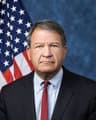 George Latimer
Democrat · New York
 Grace Meng
Democrat · New York
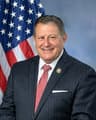 Joseph Morelle
Democrat · New York
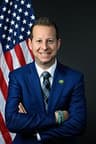 Jared Moskowitz
Democrat · Florida
 LaMonica McIver
Democrat · New Jersey
 Jerrold Nadler
Democrat · New York
 Eleanor Norton
Democrat · District of Columbia
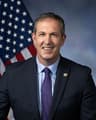 Johnny Olszewski
Democrat · Maryland
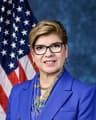 Nellie Pou
Democrat · New Jersey
 Thomas Suozzi
Democrat · New York
 Mary Gay Scanlon
Democrat · Pennsylvania
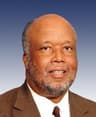 Bennie Thompson
Democrat · Mississippi
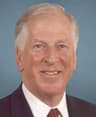 Mike Thompson
Democrat · California
 Paul Tonko
Democrat · New York
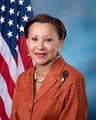 Nydia Velázquez
Democrat · New York
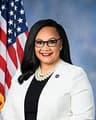 Nikema Williams
Democrat · Georgia