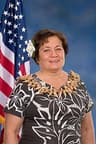
Aumua Amata Radewagen (R-AS)
To waive certain provisions in the case of an emergency declaration under the Robert T. Stafford Disaster Relief and Emergency Assistance Act.
A Republican bill with no cosponsors
Last activity — Referred to the Subcommittee on Economic Development, Public Buildings, and Emergency Management.
In committee
Introduced and handed to a committee in the chamber it started in.
The committee holds it, and most bills are never heard from again. A hearing or a committee vote would be news; silence is the usual outcome, and it kills the bill without anyone voting against it.
Its path through Congress
- Introduced
- In Committee
What this bill would do
This bill aims to waive specific provisions during an emergency declaration. It specifically addresses emergencies declared under the Robert T. Stafford Disaster Relief and Emergency Assistance Act. If an emergency is declared, the FEMA Administrator would not have to require the application of chapter 83 of title 41 of the United States Code. This waiver applies to purchases made or contracts issued by Puerto Rico, the District of Columbia, American Samoa, or the Virgin Islands of the United States.
Yes· 3 of 5
- Scored +5
Does this improve help for people hit by a disaster?
The bill streamlines procurement processes for Puerto Rico, D.C., American Samoa, and the Virgin Islands during Stafford Act emergencies.
- Scored +3
Does this make it easier to run a small business?
The waiver of procurement regulations may allow for faster contracting and easier business operations for entities in specific territories during emergencies.
- Scored +2
Does this invest in rural communities?
Streamlined procurement may assist in faster recovery of infrastructure in territories like American Samoa.
The opposite
- Scored -2
Does this make what the government does easier for the public to see?
Waiving procurement and contracting standards may reduce the transparency of government spending during emergencies.
Who it would affect, and how
Potential Positive Impacts for People
- Streamlined Procurement: The Administrator of FEMA would not be required to enforce chapter 83 of title 41 of the United States Code for certain entities (Section 1). This could benefit Puerto Rico, the District of Columbia, American Samoa, or the Virgin Islands of the United States during an emergency declaration under the Robert T. Stafford Disaster Relief and Emergency Assistance Act.
Potential Negative Impacts for People
- No negative impacts are explicitly mentioned in the provided text.
Groups and Interests Ranking
Every group the model scored this bill for, from -10 to +10. Tap or hover a score for the reason it gave.
- Environment Energy And Infrastructure
- Does this improve help for people hit by a disaster? — The bill streamlines procurement processes for Puerto Rico, D.C., American Samoa, and the Virgin Islands during Stafford Act emergencies. Does this invest in rural communities? — Streamlined procurement may assist in faster recovery of infrastructure in territories like American Samoa.
- Demographic And Interest Groups
- Would households on low incomes be better off under this? — Faster procurement of emergency services can lead to quicker relief for vulnerable populations in the affected territories. Would people in cities be better off under this? — The bill may expedite recovery efforts and essential services for residents in the District of Columbia during an emergency.
- Economy And Finance
- Does this make it easier to run a small business? — The waiver of procurement regulations may allow for faster contracting and easier business operations for entities in specific territories during emergencies.
- Governance And Ideology
- Does this make what the government does easier for the public to see? — Waiving procurement and contracting standards may reduce the transparency of government spending during emergencies.
- 1/10/2025
- Referred to the Subcommittee on Economic Development, Public Buildings, and Emergency Management.
- 1/9/2025
- Referred to the House Committee on Transportation and Infrastructure.
- Introduced in House