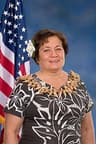
Aumua Amata Radewagen (R-AS)
Empowering Nonprofits Act
A Republican bill with no cosponsors
Last activity — Referred to the House Committee on Oversight and Government Reform.
In committee
Introduced and handed to a committee in the chamber it started in.
The committee holds it, and most bills are never heard from again. A hearing or a committee vote would be news; silence is the usual outcome, and it kills the bill without anyone voting against it.
Its path through Congress
- Introduced
- In Committee
What this bill would do
This bill, known as the "Empowering Nonprofits Act," aims to change how federal grants are handled. It requires heads of executive agencies to reduce cost-sharing requirements by 25 percent for specific nonprofit organizations. This reduction applies to grants made directly to these organizations. The mandate begins on the date the Act is enacted and lasts for five years. An eligible nonprofit is defined as one located in a State where more than 20 percent of people live below the Federal poverty line.
Yes· 3 of 5
- Scored +3
Would households on low incomes be better off under this?
The bill targets financial relief toward states with high poverty rates where low-income households are more concentrated.
- Scored +3
Is this likely to lift people out of poverty?
The bill provides financial relief to nonprofits located in states with high poverty rates, potentially enhancing their ability to serve those communities.
- Scored +2
Would Hispanic Americans be better off under this?
By targeting high-poverty states, the bill may provide indirect support to communities with higher demographic concentrations in those regions.
The opposite
- Scored -2
Does this reduce what the federal government spends?
The bill reduces the amount of cost-sharing required from nonprofits, which increases the net federal financial support provided through grants.
Who it would affect, and how
Potential Positive Impacts for People
-
Financial relief for specific nonprofits: The bill requires agency heads to reduce cost-sharing requirements by 25 percent for eligible nonprofit organizations (Section 2(a)). This provides more direct funding to organizations serving high-poverty areas.
-
Targeted support for high-poverty regions: By defining eligible organizations based on their location in States where more than 20 percent of individuals live below the Federal poverty line, the bill directs financial relief toward specific geographic areas (Section 2(b)(1)).
Potential Negative Impacts for People
- Temporary relief: The reduction of cost-sharing requirements is not permanent, as the requirement to reduce costs ends 5 years after the Act is enacted (Section 2(a)).
Groups and Interests Ranking
Every group the model scored this bill for, from -10 to +10. Tap or hover a score for the reason it gave.
- Demographic And Interest Groups
- Would households on low incomes be better off under this? — The bill targets financial relief toward states with high poverty rates where low-income households are more concentrated. Would Hispanic Americans be better off under this? — By targeting high-poverty states, the bill may provide indirect support to communities with higher demographic concentrations in those regions. Would people in rural areas be better off under this? — The bill assists nonprofits in high-poverty states, which can include rural communities facing economic challenges. Would people in cities be better off under this? — The bill assists nonprofits in high-poverty states, which often includes urban areas facing significant economic hardship.
- Social Issues And Justice
- Is this likely to lift people out of poverty? — The bill provides financial relief to nonprofits located in states with high poverty rates, potentially enhancing their ability to serve those communities.
- Economy And Finance
- Does this reduce what the federal government spends? — The bill reduces the amount of cost-sharing required from nonprofits, which increases the net federal financial support provided through grants.
- 1/9/2025
- Referred to the House Committee on Oversight and Government Reform.
- Introduced in House