
Brendan Boyle (D-PA)
Hands Off Medicaid and SNAP Act of 2025
A Democratic bill with 42 Democratic cosponsors · See all 42 cosponsors
Last activity — Referred to the Committee on Rules, and in addition to the Committee on the Budget, for a period to be subsequently determined by the Speaker, in each case for consideration of such provisions as fall within the jurisdiction of the committee concerned.
In committee
Introduced and handed to a committee in the chamber it started in.
The committee holds it, and most bills are never heard from again. A hearing or a committee vote would be news; silence is the usual outcome, and it kills the bill without anyone voting against it.
Its path through Congress
- Introduced
- In Committee
What this bill would do
The "Hands Off Medicaid and SNAP Act of 2025" amends the Congressional Budget Act of 1974. It creates a point of order to stop reconciliation measures that would cut benefits or enrollment for Medicaid. It also prevents reconciliation measures from reducing benefits or eligibility for the Supplemental Nutrition Assistance Program (SNAP). These limitations are set to expire on January 20, 2029.
Yes· 3 of 31
- Scored +10
Would households on low incomes be better off under this?
Directly protects the two most critical survival benefits (SNAP and Medicaid) for low-income families.
- Scored +8
Would people with disabilities be better off under this?
Protects Medicaid, which is the primary source of long-term care and health services for many with disabilities.
- Scored +8
Is this likely to lift people out of poverty?
Protects SNAP and Medicaid, two of the most impactful federal programs for reducing poverty and food insecurity.
The opposite· 3 of 7
- Scored -3
Does this reduce what the federal government spends?
Explicitly blocks the use of reconciliation to reduce spending on Medicaid and SNAP.
- Scored -2
Does this reduce what the federal government owes?
Prevents budget reconciliation cuts to major spending programs, which may limit deficit reduction options.
- Scored -2
Does this make the government pay for what it commits to?
Limits the government's ability to trim spending in specific entitlement programs via reconciliation.
Who it would affect, and how
Potential Positive Impacts for People
-
Protection of Medicaid: The bill prevents reconciliation bills from reducing benefits or enrollment for people in the Medicaid program (Section 2(a)(1)).
-
Protection of SNAP: The bill prevents reconciliation bills from reducing eligibility or benefits for households using the supplemental nutrition assistance program (Section 2(a)(2)).
Potential Negative Impacts for People
- Temporary Nature of Protections: The protections against these cuts expire on January 20, 2029, meaning the benefits could be targeted again after that date (Section 2(a)(i)).
Groups and Interests Ranking
Every group the model scored this bill for, from -10 to +10. Tap or hover a score for the reason it gave.
- Demographic And Interest Groups
- Would households on low incomes be better off under this? — Directly protects the two most critical survival benefits (SNAP and Medicaid) for low-income families. Would people with disabilities be better off under this? — Protects Medicaid, which is the primary source of long-term care and health services for many with disabilities. Would children be better off under this? — Protects SNAP and Medicaid benefits that are critical for child nutrition and health. Would Black Americans be better off under this? — Protects benefits that historically serve a higher percentage of this demographic due to systemic inequality. Would Hispanic Americans be better off under this? — Protects benefits that significantly support this demographic. Would Native Americans be better off under this? — Protects essential health and nutrition benefits for tribal and native populations. Would retired people be better off under this? — Protects Medicaid, essential for nursing home and long-term care for retirees. Would people in rural areas be better off under this? — Protects essential benefits in rural areas where healthcare and food access are often limited. Would people over 65 be better off under this? — Protects Medicaid, which is vital for long-term care for many seniors. Would people in middle age be better off under this? — Protects essential benefits for low-income adults. Would people in cities be better off under this? — Protects high-density populations of benefit recipients in urban centers. Would women be better off under this? — Women are disproportionately represented among SNAP and Medicaid recipients. Would people in their twenties and thirties be better off under this? — Protects health and food safety nets often used by transitioning young adults. Would Asian Americans be better off under this? — Protects essential services for low-income members of this community. Would immigrants be better off under this? — Protects benefits for legal immigrants who are eligible for these programs. Would LGBTQ people be better off under this? — Provides a safety net for LGBTQ individuals who may face higher rates of poverty. Would men be better off under this? — Protects low-income men from losing essential health and food services. Would students be better off under this? — Protects food and health security for low-income students. Would white Americans be better off under this? — Protects low-income individuals within this demographic. Would farmers be better off under this? — Protects the SNAP program, which is critical for rural and agricultural workers. Would veterans be better off under this, taking everything together? — Protects Medicaid for veterans who may not be fully covered by VA health services. Would middle-income households be better off under this? — Provides general systemic stability for social safety nets, though impact is lower than for low-income households. Would billionaires be better off under this? — Likely to prefer a smaller federal budget achieved via cuts to these programs. Would high-income households be better off under this? — May be viewed negatively by those who prefer budget cuts to reduce federal spending. Would people with substantial wealth be better off under this? — Similar to high-income households, may oppose the prevention of spending cuts. Would the very wealthiest people be better off under this? — Generally opposed to limiting budget cuts to social programs.
- Healthcare
- Does this make health care easier to get in general? — Prevents cuts to Medicaid enrollment and benefits, ensuring continued healthcare access for eligible populations. Does this put more money into Medicaid, the health coverage for people on low incomes? — Protects Medicaid enrollment and benefits from being reduced through budget reconciliation. Does this strengthen the Affordable Care Act? — Indirectly supports ACA goals by protecting Medicaid, a core component of the ACA's healthcare expansion. Does this make mental health care easier to get? — Maintaining Medicaid benefits helps preserve access to mental health services for low-income individuals.
- Social Issues And Justice
- Is this likely to lift people out of poverty? — Protects SNAP and Medicaid, two of the most impactful federal programs for reducing poverty and food insecurity. Does this expand the rights of people with disabilities? — Protects Medicaid benefits which are critical for individuals with disabilities. Does this narrow racial gaps in how people are treated? — Protects essential benefits that disproportionately serve marginalized communities of color. Is this likely to reduce homelessness? — Maintaining SNAP and Medicaid prevents the total loss of safety nets that can lead to homelessness.
- Economy And Finance
- Does this reduce what the federal government spends? — Explicitly blocks the use of reconciliation to reduce spending on Medicaid and SNAP. Does this make the government pay for what it commits to? — Limits the government's ability to trim spending in specific entitlement programs via reconciliation. Does this reduce what the federal government owes? — Prevents budget reconciliation cuts to major spending programs, which may limit deficit reduction options.
- Governance And Ideology
- Does this give the federal government more power? — Strengthens federal control over the protection of these programs by limiting reconciliation options.
- 8/15/2025
- 1 Cosponsor added.
- 6/12/2025
- 1 Cosponsor added.
- 6/3/2025
- 1 Cosponsor added.
- 5/19/2025
- 1 Cosponsor added.
- 5/15/2025
- 1 Cosponsor added.
- 5/14/2025
- 1 Cosponsor added.
- 5/13/2025
- 1 Cosponsor added.
- 5/8/2025
- 1 Cosponsor added.
- 5/7/2025
- 12 Cosponsors added.
- 5/6/2025
- 8 Cosponsors added.
- 4/29/2025
- 2 Cosponsors added.
- 4/28/2025
- 2 Cosponsors added.
- 4/17/2025
- 1 Cosponsor added.
- 4/14/2025
- 2 Cosponsors added.
- 4/10/2025
- 2 Cosponsors added.
- 4/9/2025
- Referred to the Committee on Rules, and in addition to the Committee on the Budget, for a period to be subsequently determined by the Speaker, in each case for consideration of such provisions as fall within the jurisdiction of the committee concerned.
- 5 Cosponsors added.
- Introduced in House
One bill Congress.gov lists as related to this one — companions in the other chamber, earlier versions, and bills this one absorbed or was folded into.
 Gabe Amo
Democrat · Rhode Island
 Wesley Bell
Democrat · Missouri
 Jim Costa
Democrat · California
 Joe Courtney
Democrat · Connecticut
 Judy Chu
Democrat · California
 Joaquin Castro
Democrat · Texas
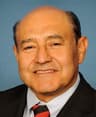 J. Correa
Democrat · California
 Angie Craig
Democrat · Minnesota
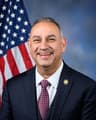 Gilbert Cisneros
Democrat · California
 Greg Casar
Democrat · Texas
 Mark DeSaulnier
Democrat · California
 Maxine Dexter
Democrat · Oregon
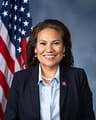 Veronica Escobar
Democrat · Texas
 Shomari Figures
Democrat · Alabama
 Maggie Goodlander
Democrat · New Hampshire
 Steven Horsford
Democrat · Nevada
 Jared Huffman
Democrat · California
 Henry Johnson
Democrat · Georgia
 Pramila Jayapal
Democrat · Washington
 Julie Johnson
Democrat · Texas
 Rick Larsen
Democrat · Washington
 Greg Landsman
Democrat · Ohio
 James McGovern
Democrat · Massachusetts
 Gregory Meeks
Democrat · New York
 Betty McCollum
Democrat · Minnesota
 Joseph Morelle
Democrat · New York
 Robert Menendez
Democrat · New Jersey
 Jennifer McClellan
Democrat · Virginia
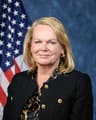 April McClain Delaney
Democrat · Maryland
 Johnny Olszewski
Democrat · Maryland
 Frank Pallone
Democrat · New Jersey
 Mark Pocan
Democrat · Wisconsin
 Delia Ramirez
Democrat · Illinois
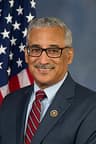 Robert Scott
Democrat · Virginia
 Adam Smith
Democrat · Washington
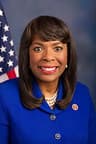 Terri Sewell
Democrat · Alabama
 Bradley Schneider
Democrat · Illinois
 Emilia Sykes
Democrat · Ohio
 Lateefah Simon
Democrat · California
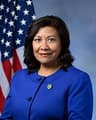 Norma Torres
Democrat · California
 Ritchie Torres
Democrat · New York
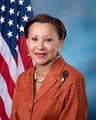 Nydia Velázquez
Democrat · New York