
A Democratic bill with 1 Democratic cosponsor · See the cosponsor
Last activity — Referred to the House Committee on Energy and Commerce.
In committee
Introduced and handed to a committee in the chamber it started in.
The committee holds it, and most bills are never heard from again. A hearing or a committee vote would be news; silence is the usual outcome, and it kills the bill without anyone voting against it.
Its path through Congress
- Introduced
- In Committee
What this bill would do
The Stop Disaster Price Gouging Act aims to prohibit price gouging during a declared major disaster or emergency. It limits price increases for essential consumer goods, services, hotel lodging, and residential rentals to 10 percent for a specific duration. It also restricts prices from exceeding 50 percent of the provider's cost. The bill grants enforcement powers to the Federal Trade Commission and allows State attorneys general to take legal action. Additionally, it provides a private right of action for injured individuals to seek damages.
Yes· 3 of 7
- Scored +7
Does this give people more protection from unfair business practices?
The bill provides strong protections against price gouging of essential goods and services during emergencies.
- Scored +6
Would households on low incomes be better off under this?
The bill protects low-income households from extreme price hikes on essential needs during disasters.
- Scored +6
Does this improve help for people hit by a disaster?
The bill creates a fund from civil penalties to assist communities affected by major disasters.
The opposite
- Scored -3
Would business owners be better off under this?
The bill imposes price restrictions that may limit profit margins during critical periods.
Who it would affect, and how
Potential Positive Impacts for People
-
Price Stability for Essentials: The bill prevents prices for essential items like food, water, medical supplies, and fuel from being increased by more than 10 percent during a disaster (Section 2(a)(1)(A)).
-
Protection Against Extreme Markups: It prevents providers from charging more than 50 percent above their actual costs for essential goods and services (Section 2(a)(1)(B)).
-
Legal Recourse for Victims: Injured individuals can sue to stop violations and recover actual monetary losses (Section 2(d)(1)).
-
Support for Recovery via Penalties: Civil penalties collected by the Federal Trade Commission are deposited into a fund to help communities affected by the disaster (Section 2(e)(4)).
-
State-Level Protection: State attorneys general can bring civil actions to enforce compliance or seek compensation for residents (Section 2(c)(1)).
Potential Negative Impacts for People
-
Potential Burdens on Providers for Cost Increases: Providers may face restrictions even when their costs rise, unless the increase is directly attributable to additional costs from suppliers or labor and remains within a specific markup limit (Section 2(a)(2)(A)).
-
Restrictions on Rental Increases: Landlords may be prevented from increasing rent to cover significant repairs or additions unless the increase was contractually agreed to beforehand (Section 2(a)(2)(C)).
-
Limitations on Legal Actions: A State attorney general cannot bring an action if a Federal action is already pending against the same defendant (Section 2(c)(3)(B)).
Groups and Interests Ranking
Every group the model scored this bill for, from -10 to +10. Tap or hover a score for the reason it gave.
- Demographic And Interest Groups
- Would households on low incomes be better off under this? — The bill protects low-income households from extreme price hikes on essential needs during disasters. Would middle-income households be better off under this? — The bill provides price stability for essential goods and services for middle-income families. Would business owners be better off under this? — The bill imposes price restrictions that may limit profit margins during critical periods.
- Economy And Finance
- Does this give people more protection from unfair business practices? — The bill provides strong protections against price gouging of essential goods and services during emergencies.
- Governance And Ideology
- Does this give the federal government more power? — The bill expands the FTC's authority to enforce price gouging prohibitions. Does this leave more decisions to the states? — The bill grants State attorneys general the power to bring civil actions for their residents.
- Environment Energy And Infrastructure
- Does this improve help for people hit by a disaster? — The bill creates a fund from civil penalties to assist communities affected by major disasters.
- Social Issues And Justice
- Does this make housing cost less? — The bill helps stabilize residential rental costs during declared disasters.
- 3/27/2025
- Referred to the House Committee on Energy and Commerce.
- 1 Cosponsor added.
- Introduced in House
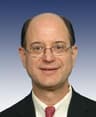 Brad Sherman
Democrat · California