
A Democratic bill with 5 Republican cosponsors · See all 7 cosponsors
Last activity — Referred to the House Committee on Energy and Commerce.
In committee
Introduced and handed to a committee in the chamber it started in.
The committee holds it, and most bills are never heard from again. A hearing or a committee vote would be news; silence is the usual outcome, and it kills the bill without anyone voting against it.
Its path through Congress
- Introduced
- In Committee
What this bill would do
This bill, known as the "Medicare and Medicaid Fraud Prevention Act," aims to amend title XIX of the Social Security Act. It seeks to implement new Medicaid provider screening requirements. Specifically, it requires states to conduct checks of the Death Master File. These checks are intended to determine if a provider or supplier is deceased. This process must occur during enrollment or revalidation and at least quarterly while the provider is enrolled.
Yes· 3 of 4
- Scored +1
Does this reduce what the federal government spends?
By preventing fraud from deceased providers, the bill helps ensure Medicaid funds are used appropriately.
- Scored +1
Does this make the government pay for what it commits to?
The mandate to verify provider status helps protect the integrity of public spending.
- Scored +1
Does this make what the government does easier for the public to see?
Strengthening provider screening enhances the transparency and integrity of Medicaid operations.
The opposite
- Scored -1
Would business owners be better off under this?
Healthcare providers may face increased administrative burdens and costs due to quarterly checks.
Who it would affect, and how
Potential Positive Impacts for People
- Enhanced Fraud Prevention: The bill requires states to conduct checks of the Death Master File to determine if a provider or supplier is deceased (Section 2). This could help prevent fraud within the Medicaid program.
Potential Negative Impacts for People
- Increased Administrative Requirements: Starting January 1, 2027, states must conduct checks of the Death Master File during enrollment or revalidation, and not less frequently than quarterly while a provider or supplier is enrolled (Section 2). This creates a recurring requirement for the state to verify provider status.
Groups and Interests Ranking
Every group the model scored this bill for, from -10 to +10. Tap or hover a score for the reason it gave.
- Economy And Finance
- Does this make the government pay for what it commits to? — The mandate to verify provider status helps protect the integrity of public spending. Does this reduce what the federal government spends? — By preventing fraud from deceased providers, the bill helps ensure Medicaid funds are used appropriately.
- Governance And Ideology
- Does this make what the government does easier for the public to see? — Strengthening provider screening enhances the transparency and integrity of Medicaid operations.
- Demographic And Interest Groups
- Would households on low incomes be better off under this? — Preventing fraud helps ensure that Medicaid resources remain available for those in need. Would business owners be better off under this? — Healthcare providers may face increased administrative burdens and costs due to quarterly checks.
- 2/17/2026
- 1 Cosponsor added.
- 7/15/2025
- 2 Cosponsors added.
- 3/24/2025
- Referred to the House Committee on Energy and Commerce.
- 4 Cosponsors added.
- Introduced in House
One bill Congress.gov lists as related to this one — companions in the other chamber, earlier versions, and bills this one absorbed or was folded into.
 Henry Cuellar
Democrat · Texas
 Gabe Evans
Republican · Colorado
 Brian Fitzpatrick
Republican · Pennsylvania
 Mike Kennedy
Republican · Utah
 Nicole Malliotakis
Republican · New York
 Thomas Suozzi
Democrat · New York
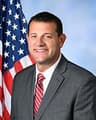 David Valadao
Republican · California