
A Republican bill with 14 Democratic cosponsors · See all 45 cosponsors
Last activity — Referred to the House Committee on Ways and Means.
In committee
Introduced and handed to a committee in the chamber it started in.
The committee holds it, and most bills are never heard from again. A hearing or a committee vote would be news; silence is the usual outcome, and it kills the bill without anyone voting against it.
Its path through Congress
- Introduced
- In Committee
What this bill would do
This bill is called the Motorsports Fairness and Permanency Act of 2025. It was introduced in the House of Representatives on March 18, 2025. The bill aims to amend the Internal Revenue Code of 1986. Specifically, it makes the 7-year recovery period for motorsports entertainment complexes permanent.
Yes· 3 of 11
- Scored +5
Would business owners be better off under this?
Directly benefits owners of motorsports entertainment complexes via permanent accelerated depreciation.
- Scored +3
Would people with substantial wealth be better off under this?
Provides a permanent tax advantage for significant capital investments in specific entertainment real estate.
- Scored +3
Would the very wealthiest people be better off under this?
Provides a permanent tax advantage for high-value investments in motorsports complexes.
The opposite
- Scored -2
Does this raise the taxes companies pay?
Making the 7-year recovery period permanent reduces the taxable income of corporations owning these complexes via accelerated depreciation.
- Scored -1
Does this reduce what the federal government owes?
Accelerated depreciation reduces government tax revenue, potentially increasing the deficit.
- Scored -1
Does this make the government pay for what it commits to?
Makes a tax expenditure permanent, reducing long-term federal revenue.
Who it would affect, and how
Potential Positive Impacts for People
- Permanency for Motorsports Complexes: Section 2 of the bill amends the Internal Revenue Code of 1986 by striking subparagraph (D) of section 168(i)(15) to make the 7-year recovery period for motorsports entertainment complexes permanent. This could be seen as positive because it provides lasting tax certainty for these specific entertainment complexes.
Potential Negative Impacts for People
- No Negative Impacts Found: Based strictly on the provided text, there are no specific sections or provisions identified that outline negative consequences or burdens for individuals or groups of people in the United States.
Groups and Interests Ranking
Every group the model scored this bill for, from -10 to +10. Tap or hover a score for the reason it gave.
- Demographic And Interest Groups
- Would business owners be better off under this? — Directly benefits owners of motorsports entertainment complexes via permanent accelerated depreciation. Would billionaires be better off under this? — Billionaires owning sports and entertainment complexes benefit from the permanent recovery period. Would people with substantial wealth be better off under this? — Provides a permanent tax advantage for significant capital investments in specific entertainment real estate. Would the very wealthiest people be better off under this? — Provides a permanent tax advantage for high-value investments in motorsports complexes. Would high-income households be better off under this? — High-income individuals who own or invest in motorsports complexes benefit from the tax incentive. Would people in rural areas be better off under this? — Likely to support local economies in rural areas where motorsports complexes are typically located.
- Economy And Finance
- Does this make it easier to run a small business? — Benefits owners of specialized entertainment venues through permanent tax advantages. Is this likely to create jobs? — Permanent tax incentives for entertainment complexes may encourage investment and construction of new facilities, creating jobs. Does this cut taxes for small businesses? — Provides tax relief for owners of motorsports complexes through a permanent accelerated depreciation schedule. Is this likely to grow the economy? — Encourages capital investment in the motorsports and entertainment sector. Does this raise the taxes companies pay? — Making the 7-year recovery period permanent reduces the taxable income of corporations owning these complexes via accelerated depreciation. Does this make the government pay for what it commits to? — Makes a tax expenditure permanent, reducing long-term federal revenue. Does this reduce what the federal government owes? — Accelerated depreciation reduces government tax revenue, potentially increasing the deficit.
- Environment Energy And Infrastructure
- Does this invest in rural communities? — Motorsports complexes are often located in rural areas, and permanent tax incentives may spur regional investment.
- 10/13/2026
- 1 Cosponsor added.
- 9/28/2026
- 2 Cosponsors added.
- 9/17/2026
- 1 Cosponsor added.
- 9/14/2026
- 3 Cosponsors added.
- 7/22/2026
- 1 Cosponsor added.
- 6/25/2026
- 1 Cosponsor added.
- 6/9/2026
- 1 Cosponsor added.
- 6/2/2026
- 1 Cosponsor added.
- 5/29/2026
- 1 Cosponsor added.
- 5/14/2026
- 1 Cosponsor added.
- 4/30/2026
- 2 Cosponsors added.
- 4/27/2026
- 1 Cosponsor added.
- 4/9/2026
- 1 Cosponsor added.
- 2/23/2026
- 1 Cosponsor added.
- 1/30/2026
- 2 Cosponsors added.
- 1/16/2026
- 1 Cosponsor added.
- 1/15/2026
- 1 Cosponsor added.
- 1/14/2026
- 2 Cosponsors added.
- 1/8/2026
- 1 Cosponsor added.
- 1/7/2026
- 1 Cosponsor added.
- 12/17/2025
- 1 Cosponsor added.
- 11/20/2025
- 1 Cosponsor added.
- 11/17/2025
- 1 Cosponsor added.
- 11/4/2025
- 1 Cosponsor added.
- 10/17/2025
- 1 Cosponsor added.
- 9/23/2025
- 1 Cosponsor added.
- 9/16/2025
- 1 Cosponsor added.
- 8/15/2025
- 1 Cosponsor added.
- 8/12/2025
- 1 Cosponsor added.
- 7/25/2025
- 1 Cosponsor added.
- 7/15/2025
- 1 Cosponsor added.
- 7/14/2025
- 1 Cosponsor added.
- 4/17/2025
- 2 Cosponsors added.
- 3/18/2025
- Referred to the House Committee on Ways and Means.
- 5 Cosponsors added.
- Introduced in House
One bill Congress.gov lists as related to this one — companions in the other chamber, earlier versions, and bills this one absorbed or was folded into.
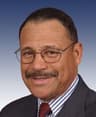 Sanford Bishop
Democrat · Georgia
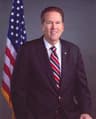 Vern Buchanan
Republican · Florida
 Aaron Bean
Republican · Florida
 André Carson
Democrat · Indiana
 Byron Donalds
Republican · Florida
 Donald Davis
Democrat · North Carolina
 Randy Feenstra
Republican · Iowa
 Russell Fry
Republican · South Carolina
 Randy Fine
Republican · Florida
 H. Griffith
Republican · Virginia
 Jimmy Gomez
Democrat · California
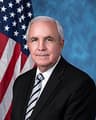 Carlos Gimenez
Republican · Florida
 Maggie Goodlander
Democrat · New Hampshire
 Steven Horsford
Democrat · Nevada
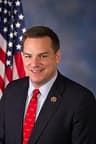 Richard Hudson
Republican · North Carolina
 Diana Harshbarger
Republican · Tennessee
 Ashley Hinson
Republican · Iowa
 Mike Haridopolos
Republican · Florida
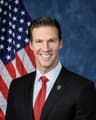 Pat Harrigan
Republican · North Carolina
 Mark Harris
Republican · North Carolina
 Brian Jack
Republican · Georgia
 Brad Knott
Republican · North Carolina
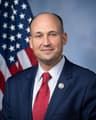 Nicholas Langworthy
Republican · New York
 Carol Miller
Republican · West Virginia
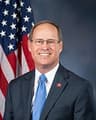 Gregory Murphy
Republican · North Carolina
 Mariannette Miller-Meeks
Republican · Iowa
 Jennifer McClellan
Democrat · Virginia
 Tim Moore
Republican · North Carolina
 Sarah McBride
Democrat · Delaware
 John McGuire
Republican · Virginia
 Addison McDowell
Republican · North Carolina
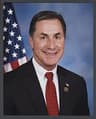 Gary Palmer
Republican · Alabama
 Chris Pappas
Democrat · New Hampshire
 Mike Rogers
Republican · Alabama
 David Rouzer
Republican · North Carolina
 David Schweikert
Republican · Arizona
 Terri Sewell
Democrat · Alabama
 Darren Soto
Democrat · Florida
 Jefferson Shreve
Republican · Indiana
 Mike Thompson
Democrat · California
 Norma Torres
Democrat · California
 Derrick Van Orden
Republican · Wisconsin
 Debbie Wasserman Schultz
Democrat · Florida
 Tim Walberg
Republican · Michigan
 Rudy Yakym
Republican · Indiana