
A Democratic bill with 7 Republican cosponsors · See all 29 cosponsors
Last activity — Referred to the Committee on Energy and Commerce, and in addition to the Committee on Education and Workforce, for a period to be subsequently determined by the Speaker, in each case for consideration of such provisions as fall within the jurisdiction of the committee concerned.
In committee
Introduced and handed to a committee in the chamber it started in.
The committee holds it, and most bills are never heard from again. A hearing or a committee vote would be news; silence is the usual outcome, and it kills the bill without anyone voting against it.
Its path through Congress
- Introduced
- In Committee
What this bill would do
The PARA-EMT Act of 2025 aims to preserve access to emergency medical services by addressing a workforce shortage. It establishes a pilot program to award grants to emergency medical services agencies for recruiting and training personnel. These grants can fund items like licensure, apprenticeship programs, and wellness initiatives. The bill also creates a program to assist veterans in transitioning their military medical training into civilian certifications. Additionally, it mandates a study on the projected shortage of EMTs and paramedics through 2034.
Yes· 3 of 30
- Scored +9
Would veterans be better off under this, taking everything together?
Directly funds the transition of military medical training to civilian EMS certifications.
- Scored +8
Would people in rural areas be better off under this?
Specifically prioritizes and mandates funding for rural EMS agencies.
- Scored +8
Does this make health care easier to get in general?
Aims to fix the critical shortage of paramedics and EMTs to improve emergency service access.
The opposite
- Scored -2
Does this reduce what the federal government owes?
Authorizes new federal spending of $70 million annually through 2030.
- Scored -2
Does this reduce what the federal government spends?
Increases government spending via new grant programs.
Who it would affect, and how
Potential Positive Impacts for People
-
Improved Access to Care: The grant program is designed to support the recruitment and training of personnel to improve access to and enhance the quality of emergency medical services (Section 3(a)).
-
Support for Training and Certification: Funds can be used to train personnel to obtain licenses and certifications, fund specific training to meet requirements, and implement apprenticeship programs (Section 3(c)).
-
Mental Health and Wellness Support: Grants may establish wellness and fitness programs, including those dedicated to the prevention of job-related mental health issues (Section 3(c)(6)).
-
Specialized Training for Specific Needs: Funds can be used to train personnel to care for people with mental and substance use disorders in emergency situations (Section 3(c)(7)).
-
Assistance for Veterans: A program will provide demonstration grants to States to cover transition costs for veterans moving from military to civilian medical roles (Section s 4(a)).
-
Focus on Underrepresented Groups: The Secretary is directed to prioritize agencies that emphasize recruiting youth, including those from rural or low-income backgrounds (Section 3(d)(1)).
-
Support for Rural Communities: The bill ensures that at least 20 percent of grants are made to agencies located in rural areas (Section 3(e)).
Potential Negative Impacts for People
- Reporting Burdens on Agencies: Eligible emergency medical services agencies receiving a grant are required to periodically submit reports to the Secretary evaluating their activities (Section 3(g)(1)).
Groups and Interests Ranking
Every group the model scored this bill for, from -10 to +10. Tap or hover a score for the reason it gave.
- Demographic And Interest Groups
- Would veterans be better off under this, taking everything together? — Directly funds the transition of military medical training to civilian EMS certifications. Would people in rural areas be better off under this? — Specifically prioritizes and mandates funding for rural EMS agencies. Would students be better off under this? — Provides training and recruitment paths for high school students. Would people in their twenties and thirties be better off under this? — Prioritizes recruitment and training of high school students and youth. Would households on low incomes be better off under this? — Prioritizes training for youth from low-income or disadvantaged backgrounds. Would business owners be better off under this? — Provides grants to small EMS agency owners/operators. Would farmers be better off under this? — Improves emergency medical service availability in rural areas. Would high-income households be better off under this? — Improves access to critical emergency medical services. Would people in middle age be better off under this? — Increases availability of emergency services for the general population. Would middle-income households be better off under this? — Improves access to critical emergency medical services. Would retired people be better off under this? — Improves availability of emergency medical services. Would people over 65 be better off under this? — Increases availability of emergency services for the general population. Would people in cities be better off under this? — Improves general access to emergency medical services. Would Black Americans be better off under this? — Prioritizes youth from disadvantaged backgrounds for training. Would Hispanic Americans be better off under this? — Prioritizes youth from disadvantaged backgrounds for training. Would Native Americans be better off under this? — Prioritizes youth from disadvantaged backgrounds and rural areas.
- Healthcare
- Does this make health care easier to get in general? — Aims to fix the critical shortage of paramedics and EMTs to improve emergency service access. Does this make mental health care easier to get? — Funds training for personnel to care for people with mental and substance use disorders. Does this do more about addiction and overdose deaths? — Provides training for EMS personnel to handle substance use disorders during emergencies. Does this make the country readier for the next outbreak? — Addresses workforce shortages exacerbated by the COVID-19 pandemic.
- Economy And Finance
- Is this likely to create jobs? — Provides grants specifically for the recruitment and training of new EMTs and paramedics. Does this make it easier to run a small business? — Prioritizes grants for small EMS agencies. Is this likely to grow the economy? — Invests in workforce development and healthcare infrastructure. Does this reduce what the federal government spends? — Increases government spending via new grant programs. Does this reduce what the federal government owes? — Authorizes new federal spending of $70 million annually through 2030.
- Environment Energy And Infrastructure
- Does this invest in rural communities? — Mandates that 20% of grants go to rural agencies and prioritizes rural populations. Does this improve help for people hit by a disaster? — Increases the number of trained emergency medical personnel available for disasters.
- National Security And Foreign Policy
- Does this increase the pay, pensions or support veterans receive? — Provides grants to cover certification and licensure costs for veterans transitioning to civilian EMS.
- Social Issues And Justice
- Is this likely to lift people out of poverty? — Creates employment and training opportunities for low-income and disadvantaged youth. Does this narrow racial gaps in how people are treated? — Prioritizes recruitment of youth from disadvantaged backgrounds.
- Governance And Ideology
- Does this make what the government does easier for the public to see? — Requires reports on the success of the program to be made publicly available. Does this give the federal government more power? — Establishes a new federal grant program overseen by the Secretary of HHS.
- 10/5/2026
- 1 Cosponsor added.
- 9/14/2026
- 1 Cosponsor added.
- 9/2/2026
- 1 Cosponsor added.
- 6/2/2026
- 1 Cosponsor added.
- 5/19/2026
- 1 Cosponsor added.
- 5/11/2026
- 1 Cosponsor added.
- 4/27/2026
- 1 Cosponsor added.
- 4/9/2026
- 1 Cosponsor added.
- 3/27/2026
- 1 Cosponsor added.
- 2/24/2026
- 1 Cosponsor added.
- 2/23/2026
- 1 Cosponsor added.
- 12/1/2025
- 1 Cosponsor added.
- 11/10/2025
- 2 Cosponsors added.
- 10/17/2025
- 1 Cosponsor added.
- 9/17/2025
- 1 Cosponsor added.
- 9/11/2025
- 1 Cosponsor added.
- 9/10/2025
- 1 Cosponsor added.
- 6/17/2025
- 1 Cosponsor added.
- 6/3/2025
- 1 Cosponsor added.
- 5/13/2025
- 1 Cosponsor added.
- 5/5/2025
- 1 Cosponsor added.
- 4/10/2025
- 1 Cosponsor added.
- 3/26/2025
- 1 Cosponsor added.
- 3/18/2025
- Referred to the Committee on Energy and Commerce, and in addition to the Committee on Education and Workforce, for a period to be subsequently determined by the Speaker, in each case for consideration of such provisions as fall within the jurisdiction of the committee concerned.
- 5 Cosponsors added.
- Introduced in House
 Suzanne Bonamici
Democrat · Oregon
 Janelle Bynum
Democrat · Oregon
 Donald Davis
Democrat · North Carolina
 Christopher Deluzio
Democrat · Pennsylvania
 Madeleine Dean
Democrat · Pennsylvania
 Maxine Dexter
Democrat · Oregon
 Randy Feenstra
Republican · Iowa
 Brian Fitzpatrick
Republican · Pennsylvania
 Brad Finstad
Republican · Minnesota
 Vicente Gonzalez
Democrat · Texas
 Josh Gottheimer
Democrat · New Jersey
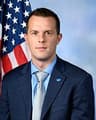 Jared Golden
Democrat · Maine
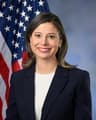 Maggie Goodlander
Democrat · New Hampshire
 Josh Harder
Democrat · California
 Jonathan Jackson
Democrat · Illinois
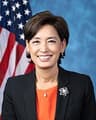 Young Kim
Republican · California
 Jennifer Kiggans
Republican · Virginia
 Michael Lawler
Republican · New York
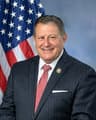 Joseph Morelle
Democrat · New York
 John Mannion
Democrat · New York
 Analilia Mejia
Democrat · New Jersey
 Emily Randall
Democrat · Washington
 Marilyn Strickland
Democrat · Washington
 Thomas Suozzi
Democrat · New York
 Melanie Stansbury
Democrat · New Mexico
 Andrea Salinas
Democrat · Oregon
 Derrick Van Orden
Republican · Wisconsin
 Eugene Vindman
Democrat · Virginia
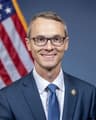 James Walkinshaw
Democrat · Virginia