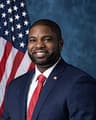
A Republican bill with 1 Democratic cosponsor · See all 3 cosponsors
Last activity — Referred to the Subcommittee on Aviation.
In committee
Introduced and handed to a committee in the chamber it started in.
The committee holds it, and most bills are never heard from again. A hearing or a committee vote would be news; silence is the usual outcome, and it kills the bill without anyone voting against it.
Its path through Congress
- Introduced
- In Committee
What this bill would do
This bill, known as the "Pre-Pilot Pathway Act," directs the Secretary of Transportation to create an apprenticeship program for students at flight training providers. The program aims to build a pipeline of qualified individuals interested in becoming commercial pilots. Flight training providers, specifically those certified under part 141 of title 14, Code of Federal Regulations, are the target for this initiative. Participating providers can select a specific number of apprentices each academic year. The Act also includes provisions to incentivize retired or retiring pilots to serve as instructors or mentors. Finally, the Secretary is required to report on the program's progress and evaluate its effectiveness regarding pilot shortages.
Yes· 3 of 12
- Scored +5
Would people in their twenties and thirties be better off under this?
The program creates new career opportunities for aspiring pilots.
- Scored +5
Would students be better off under this?
The act creates formal apprenticeship pathways for students at flight training providers.
- Scored +5
Is this likely to create jobs?
The bill establishes a pipeline for individuals to enter the commercial pilot profession.
The opposite
No question was scored the opposite.
Who it would affect, and how
Potential Positive Impacts for People
-
Establishing a Pilot Pipeline: The program aims to create a pipeline of qualified and interested individuals to become commercial pilots (Section 2(b)).
-
Mentorship Opportunities: The Secretary is tasked with developing methods to incentivize retired military pilots, retiring airline pilots, and program graduates to serve as instructors, mentors, or program advisors (Section 2(g)).
-
Instructor Pathways: The bill seeks to develop pathway programs for pilots to gain initial or concurrent qualifications as certified flight instructors (Section 2(g)).
-
Program Oversight: The Secretary must conduct an annual review to evaluate the program's effectiveness, specifically looking at how it addresses pilot shortages (Section 2(h)(2)).
Potential Negative Impacts for People
-
Additional Requirements: Flight training providers are permitted to impose additional requirements on apprentices, such as modifying the terms of service of the apprenticeship program (Section 2(d)(2)).
-
Limited Selection: Each participating flight training provider may only select up to 8 applicants, or more if the Secretary deems it appropriate based on the provider's size and type (Section 2(c)).
Groups and Interests Ranking
Every group the model scored this bill for, from -10 to +10. Tap or hover a score for the reason it gave.
- Demographic And Interest Groups
- Would students be better off under this? — The act creates formal apprenticeship pathways for students at flight training providers. Would people in their twenties and thirties be better off under this? — The program creates new career opportunities for aspiring pilots. Would business owners be better off under this? — Flight training providers may benefit from a more reliable talent pipeline. Would retired people be better off under this? — The bill offers pathways for retired pilots to continue their involvement as instructors. Would people over 65 be better off under this? — The bill incentivizes retired pilots to serve as mentors or instructors.
- Economy And Finance
- Is this likely to create jobs? — The bill establishes a pipeline for individuals to enter the commercial pilot profession. Does this make it easier to run a small business? — Flight training providers may benefit from a steady pipeline of new apprentices. Is this likely to grow the economy? — By addressing pilot shortages, the bill helps stabilize the aviation industry's workforce.
- Governance And Ideology
- Does this give the federal government more power? — The bill empowers the Secretary of Transportation to establish and regulate the program. Does this make what the government does easier for the public to see? — The bill requires annual reporting to Congress on program progress.
- National Security And Foreign Policy
- Does this increase the pay, pensions or support veterans receive? — The bill incentivizes retired military pilots to serve as instructors and mentors.
- Education And Technology
- Does this make college cost less? — The apprenticeship model provides a structured path for career development in aviation.
- 3/24/2025
- 1 Cosponsor added.
- 3/18/2025
- Referred to the House Committee on Transportation and Infrastructure.
- Referred to the Subcommittee on Aviation.
- 2 Cosponsors added.
- Introduced in House
 Donald Davis
Democrat · North Carolina
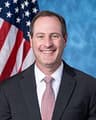 Tracey Mann
Republican · Kansas
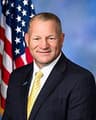 Troy Nehls
Republican · Texas