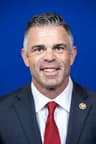
A Republican bill with 2 Democratic cosponsors · See all 19 cosponsors
Last activity — Referred to the Subcommittee on Highways and Transit.
In committee
Introduced and handed to a committee in the chamber it started in.
The committee holds it, and most bills are never heard from again. A hearing or a committee vote would be news; silence is the usual outcome, and it kills the bill without anyone voting against it.
Its path through Congress
- Introduced
- In Committee
What this bill would do
This bill, known as the Safe Routes Act of 2025, seeks to amend title 23 of the United States Code. It focuses on changing vehicle weight limitations for specific logging vehicles. Under this act, the Secretary would waive weight limits for "covered logging vehicles." These vehicles must be transporting raw or unfinished forest products like logs, pulpwood, biomass, or wood chips. The waiver applies to vehicles traveling no more than 150 air miles on the Interstate from their origin to a storage or processing facility. Additionally, the vehicles must meet specific State legal weight tolerances and configurations.
Yes· 3 of 12
- Scored +4
Would business owners be better off under this?
The bill directly benefits business owners in the logging and forest product industry by reducing transport restrictions.
- Scored +4
Would people in rural areas be better off under this?
Rural communities often depend on the logging industry for economic viability.
- Scored +3
Is this likely to create jobs?
The reduction in transport costs for logging may support job stability and growth in the forestry sector.
The opposite
- Scored -2
Does this better protect air, water and wildlife?
Increasing heavy vehicle traffic could potentially have a negative impact on environmental preservation in forested areas.
- Scored -1
Does this repair or build roads and bridges?
Higher weight limits on logging vehicles may increase wear and tear on roads and bridges.
Who it would affect, and how
Potential Positive Impacts for People
-
Weight Limit Waivers for Logging Vehicles: The Secretary would waive vehicle weight limits for covered logging vehicles, which are those transporting raw or unfinished forest products such as logs, pulpwood, biomass, or wood chips (Section 2, subsection z, 1-2A).
-
Streamlined Transport for Short Distances: The provision allows for weight limit waivers for vehicles traveling a distance of 150 air miles or less on the Interstate from their origin to a storage or processing facility (Section 2, subsection z, 2B).
Potential Negative Impacts for People
- No Negative Impacts Identified: The provided text does not contain any information regarding potential negative consequences or burdens for individuals or groups of people.
Groups and Interests Ranking
Every group the model scored this bill for, from -10 to +10. Tap or hover a score for the reason it gave.
- Demographic And Interest Groups
- Would business owners be better off under this? — The bill directly benefits business owners in the logging and forest product industry by reducing transport restrictions. Would people in rural areas be better off under this? — Rural communities often depend on the logging industry for economic viability. Would farmers be better off under this? — While primarily for logging, the provision for biomass may benefit some agricultural integration. Would union members be better off under this? — The industry support may bolster job security for forestry workers.
- Economy And Finance
- Does this make it easier to run a small business? — Logging and wood processing businesses benefit from lowered regulatory burdens on heavy transport. Is this likely to create jobs? — The reduction in transport costs for logging may support job stability and growth in the forestry sector. Is this likely to grow the economy? — By easing transportation constraints, the bill facilitates more efficient movement of forest products.
- Governance And Ideology
- Does this make it easier to do business across state lines? — The waiver facilitates the movement of goods across state-specific weight constraints within a set distance. Does this give the federal government more power? — The bill empowers the Secretary to waive existing federal weight limits. Does this leave more decisions to the states? — The bill requires vehicles to still meet State-specific weight configurations.
- Environment Energy And Infrastructure
- Does this invest in rural communities? — The bill supports the local logging industry, which is often a cornerstone of rural economies. Does this put more money into wind, solar and other renewable power? — The bill includes provisions for transporting biomass, which is a renewable energy source. Does this better protect air, water and wildlife? — Increasing heavy vehicle traffic could potentially have a negative impact on environmental preservation in forested areas. Does this repair or build roads and bridges? — Higher weight limits on logging vehicles may increase wear and tear on roads and bridges.
- 8/31/2026
- 1 Cosponsor added.
- 4/27/2026
- 1 Cosponsor added.
- 3/5/2026
- 2 Cosponsors added.
- 1/13/2026
- 1 Cosponsor added.
- 10/28/2025
- 1 Cosponsor added.
- 8/19/2025
- 1 Cosponsor added.
- 7/23/2025
- 1 Cosponsor added.
- 6/23/2025
- 1 Cosponsor added.
- 4/10/2025
- 1 Cosponsor added.
- 3/25/2025
- 2 Cosponsors added.
- 3/24/2025
- 3 Cosponsors added.
- 3/14/2025
- Referred to the House Committee on Transportation and Infrastructure.
- Referred to the Subcommittee on Highways and Transit.
- 4 Cosponsors added.
- Introduced in House
 Sheri Biggs
Republican · South Carolina
 Earl Carter
Republican · Georgia
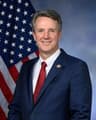 Ben Cline
Republican · Virginia
 Mike Collins
Republican · Georgia
 Neal Dunn
Republican · Florida
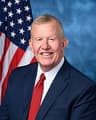 Mike Ezell
Republican · Mississippi
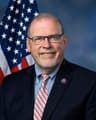 H. Griffith
Republican · Virginia
 Glenn Grothman
Republican · Wisconsin
 Jared Golden
Democrat · Maine
 Jeff Hurd
Republican · Colorado
 Barry Loudermilk
Republican · Georgia
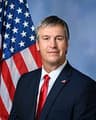 Barry Moore
Republican · Alabama
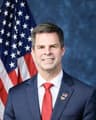 John McGuire
Republican · Virginia
 Pete Sessions
Republican · Texas
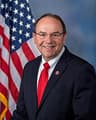 Thomas Tiffany
Republican · Wisconsin
 Glenn Thompson
Republican · Pennsylvania
 Derrick Van Orden
Republican · Wisconsin
 Eugene Vindman
Democrat · Virginia
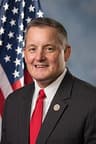 Bruce Westerman
Republican · Arkansas