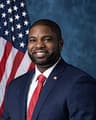
Byron Donalds (R-FL)
To amend the Federal Food, Drug, and Cosmetic Act to exempt the premium cigar industry from certain regulations.
A Republican bill with 10 Democratic cosponsors · See all 17 cosponsors
Last activity — Referred to the House Committee on Energy and Commerce.
In committee
Introduced and handed to a committee in the chamber it started in.
The committee holds it, and most bills are never heard from again. A hearing or a committee vote would be news; silence is the usual outcome, and it kills the bill without anyone voting against it.
Its path through Congress
- Introduced
- In Committee
What this bill would do
This bill proposes an amendment to the Federal Food, Drug, and Cosmetic Act. The goal is to exempt the premium cigar industry from certain tobacco regulations. It defines a "premium cigar" through several specific manufacturing and composition requirements. By doing so, these specific products would no longer be classified as a "tobacco product" under certain sections of the Act.
Yes
- Scored +5
Would business owners be better off under this?
The bill directly benefits owners in the premium cigar industry by reducing their regulatory burden.
- Scored +5
Does this make it easier to run a small business?
The bill provides regulatory relief specifically for the premium cigar industry, which the findings state is largely comprised of family-owned small businesses.
- Scored +5
Does this leave more decisions to the states?
By exempting these products from federal regulation, the bill effectively leaves their regulation to the states.
The opposite
- Scored -5
Does this give the federal government more power?
The bill seeks to reduce the scope of federal regulatory power over the premium cigar industry.
- Scored -3
Does this give people more protection from unfair business practices?
The bill exempts a specific tobacco-related product from federal oversight under the Food, Drug, and Cosmetic Act, which may reduce direct federal consumer protections.
Who it would affect, and how
Potential Positive Impacts for People
- Exemption from specific regulations: The bill would remove premium cigars from the definition of a "tobocco product" under Section 201(rr) of the Federal Food, Drug, and Cosmetic Act (Section 2). This would exempt the premium cigar industry from certain regulations.
Potential Negative Impacts for People
- No specific negative impacts identified: The provided text does not explicitly list any negative consequences or burdens for individuals or groups of people.
Groups and Interests Ranking
Every group the model scored this bill for, from -10 to +10. Tap or hover a score for the reason it gave.
- Demographic And Interest Groups
- Would business owners be better off under this? — The bill directly benefits owners in the premium cigar industry by reducing their regulatory burden.
- Economy And Finance
- Does this make it easier to run a small business? — The bill provides regulatory relief specifically for the premium cigar industry, which the findings state is largely comprised of family-owned small businesses. Does this give people more protection from unfair business practices? — The bill exempts a specific tobacco-related product from federal oversight under the Food, Drug, and Cosmetic Act, which may reduce direct federal consumer protections.
- Governance And Ideology
- Does this leave more decisions to the states? — By exempting these products from federal regulation, the bill effectively leaves their regulation to the states. Does this give the federal government more power? — The bill seeks to reduce the scope of federal regulatory power over the premium cigar industry.
- 2/9/2026
- 1 Cosponsor added.
- 11/12/2025
- 1 Cosponsor added.
- 9/30/2025
- 1 Cosponsor added.
- 9/19/2025
- 1 Cosponsor added.
- 7/2/2025
- 1 Cosponsor added.
- 6/30/2025
- 1 Cosponsor added.
- 6/23/2025
- 2 Cosponsors added.
- 6/5/2025
- 1 Cosponsor added.
- 5/21/2025
- 1 Cosponsor added.
- 4/14/2025
- 2 Cosponsors added.
- 4/2/2025
- 1 Cosponsor added.
- 3/18/2025
- 1 Cosponsor added.
- 3/14/2025
- Referred to the House Committee on Energy and Commerce.
- 3 Cosponsors added.
- Introduced in House
 Brendan Boyle
Democrat · Pennsylvania
 Ken Calvert
Republican · California
 Henry Cuellar
Democrat · Texas
 Troy Carter
Democrat · Louisiana
 Mario Diaz-Balart
Republican · Florida
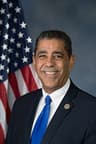 Adriano Espaillat
Democrat · New York
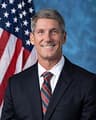 Scott Franklin
Republican · Florida
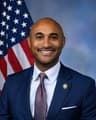 Shomari Figures
Democrat · Alabama
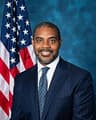 Steven Horsford
Democrat · Nevada
 Darrell Issa
Republican · California
 Ronny Jackson
Republican · Texas
 Jonathan Jackson
Democrat · Illinois
 Nicholas Langworthy
Republican · New York
 Jimmy Panetta
Democrat · California
 Dina Titus
Democrat · Nevada
 Claudia Tenney
Republican · New York
 Gabe Vasquez
Democrat · New Mexico