A Republican bill with 8 Republican cosponsors · See all 8 cosponsors
Last activity — Referred to the House Committee on Oversight and Government Reform.
In committee
Introduced and handed to a committee in the chamber it started in.
The committee holds it, and most bills are never heard from again. A hearing or a committee vote would be news; silence is the usual outcome, and it kills the bill without anyone voting against it.
Its path through Congress
- Introduced
- In Committee
What this bill would do
This bill is titled the "Department of Government Efficiency Act" or the "DOGE Act." It aims to codify Executive Order 14210 into law. This specific executive order relates to the implementation of the President's Department of Government Efficiency workforce optimization initiative. By passing this act, the executive order would have the force and effect of law.
Yes· 3 of 4
- Scored +5
Does this reduce what the federal government owes?
The workforce optimization initiative aims to increase efficiency and potentially reduce government spending.
- Scored +5
Does this reduce what the federal government spends?
Workforce optimization is intended to streamline operations and reduce federal expenditures.
- Scored +5
Does this make the government pay for what it commits to?
The bill promotes government efficiency through workforce optimization.
The opposite
- Scored -5
Would union members be better off under this?
Workforce optimization initiatives often involve staff reductions that can negatively affect union members.
Who it would affect, and how
Potential Positive Impacts for People
- Implementation of workforce optimization: The bill seeks to codify the President's Department of Government Efficiency workforce optimization initiative (Section 2), which relates to implementing that specific initiative.
Potential Negative Impacts for People
- No negative impacts are explicitly stated in the text provided.
Groups and Interests Ranking
Every group the model scored this bill for, from -10 to +10. Tap or hover a score for the reason it gave.
- Economy And Finance
- Does this make the government pay for what it commits to? — The bill promotes government efficiency through workforce optimization. Does this reduce what the federal government spends? — Workforce optimization is intended to streamline operations and reduce federal expenditures. Does this reduce what the federal government owes? — The workforce optimization initiative aims to increase efficiency and potentially reduce government spending.
- Demographic And Interest Groups
- Would union members be better off under this? — Workforce optimization initiatives often involve staff reductions that can negatively affect union members.
- Governance And Ideology
- Does this make what the government does easier for the public to see? — The initiative aims to optimize the workforce, which may lead to more transparent government operations.
- 3/25/2025
- 1 Cosponsor added.
- 3/11/2025
- 1 Cosponsor added.
- 3/10/2025
- Referred to the House Committee on Oversight and Government Reform.
- 6 Cosponsors added.
- Introduced in House
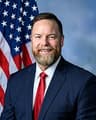 Aaron Bean
Republican · Florida
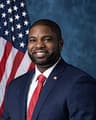 Byron Donalds
Republican · Florida
 Darrell Issa
Republican · California
 Mary Miller
Republican · Illinois
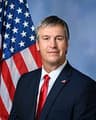 Barry Moore
Republican · Alabama
 Michael Rulli
Republican · Ohio
 Victoria Spartz
Republican · Indiana
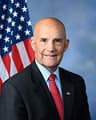 Keith Self
Republican · Texas