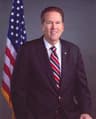
Vern Buchanan (R-FL)
To direct the Secretary of Defense to develop a strategy to treat obesity as a disease and reduce the prevalence of obesity in certain Armed Forces, and for other purposes.
A Republican bill with 1 Democratic cosponsor · See the cosponsor
Last activity — Referred to the House Committee on Armed Services.
In committee
Introduced and handed to a committee in the chamber it started in.
The committee holds it, and most bills are never heard from again. A hearing or a committee vote would be news; silence is the usual outcome, and it kills the bill without anyone voting against it.
Its path through Congress
- Introduced
- In Committee
What this bill would do
This bill directs the Secretary of Defense to create a strategy that treats obesity as a medically accepted disease within certain Armed Forces. The strategy must include coordinating obesity-related programs and conducting an educational campaign to increase awareness, diagnosis, and treatment. Additionally, the Secretary must assess the effectiveness of current health programs and the adequacy of nutrition education for military health care practitioners. The bill also requires the inclusion of information regarding unmet weight standards in specific reports to Congress. Finally, it mandates reports on the effects of obesity on military readiness and the effectiveness of existing food and nutrition programs.
Yes
- Scored +5
Does this make health care easier to get in general?
The bill enhances healthcare access for service members by mandating a strategy to treat obesity as a medically accepted disease.
- Scored +3
Does this make what the government does easier for the public to see?
The bill increases transparency by requiring reports to Congress regarding obesity's impact on military readiness and weight standards.
The opposite
No question was scored the opposite.
Who it would affect, and how
Potential Positive Impacts for People
-
Improved Treatment and Awareness: The Secretary of Defense must develop a strategy to align programs with the classification of obesity as a disease, which includes a plan to ensure members of the covered Armed Forces receive appropriate treatment (Section 1(a)(1) and (2)).
-
Enhanced Medical Education: The bill requires an assessment of whether military physicians and health care practitioners have adequate nutrition education to evaluate and treat obesity as a disease (Section 1(a)(2)(C)).
-
Resource Access for Service Members: An educational campaign will be conducted to provide members of the covered Armed Forces with information on best practices to prevent or mitigate obesity and available resources to address root causes (Section 1(a)(3)(A)).
-
Targeted Practitioner Information: The educational campaign will also provide information to physicians and practitioners to promote the diagnosis and treatment of obesity as a disease (Section 1(a)(3)(B)).
Potential Negative Impacts for People
- Increased Reporting of Weight Standards: The Secretary of Defense will be required to include information regarding unmet weight standards in reports concerning enlistment disqualifications, disabilities, or medical discharges (Section 1(b)).
Groups and Interests Ranking
Every group the model scored this bill for, from -10 to +10. Tap or hover a score for the reason it gave.
- Healthcare
- Does this make health care easier to get in general? — The bill enhances healthcare access for service members by mandating a strategy to treat obesity as a medically accepted disease.
- Governance And Ideology
- Does this make what the government does easier for the public to see? — The bill increases transparency by requiring reports to Congress regarding obesity's impact on military readiness and weight standards.
- 3/10/2025
- Referred to the House Committee on Armed Services.
- 1 Cosponsor added.
- Introduced in House
 Gwen Moore
Democrat · Wisconsin