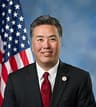
Mark Takano (D-CA)
End Veteran Homelessness Act of 2025
A Democratic bill with 30 Democratic cosponsors · See all 30 cosponsors
Last activity — Forwarded by Subcommittee to Full Committee by Voice Vote.
In committee
Introduced and handed to a committee in the chamber it started in.
The committee holds it, and most bills are never heard from again. A hearing or a committee vote would be news; silence is the usual outcome, and it kills the bill without anyone voting against it.
Its path through Congress
- Introduced
- In Committee
What this bill would do
This bill makes improvements to the HUD-VASH program, which is a supported housing program for veterans. It requires the Secretary of Veterans Affairs to prioritize vulnerable homeless veterans and those with disabilities when assigning case managers. The legislation mandates annual reports to Congress and a GAO report on how the program functions and how case managers serve veterans. It protects veterans from losing their rental assistance or being evicted if they refuse or suspend case management services. Finally, the bill allows vouchers to be used by veterans who do not require case management and authorizes appropriations for administrative fees.
Yes· 3 of 10
- Scored +8
Is this likely to reduce homelessness?
The bill improves housing stability through expanded voucher eligibility and protections against eviction for those refusing case management.
- Scored +8
Would veterans be better off under this, taking everything together?
The bill provides expanded rental assistance, priority case management for vulnerable veterans, and protections against eviction.
- Scored +7
Does this make housing cost less?
The bill expands rental assistance eligibility to include veterans at risk of homelessness and provides administrative funds to facilitate leasing.
The opposite
No question was scored the opposite.
Who it would affect, and how
Potential Positive Impacts for People
-
Prioritizing Vulnerable Veterans: Section 2(a) requires the Secretary to prioritize vulnerable homeless veterans, including those with chronic mental illness, chronic substance abuse disorders, or chronic physical disabilities, when assigning case managers and providing services. This ensures that the veterans with the greatest needs receive necessary support first.
-
Protection Against Revocation and Eviction for Refusing Case Management: Section 3(1)(C) states that if a veteran refuses case management, the Secretary of Housing and Urban Development, public housing authorities, and property owners cannot revoke rental assistance or evict the veteran solely based on that refusal. This protects veterans from losing their housing simply because they declined case management services.
-
Protection During Suspended Case Management: Section 3(1)(C) also specifies that if a veteran's case management is suspended for the health and safety of the veteran or the case manager, the property owner cannot evict or penalize the veteran solely on the basis of that suspension. This safeguards the housing stability of veterans during safety-related interruptions in their care.
-
Support for Ongoing Engagement: Section 3(1)(C) requires the Secretary of Veterans Affairs to make recurring attempts to engage and build a relationship with veterans who refuse case management, promote housing stability, and provide case management if the veteran subsequently requests it. This ensures veterans keep a pathway open to receive help whenever they are ready.
Potential Negative Impacts for People
- Based on the provided text, there are no explicit negative impacts or burdens identified for individuals or groups of people in the United States.
Groups and Interests Ranking
Every group the model scored this bill for, from -10 to +10. Tap or hover a score for the reason it gave.
- Social Issues And Justice
- Is this likely to reduce homelessness? — The bill improves housing stability through expanded voucher eligibility and protections against eviction for those refusing case management. Does this make housing cost less? — The bill expands rental assistance eligibility to include veterans at risk of homelessness and provides administrative funds to facilitate leasing. Does this expand the rights of people with disabilities? — The bill mandates prioritization of case management for veterans with physical or mental disabilities. Is this likely to lift people out of poverty? — The bill targets veteran homelessness by expanding the scope of the HUD-VASH rental assistance program.
- Demographic And Interest Groups
- Would veterans be better off under this, taking everything together? — The bill provides expanded rental assistance, priority case management for vulnerable veterans, and protections against eviction. Would people with disabilities be better off under this? — The bill specifically prioritizes veterans with chronic mental or physical disabilities for case management services. Would households on low incomes be better off under this? — The bill expands rental assistance for those at risk of homelessness, which disproportionately affects low-income populations.
- National Security And Foreign Policy
- Does this increase the pay, pensions or support veterans receive? — The bill enhances the HUD-VASH program by providing more flexible rental assistance and stronger housing protections for veterans.
- Healthcare
- Does this make mental health care easier to get? — The bill prioritizes vulnerable veterans including those with chronic mental illness for case management support.
- Governance And Ideology
- Does this make what the government does easier for the public to see? — The bill mandates annual reports to Congress and a GAO report to track program effectiveness and demographic data.
- 10/9/2026
- 1 Cosponsor added.
- 10/1/2026
- 1 Cosponsor added.
- 9/24/2026
- 1 Cosponsor added.
- 9/8/2026
- 1 Cosponsor added.
- 8/10/2026
- 1 Cosponsor added.
- 6/24/2026
- 1 Cosponsor added.
- 5/21/2026
- 1 Cosponsor added.
- 4/29/2026
- 1 Cosponsor added.
- 4/23/2026
- 1 Cosponsor added.
- 4/20/2026
- 1 Cosponsor added.
- 4/15/2026
- 1 Cosponsor added.
- 3/26/2026
- 1 Cosponsor added.
- 2/25/2026
- 1 Cosponsor added.
- 2/24/2026
- Subcommittee Consideration and Mark-up Session Held
- Forwarded by Subcommittee to Full Committee by Voice Vote.
- 12/11/2025
- 1 Cosponsor added.
- 11/19/2025
- 1 Cosponsor added.
- 11/17/2025
- 2 Cosponsors added.
- 11/12/2025
- 1 Cosponsor added.
- 11/7/2025
- 1 Cosponsor added.
- 11/4/2025
- 2 Cosponsors added.
- 10/28/2025
- 1 Cosponsor added.
- 10/21/2025
- 4 Cosponsors added.
- 8/5/2025
- 1 Cosponsor added.
- 4/28/2025
- 1 Cosponsor added.
- 3/10/2025
- Referred to the Subcommittee on Economic Opportunity.
- Subcommittee Hearings Held
- 3/6/2025
- Referred to the Committee on Financial Services, and in addition to the Committee on Veterans' Affairs, for a period to be subsequently determined by the Speaker, in each case for consideration of such provisions as fall within the jurisdiction of the committee concerned.
- 2 Cosponsors added.
- Introduced in House
 Steve Cohen
Democrat · Tennessee
 Angie Craig
Democrat · Minnesota
 Mark DeSaulnier
Democrat · California
 Shomari Figures
Democrat · Alabama
 Sylvia Garcia
Democrat · Texas
 Steven Horsford
Democrat · Nevada
 Pablo Hernández
Democrat · Puerto Rico
 Pramila Jayapal
Democrat · Washington
 Timothy Kennedy
Democrat · New York
 John Larson
Democrat · Connecticut
 Mike Levin
Democrat · California
 Grace Meng
Democrat · New York
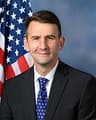 Frank Mrvan
Democrat · Indiana
 Sarah McBride
Democrat · Delaware
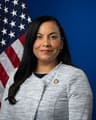 Analilia Mejia
Democrat · New Jersey
 Joe Neguse
Democrat · Colorado
 Frank Pallone
Democrat · New Jersey
 Chellie Pingree
Democrat · Maine
 Mike Quigley
Democrat · Illinois
 Deborah Ross
Democrat · North Carolina
 Delia Ramirez
Democrat · Illinois
 Brad Sherman
Democrat · California
 Thomas Suozzi
Democrat · New York
 Greg Stanton
Democrat · Arizona
 Melanie Stansbury
Democrat · New Mexico
 Emilia Sykes
Democrat · Ohio
 Lateefah Simon
Democrat · California
 Mike Thompson
Democrat · California
 Shri Thanedar
Democrat · Michigan
 Maxine Waters
Democrat · California