A Republican bill with 18 Democratic cosponsors · See all 32 cosponsors
Last activity — ASSUMING FIRST SPONSORSHIP - Mr. Murphy asked unanimous consent that he may hereafter be considered as the first sponsor of H.R. 1849, a bill originally introduced by Representative LaMalfa, for the purpose of adding cosponsors and requesting reprintings pursuant to clause 7 of rule XII. Agreed to without objection.
Introduced, nothing more yet
Formally proposed, and not yet handed to a committee.
Nearly every bill is sent to a committee within days. Introduction alone is not a sign of support, of momentum, or of any likelihood of passing — any member may introduce any bill.
Its path through Congress
- Introduced
What this bill would do
This bill, titled the "Disaster Mitigation and Tax Parity Act of 2025," aims to amend the Internal Revenue Code of 1986. It proposes to exclude certain amounts from gross income if they are received from State-based catastrophe loss mitigation programs. These payments must be made for the purpose of property improvements to reduce damage from windstorms, earthquakes, or wildfires. The bill applies to programs established by States, political subdivisions, joint powers authorities, or specific insurance-related entities under State oversight. The changes are intended to apply to taxable years beginning after December 31, 2020.
Yes· 3 of 7
- Scored +5
Does this cut taxes for middle-income families?
The bill excludes qualified catastrophe mitigation payments from gross income, providing tax relief to property owners.
- Scored +4
Would middle-income households be better off under this?
The tax exclusion provides a direct financial benefit to property owners for disaster mitigation improvements.
- Scored +4
Does this improve help for people hit by a disaster?
The bill provides a financial mechanism for individuals to proactively mitigate the impact of windstorms, earthquakes, and wildfires.
The opposite
- Scored -2
Does this reduce what the federal government spends?
The tax exclusion reduces federal tax revenue by allowing individuals to exclude mitigation payments from gross income.
Who it would affect, and how
Potential Positive Impacts for People
-
Tax Exclusion for Property Improvements: Under Section 2(a)(1), gross income would not include amounts received for the purpose of making property improvements to reduce damage from windstorms, earthquakes, or wildfires. This means individuals receiving these payments would not have to pay taxes on that money.
-
Retroactive Relief: According to Section 2(c)(2), the Secretary of the Treasury is directed to provide an opportunity for individuals to claim this exclusion, which can include through an amended return. This allows people to potentially recover taxes paid on these payments in previous years.
Potential Negative Impacts for People
- No change in basis: Section 2(a)(3) states that rules similar to those in subsection (g)(3) of the Internal Revenue Code will apply, which means there would be no increase in the basis of the property.
Groups and Interests Ranking
Every group the model scored this bill for, from -10 to +10. Tap or hover a score for the reason it gave.
- Demographic And Interest Groups
- Would middle-income households be better off under this? — The tax exclusion provides a direct financial benefit to property owners for disaster mitigation improvements. Would people in rural areas be better off under this? — The bill provides relief for property owners facing risks from wildfires and windstorms, which often impact rural areas.
- Environment Energy And Infrastructure
- Does this improve help for people hit by a disaster? — The bill provides a financial mechanism for individuals to proactively mitigate the impact of windstorms, earthquakes, and wildfires. Does this better protect air, water and wildlife? — The bill encourages property improvements designed to mitigate damage from natural disasters like wildfires and windstorms.
- Economy And Finance
- Does this cut taxes for middle-income families? — The bill excludes qualified catastrophe mitigation payments from gross income, providing tax relief to property owners. Does this reduce what the federal government spends? — The tax exclusion reduces federal tax revenue by allowing individuals to exclude mitigation payments from gross income.
- Governance And Ideology
- Does this leave more decisions to the states? — The bill recognizes and provides tax treatment for programs established by States and their political subdivisions.
- Social Issues And Justice
- Does this make housing cost less? — By allowing tax-free funds for property improvements, the bill helps homeowners maintain and protect their property assets.
- 8/31/2026
- 1 Cosponsor added.
- 6/25/2026
- 1 Cosponsor added.
- 6/24/2026
- 1 Cosponsor added.
- 6/23/2026
- 1 Cosponsor added.
- 5/19/2026
- 1 Cosponsor added.
- 4/22/2026
- 1 Cosponsor added.
- 2/4/2026
- ASSUMING FIRST SPONSORSHIP - Mr. Murphy asked unanimous consent that he may hereafter be considered as the first sponsor of H.R. 1849, a bill originally introduced by Representative LaMalfa, for the purpose of adding cosponsors and requesting reprintings pursuant to clause 7 of rule XII. Agreed to without objection.
- 12/18/2025
- 1 Cosponsor added.
- 12/17/2025
- 1 Cosponsor added.
- 11/25/2025
- 1 Cosponsor added.
- 11/20/2025
- 2 Cosponsors added.
- 10/3/2025
- 1 Cosponsor added.
- 9/26/2025
- 2 Cosponsors added.
- 6/5/2025
- 2 Cosponsors added.
- 3/21/2025
- 1 Cosponsor added.
- 3/6/2025
- 2 Cosponsors added.
- 3/5/2025
- Referred to the House Committee on Ways and Means.
- 13 Cosponsors added.
- Introduced in House
One bill Congress.gov lists as related to this one — companions in the other chamber, earlier versions, and bills this one absorbed or was folded into.
 Julia Brownley
Democrat · California
 Ken Calvert
Republican · California
 Judy Chu
Democrat · California
 Angie Craig
Democrat · Minnesota
 Danny Davis
Democrat · Illinois
 Donald Davis
Democrat · North Carolina
 Chuck Edwards
Republican · North Carolina
 Scott Fitzgerald
Republican · Wisconsin
 Lance Gooden
Republican · Texas
 James Gallagher
Republican · California
 Jared Huffman
Democrat · California
 Clay Higgins
Republican · Louisiana
 Darin LaHood
Republican · Illinois
 Mike Levin
Democrat · California
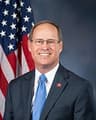 Gregory Murphy
Republican · North Carolina
 Barry Moore
Republican · Alabama
 Kevin Mullin
Democrat · California
 Addison McDowell
Republican · North Carolina
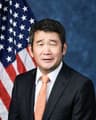 Dave Min
Democrat · California
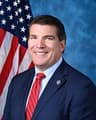 Jay Obernolte
Republican · California
 Scott Peters
Democrat · California
 Jimmy Panetta
Democrat · California
 Brittany Pettersen
Democrat · Colorado
 Deborah Ross
Democrat · North Carolina
 Mike Rogers
Republican · Alabama
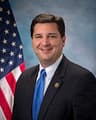 David Rouzer
Republican · North Carolina
 Terri Sewell
Democrat · Alabama
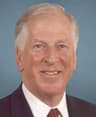 Mike Thompson
Democrat · California
 Derek Tran
Democrat · California
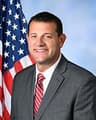 David Valadao
Republican · California
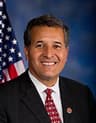 Juan Vargas
Democrat · California
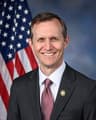 George Whitesides
Democrat · California