
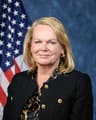
Kat Cammack (R-FL)
DIGITAL Applications Act
A Republican bill with 3 Democratic cosponsors · See all 3 cosponsors
Last activity — Received in the Senate and Read twice and referred to the Committee on Energy and Natural Resources.
In the other chamber's committee
Passed one chamber and has been handed to a committee in the other.
The committee decides whether it goes any further, and most bills that reach a committee never leave it. A committee that simply does nothing kills a bill without anyone ever voting against it, so no news from here is usually the news.
Its path through Congress
- Introduced
- Passed House voice vote
- In Senate committee
The House by voice vote (members called out yes or no together): no member's position on it was recorded.
What this bill would do
This legislation is known as the DIGITAL Applications Act. It requires the Department of the Interior and the Department of Agriculture to set up online portals. These portals will be used to accept, process, and dispose of certain Form 299s for communications use authorizations. The Secretaries must create these portals no later than one year after the bill is enacted. They also must notify the Assistant Secretary within three business days of setting up the portals. Finally, the Assistant Secretary will publish links to these online portals on the National Telecommunications and Information Administration website.
Yes· 3 of 23
- Scored +5
Does this get reliable internet to more people?
This bill aims to streamline the process for deploying communications infrastructure, which should directly improve internet access, especially in underserved areas.
- Scored +4
Would households on low incomes be better off under this?
Improved internet access can provide low-income households with access to employment opportunities, education, and social services.
- Scored +4
Would people in rural areas be better off under this?
Rural residents often face greater challenges in accessing reliable internet, so streamlining deployment will be significantly helpful.
The opposite
No question was scored the opposite.
Who it would affect, and how
Potential Positive Impacts for People
-
Under Section 2(a)(1), the Department of the Interior and the Department of Agriculture must establish online portals within one year to accept, process, and dispose of Form 299s for communications use authorizations. This is a positive step because moving these requests online should make the process easier and more efficient for people and groups trying to get authorizations for communications facilities on public and National Forest System lands.
-
Under Section 2(b), the Assistant Secretary must publish links to these online portals on the website of the National Telecommunications and Information Administration. This helps the public by making it simple and straightforward to find where they need to go to submit their paperwork.
Potential Negative Impacts for People
- Based strictly on the provided text, there are no specific provisions identified that create negative consequences, burdens, or penalties for individuals or groups of people in the United States.
Groups and Interests Ranking
Every group the model scored this bill for, from -10 to +10. Tap or hover a score for the reason it gave.
- Demographic And Interest Groups
- Would households on low incomes be better off under this? — Improved internet access can provide low-income households with access to employment opportunities, education, and social services. Would people in rural areas be better off under this? — Rural residents often face greater challenges in accessing reliable internet, so streamlining deployment will be significantly helpful. Would business owners be better off under this? — Streamlining the approval process can benefit businesses in the telecom sector. Would middle-income households be better off under this? — Enhanced communication infrastructure can improve employment opportunities for middle-class citizens. Would Native Americans be better off under this? — Improved internet access can provide Native American communities with greater access to opportunities, especially in remote areas. Would students be better off under this? — Students benefit significantly from improved internet access for educational purposes. Would Black Americans be better off under this? — Improved internet access can provide African American communities with greater access to opportunities. Would Asian Americans be better off under this? — Improved internet access can provide Asian American communities with greater access to opportunities. Would Hispanic Americans be better off under this? — Improved internet access can provide Hispanic American communities with greater access to opportunities. Would men be better off under this? — Improved internet access can provide Men with greater access to opportunities. Would people in middle age be better off under this? — Improved communication infrastructure can improve employment opportunities for middle-aged citizens. Would retired people be better off under this? — Retirees can benefit from improved internet access to stay connected and access social services. Would people over 65 be better off under this? — Enhanced communication facilities can improve access to healthcare and social services for seniors. Would people in cities be better off under this? — Urban residents can benefit from improved internet access and faster deployment of telecom infrastructure. Would white Americans be better off under this? — Improved internet access can provide White American communities with greater access to opportunities. Would women be better off under this? — Improved internet access can provide Women with greater access to opportunities. Would people in their twenties and thirties be better off under this? — Improved internet access can benefit young adults by providing educational and employment opportunities.
- Economy And Finance
- Is this likely to create jobs? — Streamlining the application process for communications infrastructure on federal lands can lead to quicker deployment and potentially create jobs in the telecom sector. Is this likely to grow the economy? — Faster deployment of communications infrastructure can foster economic growth by improving connectivity. Does this make it easier to run a small business? — The streamlined application process could benefit small businesses in the telecommunications sector.
- Education And Technology
- Does this get reliable internet to more people? — This bill aims to streamline the process for deploying communications infrastructure, which should directly improve internet access, especially in underserved areas.
- Environment Energy And Infrastructure
- Does this invest in rural communities? — Improved communication infrastructure, particularly in rural areas, can spur economic and social development.
- Governance And Ideology
- Does this make what the government does easier for the public to see? — The requirement to publish links to the online portals on the NTIA website enhances transparency.
- 3/17/2026
- Received in the Senate and Read twice and referred to the Committee on Energy and Natural Resources.
- 3/16/2026
- Motion to reconsider laid on the table Agreed to without objection.
- Passed/agreed to in House: On motion to suspend the rules and pass the bill Agreed to by voice vote. (text: CR H2511-2512)
- On motion to suspend the rules and pass the bill Agreed to by voice vote. (text: CR H2511-2512)
- DEBATE - The House proceeded with forty minutes of debate on H.R. 1665.
- Considered under suspension of the rules. (consideration: CR H2511-2513)
- Mr. Westerman moved to suspend the rules and pass the bill.
- 2/4/2026
- Reported by the Committee on Energy and Commerce. H. Rept. 119-487, Part I.
- Reported by the Committee on Natural Resources. H. Rept. 119-487, Part II.
- Committee on Agriculture discharged.
- Placed on the Union Calendar, Calendar No. 416.
- 1/7/2026
- 1 Cosponsor added.
- 12/3/2025
- Committee Consideration and Mark-up Session Held
- Ordered to be Reported by the Yeas and Nays: 51 - 0.
- 12/2/2025
- 1 Cosponsor added.
- 11/18/2025
- Subcommittee Consideration and Mark-up Session Held
- Forwarded by Subcommittee to Full Committee by Voice Vote.
- 4/9/2025
- Referred to the Subcommittee on Commodity Markets, Digital Assets, and Rural Development.
- Committee Consideration and Mark-up Session Held
- Ordered to be Reported by Unanimous Consent.
- 2/27/2025
- Referred to the Committee on Natural Resources, and in addition to the Committees on Energy and Commerce, and Agriculture, for a period to be subsequently determined by the Speaker, in each case for consideration of such provisions as fall within the jurisdiction of the committee concerned.
- Referred to the Subcommittee on Communications and Technology.
- 1 Cosponsor added.
- Introduced in House
 Greg Landsman
Democrat · Ohio
 Doris Matsui
Democrat · California
 April McClain Delaney
Democrat · Maryland