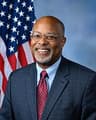
A Democratic bill with 8 Democratic cosponsors · See all 8 cosponsors
Last activity — Referred to the House Committee on Education and Workforce.
In committee
Introduced and handed to a committee in the chamber it started in.
The committee holds it, and most bills are never heard from again. A hearing or a committee vote would be news; silence is the usual outcome, and it kills the bill without anyone voting against it.
Its path through Congress
- Introduced
- In Committee
What this bill would do
This bill is called the Supporting After-School STEM Educators Act. It creates a grant program to help out-of-school time educators get professional development in science, technology, engineering, and mathematics subjects. The Secretary of Education will award grants to States to select intermediaries that support these programs. These intermediaries will then hand out subgrants to nonprofit program providers. The goal is to tackle staffing crises and help improve STEM education for students outside of regular school hours.
Yes· 3 of 20
- Scored +5
Would children be better off under this?
Students in out-of-school programs benefit from improved STEM instruction and engagement.
- Scored +5
Would students be better off under this?
Students gain enhanced learning experiences, increased STEM awareness, and better-trained instructors.
- Scored +5
Would people in rural areas be better off under this?
The legislation explicitly prioritizes program providers operating in rural areas.
The opposite
No question was scored the opposite.
Who it would affect, and how
Potential Positive Impacts for People
- Professional Development Scholarships and Higher Wages: Under Section 4(a)(6)(A) and Section 4(b)(4)(C), intermediaries and program providers can use funds to provide professional development scholarships to educators and must evaluate and adjust educator wages and job titles to account for new skills and credentials. This helps educators grow professionally and earn more money.
- Support for Underrepresented and Rural Communities: Under Section 4(b)(5)(B), priority for subgrants is given to programs in communities with historical underinvestment in STEM, high percentages of students underrepresented in STEM, or rural areas. This ensures resources reach people who typically lack access to these opportunities.
- Travel and Staffing Cost Coverage: Under Section 4(b)(6)(A), subgrant funds can be used to pay for staff time, substitute staffers, and travel costs associated with professional development. This removes financial burdens that usually stop educators from attending training.
Potential Negative Impacts for People
- Based on the provided text, there are no specific provisions that outline negative consequences or burdens for individuals or groups of people in the United States.
Groups and Interests Ranking
Every group the model scored this bill for, from -10 to +10. Tap or hover a score for the reason it gave.
- Demographic And Interest Groups
- Would children be better off under this? — Students in out-of-school programs benefit from improved STEM instruction and engagement. Would people in rural areas be better off under this? — The legislation explicitly prioritizes program providers operating in rural areas. Would students be better off under this? — Students gain enhanced learning experiences, increased STEM awareness, and better-trained instructors. Would Black Americans be better off under this? — Priority is given to programs serving students from populations traditionally underrepresented in STEM fields. Would Hispanic Americans be better off under this? — Priority is given to programs serving students from populations traditionally underrepresented in STEM fields. Would households on low incomes be better off under this? — Priority is directed toward programs serving communities with historical underinvestment and low socioeconomic circumstances. Would Native Americans be better off under this? — Priority is given to programs serving students from populations traditionally underrepresented in STEM fields. Would women be better off under this? — The bill specifically notes the importance of engaging girls and women who are underrepresented in STEM fields. Would people in their twenties and thirties be better off under this? — Young educators and staff in after-school programs receive professional development and wage adjustments.
- Social Issues And Justice
- Does this narrow racial gaps in how people are treated? — Priority is given to programs serving students from populations traditionally underrepresented in STEM fields. Does this narrow the gap between how men and women are treated? — The bill emphasizes engagement and support for groups like girls who are often underrepresented in STEM. Is this likely to lift people out of poverty? — Priority is given to communities with historical underinvestment and low socioeconomic circumstances.
- Education And Technology
- Does this put more money into public schools? — The bill establishes a federal grant program to fund professional development for out-of-school STEM educators. Does this put more money into scientific research? — The legislation directly increases support and resources for science, technology, engineering, and mathematics education.
- Economy And Finance
- Is this likely to create jobs? — The bill supports hiring and retaining out-of-school time educators and substitute staff. Is this likely to grow the economy? — Investing in STEM education helps build a skilled future workforce critical for economic competitiveness. Does this make it easier to run a small business? — The bill provides grant and subgrant funding opportunities that can assist nonprofit community program providers.
- Environment Energy And Infrastructure
- Does this invest in rural communities? — The bill explicitly gives priority for subgrants to programs located in rural areas.
- Governance And Ideology
- Does this make what the government does easier for the public to see? — The legislation requires comprehensive annual and final reporting from intermediaries and program providers. Does this give the federal government more power? — The bill creates a new federal grant program administered by the Department of Education.
- 11/9/2026
- Referred to the House Committee on Education and Workforce.
- 8 Cosponsors added.
- Introduced in House
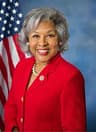 Joyce Beatty
Democrat · Ohio
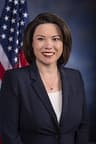 Angie Craig
Democrat · Minnesota
 Josh Gottheimer
Democrat · New Jersey
 Adelita Grijalva
Democrat · Arizona
 Sarah McBride
Democrat · Delaware
 Eleanor Norton
Democrat · District of Columbia
 Shri Thanedar
Democrat · Michigan
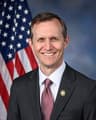 George Whitesides
Democrat · California