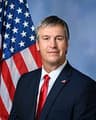
A Republican bill with no cosponsors
Last activity — Referred to the House Committee on the Judiciary.
In committee
Introduced and handed to a committee in the chamber it started in.
The committee holds it, and most bills are never heard from again. A hearing or a committee vote would be news; silence is the usual outcome, and it kills the bill without anyone voting against it.
Its path through Congress
- Introduced
- In Committee
What this bill would do
This bill is known as the Nigerian Accountability Act. It bans people from acting as paid lobbyists or agents for the Nigerian government while Nigeria is designated as a country of particular concern for religious freedom. Anyone who breaks this rule knowingly can face civil fines or criminal penalties. The bill still allows individuals to act as agents for the Nigerian government independently and without pay.
Yes
- Scored +7
Does this limit the influence of paid lobbyists?
The legislation directly prohibits paid lobbying on behalf of the Nigerian government while it holds a particular concern designation.
- Scored +4
Does this make what the government does easier for the public to see?
By penalizing covert or compensated influence operations for designated foreign governments, the bill increases accountability in foreign agent activities.
- Scored +3
Does this give the federal government more power?
The bill expands federal regulatory oversight and enforcement through the Foreign Agents Registration Act framework.
The opposite
- Scored -5
Does this shorten or soften prison sentences?
The bill introduces strict criminal penalties including up to 5 years of imprisonment for knowingly and corruptly failing to comply with the lobbying prohibition.
- Scored -3
Does this strengthen ties with allied countries?
Restricting compensated representation and imposing targeted prohibitions related to Nigeria's human rights designation may strain diplomatic engagement.
Who it would affect, and how
Potential Positive Impacts for People
- Holding the Nigerian Government Accountable: Under Section 2(a), the bill prohibits compensated lobbying on behalf of the Nigerian government while it is designated as a country of particular concern for religious freedom. This stops paid influence efforts during that specific designation.
Potential Negative Impacts for People
- Penalties for Violations: Under Section 2(b)(1) and Section 2(b)(2), individuals who knowingly fail to comply face strict consequences. This includes a civil fine of up to $200,000 for knowing failures, or imprisonment for not more than 5 years and fines under title 18 for those who knowingly and corruptly fail to comply.
Groups and Interests Ranking
Every group the model scored this bill for, from -10 to +10. Tap or hover a score for the reason it gave.
- Governance And Ideology
- Does this limit the influence of paid lobbyists? — The legislation directly prohibits paid lobbying on behalf of the Nigerian government while it holds a particular concern designation. Does this make what the government does easier for the public to see? — By penalizing covert or compensated influence operations for designated foreign governments, the bill increases accountability in foreign agent activities. Does this give the federal government more power? — The bill expands federal regulatory oversight and enforcement through the Foreign Agents Registration Act framework.
- Social Issues And Justice
- Does this shorten or soften prison sentences? — The bill introduces strict criminal penalties including up to 5 years of imprisonment for knowingly and corruptly failing to comply with the lobbying prohibition.
- National Security And Foreign Policy
- Does this strengthen ties with allied countries? — Restricting compensated representation and imposing targeted prohibitions related to Nigeria's human rights designation may strain diplomatic engagement.
- 10/29/2026
- Referred to the House Committee on the Judiciary.
- Introduced in House