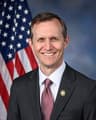
George Whitesides (D-CA)
Stop Harassment and Intimidations in Elections through Legal Defenses (SHIELD) Our Elections Act
A Democratic bill with 38 Democratic cosponsors · See all 38 cosponsors
Last activity — Referred to the Committee on the Judiciary, and in addition to the Committee on House Administration, for a period to be subsequently determined by the Speaker, in each case for consideration of such provisions as fall within the jurisdiction of the committee concerned.
In committee
Introduced and handed to a committee in the chamber it started in.
The committee holds it, and most bills are never heard from again. A hearing or a committee vote would be news; silence is the usual outcome, and it kills the bill without anyone voting against it.
Its path through Congress
- Introduced
- In Committee
What this bill would do
This bill is known as the Stop Harassment and Intimidations in Elections through Legal Defenses (SHIELD) Our Elections Act. It creates a private right of action so people harmed by federal election interference can take legal steps in court. The bill extends the statute of limitations to nine years for prosecuting certain election interference and voter intimidation crimes. It also places strict limits on when law enforcement can seize ballots and election equipment. Additionally, the legislation provides grants to states to set up tracking programs for mail-in and absentee ballots.
Yes· 3 of 8
- Scored +7
Does this make elections run better?
The legislation protects election integrity by restricting the premature seizure of ballots and equipment and extending timelines to prosecute election interference.
- Scored +7
Does this protect the right to vote?
The bill creates a private right of action for federal election interference and establishes federal grants for mail-in and absentee ballot tracking programs.
- Scored +6
Does this make what the government does easier for the public to see?
The bill establishes ballot tracking programs that make receipt and counting status information readily available online to voters and organizations.
The opposite
- Scored -4
Does this shorten or soften prison sentences?
The bill extends the statute of limitations to nine years for prosecuting certain election interference and voter intimidation crimes.
Who it would affect, and how
Potential Positive Impacts for People
-
Empowering Individuals Affected by Interference: Under Section 101, individuals harmed by federal election interference can bring a civil action in court to stop violations. This gives everyday people a direct tool to protect their voting rights.
-
Longer Window to Prosecute Crimes: Under Section 102, the time limit to prosecute crimes related to troops at polls, armed forces interference, voter intimidation, and specific voting rights violations is extended to nine years. This gives investigators and prosecutors much more time to hold wrongdoers accountable.
-
Protection of Election Records and Ballots: Under Section 201, state and federal law enforcement cannot seize ballots, election papers, or equipment until recounts, audits, or legal challenges are fully resolved. This prevents premature seizures unless a judge finds clear and convincing evidence that the materials might be destroyed.
-
Better Ballot Tracking for Voters: Under Section 301, states can receive grants to create tracking programs for mail-in and absentee ballots. This allows voters to check dates regarding their applications and ballots online, and learn quickly if their ballot was counted or why it was rejected.
Potential Negative Impacts for People
-
Extended Investigation and Legal Uncertainty: Under Section 102, the extension of the statute of limitations to nine years means that individuals or organizations could potentially face the threat of prosecution or legal investigations for a significantly longer period following an election.
-
Potential Hurdles for Urgent Evidence Collection: Under Section 201, the restriction on seizing ballots and election equipment until all legal challenges are finished could create hurdles for law enforcement who may need quick access to physical evidence to investigate immediate election crimes, requiring them to first prove a risk of destruction before a judge.
Groups and Interests Ranking
Every group the model scored this bill for, from -10 to +10. Tap or hover a score for the reason it gave.
- Demographic And Interest Groups
- Would Black Americans be better off under this? — Stronger protections against voter intimidation and extended statutes of limitations help safeguard voting access in historically marginalized communities. Would Hispanic Americans be better off under this? — Enhanced enforcement mechanisms against election interference protect minority voting rights. Would people over 65 be better off under this? — Seniors, who frequently use mail-in and absentee voting, benefit directly from increased transparency and tracking of their ballots. Would people in their twenties and thirties be better off under this? — Young adults benefit from enhanced ballot tracking and stronger legal protections against voter interference and intimidation.
- Governance And Ideology
- Does this make elections run better? — The legislation protects election integrity by restricting the premature seizure of ballots and equipment and extending timelines to prosecute election interference. Does this make what the government does easier for the public to see? — The bill establishes ballot tracking programs that make receipt and counting status information readily available online to voters and organizations.
- Social Issues And Justice
- Does this protect the right to vote? — The bill creates a private right of action for federal election interference and establishes federal grants for mail-in and absentee ballot tracking programs. Does this make casting a ballot easier in practice? — By providing grants to states to establish ballot materials tracking programs, voters can easily check the status of their mail-in and absentee ballots online. Does this shorten or soften prison sentences? — The bill extends the statute of limitations to nine years for prosecuting certain election interference and voter intimidation crimes.
- 11/5/2026
- 1 Cosponsor added.
- 10/29/2026
- 1 Cosponsor added.
- 10/22/2026
- Referred to the Committee on the Judiciary, and in addition to the Committee on House Administration, for a period to be subsequently determined by the Speaker, in each case for consideration of such provisions as fall within the jurisdiction of the committee concerned.
- 36 Cosponsors added.
- Introduced in House
One bill Congress.gov lists as related to this one — companions in the other chamber, earlier versions, and bills this one absorbed or was folded into.
 Julia Brownley
Democrat · California
 Nanette Barragán
Democrat · California
 Shontel Brown
Democrat · Ohio
 Everton Blair
Democrat · Georgia
 J. Correa
Democrat · California
 Salud Carbajal
Democrat · California
 Gilbert Cisneros
Democrat · California
 Mark DeSaulnier
Democrat · California
 Lizzie Fletcher
Democrat · Texas
 Laura Friedman
Democrat · California
 Al Green
Democrat · Texas
 John Garamendi
Democrat · California
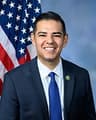 Robert Garcia
Democrat · California
 Maggie Goodlander
Democrat · New Hampshire
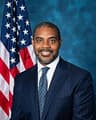 Steven Horsford
Democrat · Nevada
 Chrissy Houlahan
Democrat · Pennsylvania
 Josh Harder
Democrat · California
 Val Hoyle
Democrat · Oregon
 Sara Jacobs
Democrat · California
 Sydney Kamlager-Dove
Democrat · California
 Zoe Lofgren
Democrat · California
 Ted Lieu
Democrat · California
 Mike Levin
Democrat · California
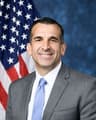 Sam Liccardo
Democrat · California
 Gregory Meeks
Democrat · New York
 Doris Matsui
Democrat · California
 Kevin Mullin
Democrat · California
 Robert Menendez
Democrat · New Jersey
 Nancy Pelosi
Democrat · California
 Brittany Pettersen
Democrat · Colorado
 Brad Sherman
Democrat · California
 Mary Gay Scanlon
Democrat · Pennsylvania
 Melanie Stansbury
Democrat · New Mexico
 Lateefah Simon
Democrat · California
 Mark Takano
Democrat · California
 Norma Torres
Democrat · California
 Maxine Waters
Democrat · California
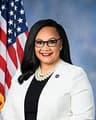 Nikema Williams
Democrat · Georgia