
Norma Torres (D-CA)
Advanced Manufacturing Jobs in America Act of 2026
A Democratic bill with 1 Republican cosponsor · See the cosponsor
Last activity — Referred to the House Committee on Education and Workforce.
In committee
Introduced and handed to a committee in the chamber it started in.
The committee holds it, and most bills are never heard from again. A hearing or a committee vote would be news; silence is the usual outcome, and it kills the bill without anyone voting against it.
Its path through Congress
- Introduced
- In Committee
What this bill would do
This bill amends the Workforce Innovation and Opportunity Act to establish demonstration and pilot projects for advanced manufacturing education and training programs. It directs the Secretary to carry out these projects through grants or contracts to eligible entities in partnership with manufacturers. The bill targets skills and competency development in communities with expected growth in advanced manufacturing. It prioritizes incumbent workers, dislocated workers, unemployed individuals, workers from rural areas, and underrepresented individuals. Eligible entities include technical colleges, community colleges, local boards, manufacturing extension centers, and public-private partnerships. The legislation requires performance goals, measures, and a continuing evaluation with a report transmitted to Congress.
Yes· 3 of 23
- Scored +5
Would households on low incomes be better off under this?
Unemployed and low-income individuals are given priority for programs designed to increase earnings and career advancement.
- Scored +5
Is this likely to create jobs?
The bill establishes pilot and demonstration projects to facilitate education and training for anticipated advanced manufacturing jobs.
- Scored +4
Would people in their twenties and thirties be better off under this?
Young adults entering the workforce benefit directly from targeted advanced manufacturing training and credentials.
The opposite
No question was scored the opposite.
Who it would affect, and how
Potential Positive Impacts for People
-
Targeted Training and Credentials: Section 2, adding subsection (d)(1)(B), provides education and training for available or anticipated advanced manufacturing jobs that result in a covered skill set and corresponding covered credential. This benefits individuals by helping them gain recognized qualifications for employment.
-
Support for Vulnerable and Underrepresented Workers: Section 2, adding subsection (d)(1)(D), gives priority to incumbent workers, dislocated workers, unemployed individuals, workers from rural areas, and underrepresented individuals such as racial and ethnic minorities. This ensures that the benefits of the program reach populations that may face barriers to employment.
-
Career Advancement and Higher Earnings: Section 2, adding subsections (d)(1)(C) and (d)(5)(A)(vi), educates individuals about career advancement opportunities and helps workers develop skills that lead to greater earnings. This supports individuals in improving their financial stability and professional growth.
-
Diverse Educational Partnerships: Section 2, adding subsection (d)(2)(A), allows various entities like community colleges, local educational agencies, and public-private partnerships to participate. This broadens access to training programs across different types of educational institutions.
Potential Negative Impacts for People
-
Application and Compliance Burdens: Section 2, adding subsection (d)(3), requires eligible entities to submit detailed applications containing descriptions of organizational capacity, training models, economic benefits, and coordination activities. These administrative requirements could place a heavy burden on smaller entities or community organizations trying to apply for grants.
-
Performance Measure Pressures: Section 2, adding subsection (d)(5)(B), requires the Secretary to negotiate performance measures with each eligible entity, which include indicators like credential attainment and earnings growth. Meeting these strict federal metrics could pressure programs and participants, potentially penalizing entities if individuals struggle to meet performance targets.
Groups and Interests Ranking
Every group the model scored this bill for, from -10 to +10. Tap or hover a score for the reason it gave.
- Demographic And Interest Groups
- Would households on low incomes be better off under this? — Unemployed and low-income individuals are given priority for programs designed to increase earnings and career advancement. Would Black Americans be better off under this? — The bill prioritizes underrepresented racial and ethnic minorities, helping to bridge employment and earnings gaps. Would business owners be better off under this? — Manufacturers and business partners benefit from a well-trained workforce tailored to industry competency models. Would Hispanic Americans be better off under this? — Underrepresented racial and ethnic minorities are specifically prioritized for participation in the training programs. Would people in middle age be better off under this? — Incumbent and dislocated middle-aged workers are prioritized for retraining and skill enhancement opportunities. Would middle-income households be better off under this? — Dislocated and incumbent workers can achieve wage growth and secure stable middle-class jobs through advanced skills training. Would Native Americans be better off under this? — Tribally controlled colleges and universities are explicitly included as eligible entities to receive grant funding. Would people in rural areas be better off under this? — The legislation explicitly mandates that priority be given to workers from rural areas. Would students be better off under this? — Students attending community and technical colleges gain access to industry-recognized credentials and experiential learning. Would people in their twenties and thirties be better off under this? — Young adults entering the workforce benefit directly from targeted advanced manufacturing training and credentials. Would Asian Americans be better off under this? — As part of underrepresented groups in certain technical fields, Asian American workers can benefit from targeted training priorities. Would people in cities be better off under this? — Communities with expected growth in advanced manufacturing, including urban industrial centers, will benefit from targeted investments. Would veterans be better off under this, taking everything together? — Dislocated workers and unemployed individuals, which often include veterans, receive priority access to training and career placement. Would women be better off under this? — As underrepresented individuals in advanced manufacturing, women stand to benefit from targeted outreach and priority training.
- Economy And Finance
- Is this likely to create jobs? — The bill establishes pilot and demonstration projects to facilitate education and training for anticipated advanced manufacturing jobs. Is this likely to grow the economy? — Investing in advanced manufacturing workforce development supports local economic growth and competitiveness. Does this make it easier to run a small business? — Collaborations with manufacturing extension centers and local partnerships assist businesses in meeting their skilled workforce needs.
- Social Issues And Justice
- Is this likely to lift people out of poverty? — By targeting unemployed and dislocated workers for training leading to wage growth, the bill helps lift individuals out of poverty. Does this narrow racial gaps in how people are treated? — The program prioritizes underrepresented individuals, including racial and ethnic minorities, expanding access to career opportunities.
- Education And Technology
- Does this put more money into public schools? — The bill provides grants to technical colleges, community colleges, and local educational agencies for workforce education programs. Does this make college cost less? — Grant-funded training and credentialing programs through community and technical colleges expand accessible educational pathways.
- Environment Energy And Infrastructure
- Does this invest in rural communities? — The legislation explicitly gives priority to workers from rural areas in accessing advanced manufacturing training programs.
- Governance And Ideology
- Does this make what the government does easier for the public to see? — The bill requires continuing evaluations and a report transmitted to Congress on project performance and outcomes.
- 10/15/2026
- Referred to the House Committee on Education and Workforce.
- 1 Cosponsor added.
- Introduced in House
2 bills Congress.gov lists as related to this one — companions in the other chamber, earlier versions, and bills this one absorbed or was folded into.
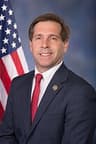 Charles Fleischmann
Republican · Tennessee