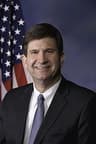
Bradley Schneider (D-IL)
Don’t Block LGBTQ Act of 2026
A Democratic bill with no cosponsors
Last activity — Referred to the House Committee on Energy and Commerce.
In committee
Introduced and handed to a committee in the chamber it started in.
The committee holds it, and most bills are never heard from again. A hearing or a committee vote would be news; silence is the usual outcome, and it kills the bill without anyone voting against it.
Its path through Congress
- Introduced
- In Committee
What this bill would do
This bill is called the Don't Block LGBTQ Act of 2026. It changes the Communications Act of 1934. The bill stops schools and public libraries from getting certain discount rates if they block internet access to lesbian, gay, bisexual, transgender, and queer resources. It makes sure that people can reach information related to homosexuality, bisexuality, transgender identity, and related topics. The bill specifically excludes certain visual depictions from this definition.
Yes· 3 of 7
- Scored +8
Would LGBTQ people be better off under this?
The legislation directly protects the LGBTQ community's access to relevant online resources and information in public institutions.
- Scored +7
Does this expand the rights of LGBTQ people?
The bill prohibits schools and public libraries receiving universal service support from blocking internet access to LGBTQ resources.
- Scored +6
Would children be better off under this?
Children and youth gain broader access to educational and identity-related information in schools and public libraries under the bill.
The opposite
No question was scored the opposite.
Who it would affect, and how
Potential Positive Impacts for People
- Section 2 prevents elementary schools, secondary schools, and public libraries from blocking internet access to lesbian, gay, bisexual, transgender, and queer resources if they want to receive certain discount rates. This is positive because it ensures individuals can access information related to sexual orientation, gender identity, and related topics without facing internet blocks.
Potential Negative Impacts for People
- Section 2 blocks elementary schools, secondary schools, and public libraries from receiving services at discount rates if they block internet access to lesbian, gay, bisexual, transgender, and queer resources. This could be considered a burden or negative consequence for schools and libraries that choose to maintain internet safety policies that restrict access to these specific resources, as they will lose their discount rates.
Groups and Interests Ranking
Every group the model scored this bill for, from -10 to +10. Tap or hover a score for the reason it gave.
- Demographic And Interest Groups
- Would LGBTQ people be better off under this? — The legislation directly protects the LGBTQ community's access to relevant online resources and information in public institutions. Would children be better off under this? — Children and youth gain broader access to educational and identity-related information in schools and public libraries under the bill. Would students be better off under this? — Students are protected from internet filtering that blocks LGBTQ resources in schools receiving universal service support. Would people in their twenties and thirties be better off under this? — Young adults benefit from unobstructed internet access to LGBTQ resources in public libraries and educational institutions.
- Social Issues And Justice
- Does this expand the rights of LGBTQ people? — The bill prohibits schools and public libraries receiving universal service support from blocking internet access to LGBTQ resources.
- Education And Technology
- Does this get reliable internet to more people? — The bill ensures that students and library patrons have unblocked internet access to LGBTQ-related resources in schools and public libraries.
- Governance And Ideology
- Does this protect the individual right to speak freely? — The legislation protects access to informational resources regarding sexual orientation and gender identity from being censored on school and library internet networks.
- 10/13/2026
- Referred to the House Committee on Energy and Commerce.
- Introduced in House
2 bills Congress.gov lists as related to this one — companions in the other chamber, earlier versions, and bills this one absorbed or was folded into.