
A Republican bill with 1 Democratic cosponsor · See the cosponsor
Last activity — Referred to the House Committee on Ways and Means.
In committee
Introduced and handed to a committee in the chamber it started in.
The committee holds it, and most bills are never heard from again. A hearing or a committee vote would be news; silence is the usual outcome, and it kills the bill without anyone voting against it.
Its path through Congress
- Introduced
- In Committee
What this bill would do
This bill is known as the Fair Play Enforcement Act. It aims to put a new tax on colleges and universities if they let certain individuals play in intercollegiate sports. The tax is based on a percentage of the school's gross athletic receipts. The applicable percentage of the tax goes up if the school commits more violations over a period of time. This text does not provide any further details or context beyond these tax rules.
Yes
- Scored +2
Does this raise the taxes companies pay?
The bill imposes a new excise tax on educational institutions that commit athletic participation violations.
- Scored +2
Does this give the federal government more power?
The bill expands federal tax enforcement authority by introducing a new excise tax administered by the Internal Revenue Service.
The opposite
- Scored -2
Does this put more money into public schools?
The bill imposes financial penalties via excise taxes on colleges and universities for athletic violations, which could impact institutional budgets.
- Scored -1
Would people in their twenties and thirties be better off under this?
The financial penalties on collegiate athletic programs could indirectly affect student-athletes and campus athletic opportunities.
- Scored -1
Would students be better off under this?
Imposing excise taxes on universities for athletic violations may negatively impact general student athletic and institutional resources.
Who it would affect, and how
Potential Positive Impacts for People
- Section 2 introduces a new excise tax on colleges and universities that knowingly allow specified individuals to participate in intercollegiate athletic events. This could be seen as positive because it holds schools accountable if they let individuals who have placed wagers on events or who have been employed by professional sports franchises play in college games.
Potential Negative Impacts for People
- Section 2 imposes a tax ranging from 5 percent to 20 percent of an educational institution's gross athletic receipts for athletic participation violations. This could be considered a negative burden because it financially penalizes schools based on their total athletic receipts, which could impact the broader athletic programs at those institutions.
Groups and Interests Ranking
Every group the model scored this bill for, from -10 to +10. Tap or hover a score for the reason it gave.
- Demographic And Interest Groups
- Would students be better off under this? — Imposing excise taxes on universities for athletic violations may negatively impact general student athletic and institutional resources. Would people in their twenties and thirties be better off under this? — The financial penalties on collegiate athletic programs could indirectly affect student-athletes and campus athletic opportunities.
- Economy And Finance
- Does this raise the taxes companies pay? — The bill imposes a new excise tax on educational institutions that commit athletic participation violations.
- Education And Technology
- Does this put more money into public schools? — The bill imposes financial penalties via excise taxes on colleges and universities for athletic violations, which could impact institutional budgets.
- Governance And Ideology
- Does this give the federal government more power? — The bill expands federal tax enforcement authority by introducing a new excise tax administered by the Internal Revenue Service.
- 10/6/2026
- Referred to the House Committee on Ways and Means.
- 1 Cosponsor added.
- Introduced in House
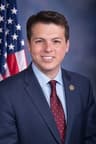 Brendan Boyle
Democrat · Pennsylvania