
Marie Perez (D-WA)
Veteran Owner-Builders Rights Act
A Democratic bill with 1 Republican cosponsor · See the cosponsor
Last activity — Referred to the Subcommittee on Economic Opportunity.
In committee
Introduced and handed to a committee in the chamber it started in.
The committee holds it, and most bills are never heard from again. A hearing or a committee vote would be news; silence is the usual outcome, and it kills the bill without anyone voting against it.
Its path through Congress
- Introduced
- In Committee
What this bill would do
This bill creates a pilot program run by the Secretary of Veterans Affairs to give direct housing loans to veterans in rural areas. These loans are specifically for buying land and building a new home to live in. The loans come with a one percent interest rate and require veterans to use specific blueprints and domestically sourced wood products. Veterans must agree to live in the home as their primary residence for at least 24 consecutive months. The bill also provides technical assistance and training for veterans taking part in the program.
Yes· 3 of 17
- Scored +8
Would veterans be better off under this, taking everything together?
The legislation directly aids veterans by offering low-interest housing construction loans, permit fee payments, and hands-on technical assistance in rural areas.
- Scored +7
Does this make housing cost less?
The bill establishes a direct housing loan program with a low 1 percent interest rate to help veterans build affordable new homes in rural areas.
- Scored +7
Does this increase the pay, pensions or support veterans receive?
The legislation creates a new direct loan and technical assistance pilot program specifically designed to help veterans build homes in rural areas.
The opposite
- Scored -2
Does this cut the pollution that drives climate change?
Encouraging new residential construction in rural areas can lead to increased land clearing and localized environmental disturbance.
- Scored -2
Does this reduce what the federal government spends?
The bill authorizes an appropriation of $5,000,000 for fiscal year 2027 to fund the pilot program for direct housing loans.
Who it would affect, and how
Potential Positive Impacts for People
-
Section 2(a) establishes a direct housing loan program for veterans in rural areas to purchase land and construct new homes. This gives veterans financial support to build their own residences.
-
Section 2(e)(2) requires the Secretary to pay the fee for construction permits that use the provided blueprints. This relieves veterans of the financial burden of paying permit fees.
-
Section 2(g) directs the Secretary to provide technical assistance, which may include training on construction and repair skills and help with permit applications. This ensures veterans receive hands-on support during the building process.
Potential Negative Impacts for People
- Section 2(h) requires loan acceleration, meaning the entire unpaid loan balance and accrued interest become immediately due and payable, if a veteran sells, transfers, or leases the home before finishing the required 24-month occupancy period. This could severely burden veterans who face unexpected life changes not covered by the listed exceptions.
Groups and Interests Ranking
Every group the model scored this bill for, from -10 to +10. Tap or hover a score for the reason it gave.
- Demographic And Interest Groups
- Would veterans be better off under this, taking everything together? — The legislation directly aids veterans by offering low-interest housing construction loans, permit fee payments, and hands-on technical assistance in rural areas. Would households on low incomes be better off under this? — The 1 percent interest rate and technical assistance provide substantial support for lower-income veterans striving to build homes. Would people in middle age be better off under this? — Middle-aged veterans looking to construct a primary residence in rural locations are primary beneficiaries of the pilot program. Would middle-income households be better off under this? — Middle-income veterans receive advantageous financing terms and fee waivers for constructing new primary residences. Would people in rural areas be better off under this? — The pilot program specifically encourages housing development and investment within designated rural areas. Would people in their twenties and thirties be better off under this? — Younger veterans seeking to establish a homestead or build their first home in rural areas benefit directly from the loan program. Would business owners be better off under this? — The mandate for domestic lumber and wood products provides direct business opportunities for domestic timber producers and suppliers. Would farmers be better off under this? — The bill's reliance on domestically sourced wood products supports domestic forestry and rural agricultural economies. Would people over 65 be better off under this? — Older veterans who qualify and wish to build a rural home can take advantage of the low-interest direct loans.
- Social Issues And Justice
- Does this make housing cost less? — The bill establishes a direct housing loan program with a low 1 percent interest rate to help veterans build affordable new homes in rural areas. Is this likely to reduce homelessness? — By providing accessible direct loans for home construction, the bill expands housing stability for participating veterans.
- National Security And Foreign Policy
- Does this increase the pay, pensions or support veterans receive? — The legislation creates a new direct loan and technical assistance pilot program specifically designed to help veterans build homes in rural areas.
- Environment Energy And Infrastructure
- Does this invest in rural communities? — The bill specifically invests in rural communities by providing housing loans and encouraging local construction and land purchase. Does this cut the pollution that drives climate change? — Encouraging new residential construction in rural areas can lead to increased land clearing and localized environmental disturbance.
- Economy And Finance
- Does this make it easier to run a small business? — The bill mandates the use of domestic lumber and wood products, supporting domestic timber and related small businesses. Is this likely to grow the economy? — The direct loan program stimulates local construction activity and housing development in rural areas. Does this reduce what the federal government spends? — The bill authorizes an appropriation of $5,000,000 for fiscal year 2027 to fund the pilot program for direct housing loans.
- Governance And Ideology
- Does this give the federal government more power? — The bill preempts state and local permit processing timelines by requiring permits using furnished blueprints to be issued within 45 days.
- Healthcare
- Does this help veterans get medical care? — While focused on housing, the bill provides targeted support and technical assistance that benefits the overall wellbeing of participating veterans.
- 10/14/2026
- Referred to the Subcommittee on Economic Opportunity.
- 9/24/2026
- Referred to the House Committee on Veterans' Affairs.
- 1 Cosponsor added.
- Introduced in House
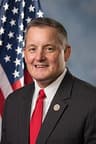 Bruce Westerman
Republican · Arkansas