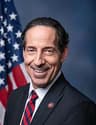
A Democratic bill with 1 Republican cosponsor · See all 3 cosponsors
Last activity — Referred to the House Committee on Oversight and Government Reform.
In committee
Introduced and handed to a committee in the chamber it started in.
The committee holds it, and most bills are never heard from again. A hearing or a committee vote would be news; silence is the usual outcome, and it kills the bill without anyone voting against it.
Its path through Congress
- Introduced
- In Committee
What this bill would do
This bill is called the Cannabis Users' Restoration of Eligibility Act or the CURE Act. It was introduced to limit bad security clearance and job suitability decisions based on past marijuana use. The bill amends the Intelligence Reform and Terrorism Prevention Act of 2004. It stops the past use of marijuana from being used to decide if someone is eligible for a security clearance or suitable for federal employment. It also requires federal agencies to review past denials made on or after January 1, 2008, if requested by an individual.
Yes· 3 of 5
- Scored +5
Does this make what the government does easier for the public to see?
The bill requires federal agencies to make their review processes for past security clearance denials publicly available on their websites.
- Scored +4
Would people in their twenties and thirties be better off under this?
Young adults, who have higher rates of cannabis use, benefit from being able to obtain federal jobs and security clearances despite past use.
- Scored +3
Would middle-income households be better off under this?
Access to federal employment opportunities improves economic mobility and security for middle-income households.
The opposite
No question was scored the opposite.
Who it would affect, and how
Potential Positive Impacts for People
-
Section 2 amends the law so that past use of marijuana cannot be used to determine if a person is eligible for a security clearance or suitable for federal employment. This is a positive step because it stops people from being blocked from jobs and clearances just because they used marijuana in the past.
-
Section 2 requires each federal agency to set up a process to review past decisions made on or after January 1, 2008, that denied someone a security clearance or federal employment due to an adverse suitability determination. This gives people a chance to have past unfair denials looked at again.
-
Section 2 states that agencies must make their review process publicly available on their website and must reconsider a denial within 90 days of receiving a request from an individual if the denial was based solely on past marijuana use. This holds officials accountable and gives folks a clear way to seek relief.
Potential Negative Impacts for People
- The provided text does not contain any specific sections or provisions that outline negative consequences or burdens for individuals or groups of people in the United States.
Groups and Interests Ranking
Every group the model scored this bill for, from -10 to +10. Tap or hover a score for the reason it gave.
- Demographic And Interest Groups
- Would people in their twenties and thirties be better off under this? — Young adults, who have higher rates of cannabis use, benefit from being able to obtain federal jobs and security clearances despite past use. Would middle-income households be better off under this? — Access to federal employment opportunities improves economic mobility and security for middle-income households. Would veterans be better off under this, taking everything together? — Veterans seeking federal employment or security clearances will no longer be disqualified solely due to past marijuana use.
- Governance And Ideology
- Does this make what the government does easier for the public to see? — The bill requires federal agencies to make their review processes for past security clearance denials publicly available on their websites.
- Economy And Finance
- Is this likely to create jobs? — The bill opens up federal employment opportunities for individuals who were previously disqualified solely due to past marijuana use.
- 11/9/2026
- 1 Cosponsor added.
- 9/24/2026
- 1 Cosponsor added.
- 9/17/2026
- Referred to the House Committee on Oversight and Government Reform.
- 1 Cosponsor added.
- Introduced in House
One bill Congress.gov lists as related to this one — companions in the other chamber, earlier versions, and bills this one absorbed or was folded into.
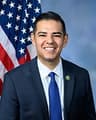 Robert Garcia
Democrat · California
 Zoe Lofgren
Democrat · California
 Zachary Nunn
Republican · Iowa