A Democratic bill with 8 Democratic cosponsors · See all 8 cosponsors
Last activity — Referred to the Committee on the Judiciary, and in addition to the Committee on Rules, for a period to be subsequently determined by the Speaker, in each case for consideration of such provisions as fall within the jurisdiction of the committee concerned.
In committee
Introduced and handed to a committee in the chamber it started in.
The committee holds it, and most bills are never heard from again. A hearing or a committee vote would be news; silence is the usual outcome, and it kills the bill without anyone voting against it.
Its path through Congress
- Introduced
- In Committee
What this bill would do
The bill, known as the Protect Our Polls Act, addresses the rules regarding troops or armed persons at polling places. It sets up a strict notification and congressional approval process before any troops or armed persons can be sent to an election place to repel armed enemies. The legislation requires the head of the agency in charge to submit a detailed report to congressional leaders at least 48 hours before any deployment. It also outlines expedited procedures for Congress to review and vote on a joint resolution to authorize the use of troops. Additionally, the bill places conditions on the availability of funds for the armed forces and executive agencies regarding access to certain election records and papers. Finally, it includes a rule of construction to protect the voting rights of members of the armed forces and individuals under executive agency control.
Yes· 3 of 6
- Scored +7
Does this make what the government does easier for the public to see?
The legislation mandates detailed unclassified reporting and briefings to congressional leaders prior to any armed deployment at an election site.
- Scored +6
Does this protect the right to vote?
The bill enhances oversight of armed deployments at polling places and protects service members' voting rights.
- Scored +5
Does this make casting a ballot easier in practice?
By regulating and adding oversight to armed personnel near election sites, it helps ensure voters can cast ballots without intimidation.
The opposite
No question was scored the opposite.
Who it would affect, and how
Potential Positive Impacts for People
-
Ensures Oversight and Accountability: Section 3 creates a mandatory notification requirement and an expedited congressional review process before troops or armed persons can be sent to polling places. This provision holds elected officials and government agencies accountable by requiring explicit congressional approval and transparency regarding any military presence near voters.
-
Protects Voting Rights of Service Members: Section 4 ensures that members of the armed forces and individuals under executive agency control maintain their right to vote in their local districts, provided they are otherwise qualified under state laws. This protects the individual voting rights of those serving in uniform.
Potential Negative Impacts for People
- Delays in Emergency Response: Section 3 requires a 48-hour notification period and an expedited congressional review and voting process before troops or armed persons can be sent to polling places to repel armed enemies. This potential delay could create burdens if rapid protection is genuinely needed to secure an election from armed threats.
Groups and Interests Ranking
Every group the model scored this bill for, from -10 to +10. Tap or hover a score for the reason it gave.
- Social Issues And Justice
- Does this protect the right to vote? — The bill enhances oversight of armed deployments at polling places and protects service members' voting rights. Does this put more limits on buying or owning guns? — The legislation places strict procedural limits on the deployment of armed personnel at polling locations. Does this make casting a ballot easier in practice? — By regulating and adding oversight to armed personnel near election sites, it helps ensure voters can cast ballots without intimidation.
- Governance And Ideology
- Does this make what the government does easier for the public to see? — The legislation mandates detailed unclassified reporting and briefings to congressional leaders prior to any armed deployment at an election site. Does this give the federal government more power? — The bill establishes new federal statutory requirements and congressional review procedures for troop deployments at polling places.
- Demographic And Interest Groups
- Would veterans be better off under this, taking everything together? — The bill explicitly protects the voting rights of members of the armed forces.
- 10/29/2026
- 1 Cosponsor added.
- 10/1/2026
- 2 Cosponsors added.
- 9/17/2026
- Referred to the Committee on the Judiciary, and in addition to the Committee on Rules, for a period to be subsequently determined by the Speaker, in each case for consideration of such provisions as fall within the jurisdiction of the committee concerned.
- 5 Cosponsors added.
- Introduced in House
One bill Congress.gov lists as related to this one — companions in the other chamber, earlier versions, and bills this one absorbed or was folded into.
 Salud Carbajal
Democrat · California
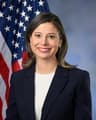 Maggie Goodlander
Democrat · New Hampshire
 Eleanor Norton
Democrat · District of Columbia
 Jimmy Panetta
Democrat · California
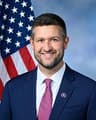 Patrick Ryan
Democrat · New York
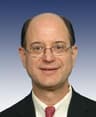 Brad Sherman
Democrat · California
 Derek Tran
Democrat · California
 George Whitesides
Democrat · California