
J. Hill (R-AR)
Small Business Audit Correction Act of 2026
A Republican bill with 1 Republican cosponsor · See the cosponsor
Last activity — Referred to the House Committee on Financial Services.
In committee
Introduced and handed to a committee in the chamber it started in.
The committee holds it, and most bills are never heard from again. A hearing or a committee vote would be news; silence is the usual outcome, and it kills the bill without anyone voting against it.
Its path through Congress
- Introduced
- In Committee
What this bill would do
This bill is known as the Small Business Audit Correction Act of 2026. It amends the Sarbanes-Oxley Act of 2002 to exclude certain businesses from specific audit requirements under title I of that Act. Specifically, the exemption applies to privately held, non-carrying brokers and dealers that are in good standing. The legislation also requires the Securities and Exchange Commission and the Public Company Accounting Oversight Board to update their regulations to match this new exemption within 180 days. Finally, the bill ensures that these excluded entities must still use qualified and independent auditors and continue filing required exemption reports.
Yes
- Scored +5
Would business owners be better off under this?
The bill eases regulatory and compliance costs for owners of qualifying small broker-dealers.
- Scored +5
Does this make it easier to run a small business?
The bill reduces regulatory and audit burdens for eligible privately held, non-carrying small broker-dealers.
The opposite
No question was scored the opposite.
Who it would affect, and how
Potential Positive Impacts for People
- Section 2: This section exempts privately held, non-carrying brokers and dealers in good standing from certain audit requirements under title I of the Sarbanes-Oxley Act of 2002. This might be considered positive because it could reduce regulatory burdens and compliance costs for qualifying small businesses and privately held firms.
Potential Negative Impacts for People
- Section 2: By excluding certain privately held, non-carrying brokers and dealers from specific audit requirements under title I of the Sarbanes-Oxley Act of 2002, oversight of these entities is reduced. This might be considered a negative burden or consequence for the public because it removes certain standard federal audit checks for these specific firms, even though they must still meet other general auditing standards and filing rules.
Groups and Interests Ranking
Every group the model scored this bill for, from -10 to +10. Tap or hover a score for the reason it gave.
- Demographic And Interest Groups
- Would business owners be better off under this? — The bill eases regulatory and compliance costs for owners of qualifying small broker-dealers.
- Economy And Finance
- Does this make it easier to run a small business? — The bill reduces regulatory and audit burdens for eligible privately held, non-carrying small broker-dealers.
- 9/24/2026
- 1 Cosponsor added.
- 9/17/2026
- Referred to the House Committee on Financial Services.
- Introduced in House
One bill Congress.gov lists as related to this one — companions in the other chamber, earlier versions, and bills this one absorbed or was folded into.
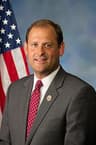 Andy Barr
Republican · Kentucky