
A Democratic bill with 6 Democratic cosponsors · See all 6 cosponsors
Last activity — Referred to the House Committee on Education and Workforce.
In committee
Introduced and handed to a committee in the chamber it started in.
The committee holds it, and most bills are never heard from again. A hearing or a committee vote would be news; silence is the usual outcome, and it kills the bill without anyone voting against it.
Its path through Congress
- Introduced
- In Committee
What this bill would do
This bill creates a competitive grant program to help improve the English language and literacy skills of English language learners and their families. It provides federal funding to eligible family literacy providers who offer services designed for both children and caregivers in these families. The program prioritizes families with the greatest economic, educational, and social needs. It also requires training, technical assistance, and annual evaluations to ensure the grants are used effectively. Additionally, the legislation authorizes $75 million to be appropriated for each of fiscal years 2027 through 2031.
Yes· 3 of 11
- Scored +8
Would immigrants be better off under this?
The legislation is specifically designed to improve the English language, literacy skills, and economic advancement of immigrant families.
- Scored +7
Would households on low incomes be better off under this?
Grant providers are required to prioritize English language learners with the greatest economic, educational, and social need.
- Scored +6
Would children be better off under this?
The program supports early literacy and developmental skills for children who are English language learners.
The opposite
- Scored -2
Does this reduce what the federal government spends?
The bill authorizes an appropriation of $75,000,000 annually for fiscal years 2027 through 2031, increasing federal spending.
Who it would affect, and how
Potential Positive Impacts for People
-
Section 4 establishes a competitive grant program for family literacy providers, which can benefit individuals and families by expanding access to educational services designed to improve their English language and literacy skills.
-
Section 4(c)(1) ensures that grant services are prioritized for English language learners who have the greatest economic, educational, and social needs, directing help to those who need it most.
-
Section 6 outlines culturally appropriate outcome measures, which can help caregivers improve their life skills, workforce preparedness, and ability to partner with their children's schools, ultimately supporting better educational outcomes for children.
Potential Negative Impacts for People
- Section 9 authorizes the appropriation of $75 million annually from 2027 through 2031, which places a financial burden on taxpayers to fund the grant program and associated administrative costs.
Groups and Interests Ranking
Every group the model scored this bill for, from -10 to +10. Tap or hover a score for the reason it gave.
- Demographic And Interest Groups
- Would immigrants be better off under this? — The legislation is specifically designed to improve the English language, literacy skills, and economic advancement of immigrant families. Would households on low incomes be better off under this? — Grant providers are required to prioritize English language learners with the greatest economic, educational, and social need. Would children be better off under this? — The program supports early literacy and developmental skills for children who are English language learners. Would students be better off under this? — Student participants benefit from enhanced early language and literacy instruction grounded in the science of reading. Would Hispanic Americans be better off under this? — Hispanic Americans, who comprise a large portion of English language learners, stand to benefit significantly from targeted literacy and educational programs. Would people in middle age be better off under this? — Middle-aged caregivers receive targeted support to improve their literacy, English proficiency, and career readiness. Would people in their twenties and thirties be better off under this? — Young adult caregivers benefit from English language acquisition, life skills, and workforce training programs. Would Asian Americans be better off under this? — Asian American English language learners and their families are eligible for and stand to benefit from the expanded literacy services.
- Education And Technology
- Does this put more money into public schools? — The legislation establishes a competitive grant program providing millions in funding for family literacy and educational services.
- Social Issues And Justice
- Is this likely to lift people out of poverty? — The Act aims to improve economic advancement and workforce preparedness for families with English language learners.
- Governance And Ideology
- Does this make what the government does easier for the public to see? — The bill mandates annual evaluations and reports to Congress regarding program effectiveness and technical assistance.
- Economy And Finance
- Does this reduce what the federal government spends? — The bill authorizes an appropriation of $75,000,000 annually for fiscal years 2027 through 2031, increasing federal spending.
- 10/26/2026
- 1 Cosponsor added.
- 9/24/2026
- 2 Cosponsors added.
- 9/16/2026
- Referred to the House Committee on Education and Workforce.
- 3 Cosponsors added.
- Introduced in House
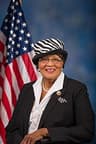 Alma Adams
Democrat · North Carolina
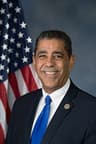 Adriano Espaillat
Democrat · New York
 Eleanor Norton
Democrat · District of Columbia
 Melanie Stansbury
Democrat · New Mexico
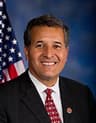 Juan Vargas
Democrat · California
 Frederica Wilson
Democrat · Florida