
A Democratic bill with 1 Democratic cosponsor · See the cosponsor
Last activity — Referred to the Committee on Energy and Commerce, and in addition to the Committee on Ways and Means, for a period to be subsequently determined by the Speaker, in each case for consideration of such provisions as fall within the jurisdiction of the committee concerned.
In committee
Introduced and handed to a committee in the chamber it started in.
The committee holds it, and most bills are never heard from again. A hearing or a committee vote would be news; silence is the usual outcome, and it kills the bill without anyone voting against it.
Its path through Congress
- Introduced
- In Committee
What this bill would do
The bill, known as the Community Health Worker Access Act, amends the Social Security Act to increase access to community health services under both Medicare and Medicaid programs. It adds coverage for community health services under Medicare Part B starting on January 1, 2027. The legislation provides clear definitions for community health services, applicable providers, and community health agencies. Additionally, it gives states a Medicaid option to support the community health workforce starting on January 1, 2027. The bill also establishes payment amounts, waives deductibles for Medicare community health services, and provides an increased Federal medical assistance percentage for states participating in the Medicaid option.
Yes· 3 of 17
- Scored +7
Does this make health care easier to get in general?
The legislation significantly expands access to preventive care and social determinants of health services under Medicare and Medicaid.
- Scored +6
Would people over 65 be better off under this?
The bill expands Medicare Part B coverage to include community health services and waives associated deductibles for seniors.
- Scored +6
Would households on low incomes be better off under this?
The legislation provides a Medicaid option to support community health workers and address social determinants of health for low-income populations.
The opposite
No question was scored the opposite.
Who it would affect, and how
Potential Positive Impacts for People
-
Section 2 adds coverage for community health services under Medicare Part B, which can help individuals receive preventive care, chronic condition support, and help with social determinants of health.
-
Section 2 waives the Medicare deductible for community health services, ensuring that patients do not have to pay that specific out-of-pocket cost to access these services.
-
Section 3 provides states with a Medicaid option to support community health workers, promotoras, and community health representatives, which can help individuals access local health and social support services.
-
Section 3 increases the Federal medical assistance percentage by 6 percentage points for states that spend money on medical assistance for preventive and social determinant services furnished by these workers, which can encourage states to fund these programs for the people.
-
Section 2 ensures that community health agencies employ workers who share lived experiences with the community and provide market wage compensation, professional development, and safe work practices.
Potential Negative Impacts for People
- The provided text does not contain any specific provisions outlining potential negative impacts or burdens for individuals or groups of people in the United States.
Groups and Interests Ranking
Every group the model scored this bill for, from -10 to +10. Tap or hover a score for the reason it gave.
- Demographic And Interest Groups
- Would households on low incomes be better off under this? — The legislation provides a Medicaid option to support community health workers and address social determinants of health for low-income populations. Would retired people be better off under this? — Medicare beneficiaries gain expanded access to preventive care and chronic condition management without deductible barriers. Would people over 65 be better off under this? — The bill expands Medicare Part B coverage to include community health services and waives associated deductibles for seniors. Would Hispanic Americans be better off under this? — The bill explicitly integrates promotoras to provide culturally tailored health and social support within Spanish-speaking communities. Would Black Americans be better off under this? — Culturally specific community health services and outreach help bridge healthcare gaps for minority populations. Would immigrants be better off under this? — The inclusion of in-language and culturally specific support services helps immigrants navigate the health and social service systems. Would Native Americans be better off under this? — The bill includes specific provisions for urban Indian organizations and community health representatives to serve tribal communities. Would people in rural areas be better off under this? — Rural health clinics and rural communities benefit from the inclusion and support of community health workers and agencies.
- Healthcare
- Does this make health care easier to get in general? — The legislation significantly expands access to preventive care and social determinants of health services under Medicare and Medicaid. Does this put more money into Medicaid, the health coverage for people on low incomes? — The bill provides a state Medicaid option to support community health workers with an increased Federal medical assistance percentage. Does this put more money into Medicare, the health coverage for people over 65? — The bill adds coverage for community health services under Medicare Part B and waives deductibles for these services. Does this make mental health care easier to get? — Community health services covered by the bill include behavioral health support and connection to preventive care. Does this do more about addiction and overdose deaths? — Community health services under the bill include support for chronic conditions and behavioral health conditions.
- Social Issues And Justice
- Is this likely to lift people out of poverty? — Services to address social determinants of health include linkage to resources alleviating financial strain, food, housing, and employment services. Does this narrow racial gaps in how people are treated? — The bill emphasizes culturally specific and in-language support services delivered by workers sharing lived experiences with underserved communities. Is this likely to reduce homelessness? — The bill funds services addressing social determinants of health, explicitly including linkage to housing resources.
- Economy And Finance
- Is this likely to create jobs? — The bill creates new opportunities and workforce support for community health workers, promotoras, and community health representatives.
- 9/16/2026
- Referred to the Committee on Energy and Commerce, and in addition to the Committee on Ways and Means, for a period to be subsequently determined by the Speaker, in each case for consideration of such provisions as fall within the jurisdiction of the committee concerned.
- 1 Cosponsor added.
- Introduced in House
One bill Congress.gov lists as related to this one — companions in the other chamber, earlier versions, and bills this one absorbed or was folded into.
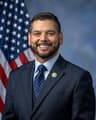 Raul Ruiz
Democrat · California