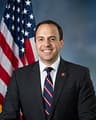
A Republican bill with 4 Republican cosponsors · See all 4 cosponsors
Last activity — Referred to the Committee on Energy and Commerce, and in addition to the Committee on the Judiciary, for a period to be subsequently determined by the Speaker, in each case for consideration of such provisions as fall within the jurisdiction of the committee concerned.
In committee
Introduced and handed to a committee in the chamber it started in.
The committee holds it, and most bills are never heard from again. A hearing or a committee vote would be news; silence is the usual outcome, and it kills the bill without anyone voting against it.
Its path through Congress
- Introduced
- In Committee
What this bill would do
This bill is known as the End Gas Station Heroin Act. It amends the Controlled Substances Act to schedule MGM-15 and MGM-16 as Schedule I controlled substances. The bill also schedules synthetic 7-hydroxymitragynine and mitragynine pseudoindoxyl as Schedule I substances when they are above a specific threshold. Additionally, the legislation expands enforcement actions against drug manufacturers and distributors of emerging synthetic opioids.
Yes· 3 of 9
- Scored +7
Does this do more about addiction and overdose deaths?
Targets the commercial distribution of potent synthetic opioids to reduce public health risks.
- Scored +5
Would children be better off under this?
Reduces the availability of dangerous synthetic opioids in commercial channels.
- Scored +5
Would people in their twenties and thirties be better off under this?
Reduces the availability of dangerous synthetic opioids in commercial channels.
The opposite
- Scored -3
Would business owners be better off under this?
Imposes strict penalties on manufacturers and distributors of specific synthetic compounds.
- Scored -2
Does this make it easier to run a small business?
Increases legal risks for businesses selling products containing specific synthetic kratom alkaloids.
Who it would affect, and how
Potential Positive Impacts for People
-
Protection from synthetic opioid manufacturing: Section 3(a) and Section 3(d) treat covered emerging synthetic opioids as Schedule I controlled substances for the purpose of prohibiting and enforcing against their knowing or intentional manufacture, distribution, or possession with intent to manufacture or distribute, which could help protect people from dangerous emerging drugs.
-
Protection for simple possession: Section 3(b) and Section 3(e) ensure that no person is subject to criminal or civil enforcement based solely on the purchase, receipt, simple possession, or personal use of a covered emerging synthetic opioid, protecting everyday individuals from being jailed just for personal consumption.
Potential Negative Impacts for People
- Burdens on specific substances: Section 2 places restrictions and schedules 7-hydroxymitragynine and mitragynine pseudoindoxyl under Schedule I if they exceed specific concentration thresholds or are produced through manufacturing processes, which could heavily burden businesses and consumers who rely on these specific substances.
Groups and Interests Ranking
Every group the model scored this bill for, from -10 to +10. Tap or hover a score for the reason it gave.
- Demographic And Interest Groups
- Would children be better off under this? — Reduces the availability of dangerous synthetic opioids in commercial channels. Would people in their twenties and thirties be better off under this? — Reduces the availability of dangerous synthetic opioids in commercial channels. Would households on low incomes be better off under this? — Aims to reduce the prevalence of 'gas station heroin' often marketed in lower-income areas. Would people in rural areas be better off under this? — Targeting commercial distribution of synthetic opioids in rural retail settings. Would people in cities be better off under this? — Targeting commercial distribution of synthetic opioids in urban retail settings. Would business owners be better off under this? — Imposes strict penalties on manufacturers and distributors of specific synthetic compounds.
- Healthcare
- Does this do more about addiction and overdose deaths? — Targets the commercial distribution of potent synthetic opioids to reduce public health risks.
- Governance And Ideology
- Does this give the federal government more power? — Expands federal authority to schedule and enforce against emerging synthetic opioids. Does this protect the right to fair treatment by the courts? — Explicitly prohibits criminal enforcement for simple possession or personal use of covered emerging opioids.
- Economy And Finance
- Does this give people more protection from unfair business practices? — Aims to protect consumers from potent, unregulated synthetic opioids marketed at gas stations. Does this make it easier to run a small business? — Increases legal risks for businesses selling products containing specific synthetic kratom alkaloids.
- 9/24/2026
- 1 Cosponsor added.
- 9/16/2026
- 1 Cosponsor added.
- 9/10/2026
- 1 Cosponsor added.
- 9/4/2026
- 1 Cosponsor added.
- 9/3/2026
- Referred to the Committee on Energy and Commerce, and in addition to the Committee on the Judiciary, for a period to be subsequently determined by the Speaker, in each case for consideration of such provisions as fall within the jurisdiction of the committee concerned.
- Introduced in House
One bill Congress.gov lists as related to this one — companions in the other chamber, earlier versions, and bills this one absorbed or was folded into.
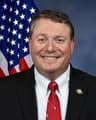 Randy Fine
Republican · Florida
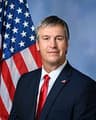 Barry Moore
Republican · Alabama
 Mariannette Miller-Meeks
Republican · Iowa
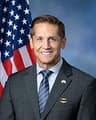 Richard McCormick
Republican · Georgia