
A Democratic bill with 3 Republican cosponsors · See all 4 cosponsors
Last activity — Referred to the House Committee on the Judiciary.
In committee
Introduced and handed to a committee in the chamber it started in.
The committee holds it, and most bills are never heard from again. A hearing or a committee vote would be news; silence is the usual outcome, and it kills the bill without anyone voting against it.
Its path through Congress
- Introduced
- In Committee
What this bill would do
The "Stop Auto Fraud Act of 2026" amends title 18 of the United States Code to create a new offense for motor vehicle collision fraud. It targets people who knowingly scheme to stage or simulate accidents to submit fraudulent insurance claims for things like medical treatment, repairs, or lost wages. Penalties include fines and imprisonment, with longer sentences if the fraud causes serious injury or death. Any fines collected from these crimes will be put into the Highway Trust Fund.
Yes· 3 of 7
- Scored +3
Does this give people more protection from unfair business practices?
Reduces insurance fraud which can lead to lower premiums for law-abiding consumers.
- Scored +3
Does this repair or build roads and bridges?
Deposits fines into the Highway Trust Fund to support infrastructure.
- Scored +2
Does this lower what people pay for private health insurance?
Targeting insurance fraud helps reduce the costs passed on to policyholders.
The opposite
- Scored -2
Does this leave more decisions to the states?
Increases federal jurisdiction over an area typically handled by state law.
Who it would affect, and how
Potential Positive Impacts for People
-
Criminal Penalties for Fraud: Section 2(a)(1) establishes prison time and fines for those who stage accidents for insurance money, which holds fraudsters accountable.
-
Increased Penalties for Severe Harm: Section 2(a)(1) provides for up to 20 years in prison for serious bodily injury and potential life imprisonment if the fraud results in death.
-
Funding for Infrastructure: Section 2(b) requires that fines collected from these offenses be deposited into the Highway Trust Fund.
Potential Negative Impacts for People
- No negative impacts for individuals or groups are explicitly mentioned in the provided text.
Groups and Interests Ranking
Every group the model scored this bill for, from -10 to +10. Tap or hover a score for the reason it gave.
- Economy And Finance
- Does this give people more protection from unfair business practices? — Reduces insurance fraud which can lead to lower premiums for law-abiding consumers. Does this make the government pay for what it commits to? — Directs penalty revenue toward critical infrastructure funding. Does this reduce what the federal government owes? — Fines collected from fraud convictions are deposited into the Highway Trust Fund.
- Environment Energy And Infrastructure
- Does this repair or build roads and bridges? — Deposits fines into the Highway Trust Fund to support infrastructure.
- Healthcare
- Does this lower what people pay for private health insurance? — Targeting insurance fraud helps reduce the costs passed on to policyholders.
- Demographic And Interest Groups
- Would middle-income households be better off under this? — Potential for lower insurance costs by reducing systemic fraud.
- Governance And Ideology
- Does this give the federal government more power? — Creates a new federal offense under title 18. Does this leave more decisions to the states? — Increases federal jurisdiction over an area typically handled by state law.
- 10/6/2026
- 1 Cosponsor added.
- 9/3/2026
- Referred to the House Committee on the Judiciary.
- 3 Cosponsors added.
- Introduced in House
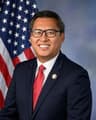 Vince Fong
Republican · California
 Josh Gottheimer
Democrat · New Jersey
 Michael Lawler
Republican · New York
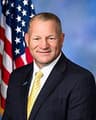 Troy Nehls
Republican · Texas