
A Republican bill with 1 Democratic cosponsor · See all 8 cosponsors
Last activity — Referred to the House Committee on Oversight and Government Reform.
In committee
Introduced and handed to a committee in the chamber it started in.
The committee holds it, and most bills are never heard from again. A hearing or a committee vote would be news; silence is the usual outcome, and it kills the bill without anyone voting against it.
Its path through Congress
- Introduced
- In Committee
What this bill would do
This bill is known as the Flock-Off Act. It stops the use of Federal funds for covered camera systems and associated components. Government agencies must remove these camera systems within 180 days of the Act being enacted. Recipients and subrecipients of Federal funds must also stop operating these camera systems and end related contracts within 180 days. There are specific exceptions included in the text for border security and toll collection.
Yes· 3 of 34
- Scored +9
Does this protect people from being watched or searched?
Strongly protects citizens from federal spending on automated biometric and vehicle tracking.
- Scored +7
Does this give people more control over their personal data?
Prohibits federal funding for systems that collect and transmit biometric and license plate data.
- Scored +6
Would Black Americans be better off under this?
Mitigates the impact of potentially biased biometric and surveillance technologies.
The opposite
- Scored -8
Does this give the government more power to monitor people inside the country?
Explicitly prohibits federal funding for automated surveillance and biometric data collection.
- Scored -3
Does this leave more decisions to the states?
Constrains how state and local governments can use federal grants for surveillance.
- Scored -2
Would business owners be better off under this?
May negatively impact companies that provide surveillance technology to the government.
Who it would affect, and how
Potential Positive Impacts for People
-
Section 2(a)(1): This section prohibits the use of Federal funds to purchase, lease, install, maintain, or operate covered camera systems and associated components. This might be considered positive because it stops taxpayer money from going toward these specific camera technologies and data-sharing agreements.
- Section 2(a)(2): This requires government agencies, recipients, and subrecipients to decommission and remove covered camera systems or cease operating them within 180 days. This might be considered positive as it enforces a clear deadline to stop the use of these systems funded by Federal programs.
Potential Negative Impacts for People
- Section 2(a)(2)(C): If a recipient or subrecipient uses Federal funds in violation of the prohibition, the agency providing the funds must withhold further Federal funds until the full amount is reimbursed to the United States Treasury. This might be considered a negative burden because withholding Federal funds could impact other operations or programs managed by that recipient or subrecipient until the money is fully paid back.
Groups and Interests Ranking
Every group the model scored this bill for, from -10 to +10. Tap or hover a score for the reason it gave.
- Demographic And Interest Groups
- Would Black Americans be better off under this? — Mitigates the impact of potentially biased biometric and surveillance technologies. Would Asian Americans be better off under this? — Mitigates the impact of potentially biased biometric and surveillance technologies. Would Hispanic Americans be better off under this? — Mitigates the impact of potentially biased biometric and surveillance technologies. Would Native Americans be better off under this? — Mitigates the impact of potentially biased biometric and surveillance technologies. Would white Americans be better off under this? — Protects general privacy from government automated tracking. Would people in rural areas be better off under this? — Protects privacy from automated government tracking. Would people in cities be better off under this? — Most impact felt in cities where these camera systems are most densely deployed. Would billionaires be better off under this? — Protects privacy from government automated tracking. Would high-income households be better off under this? — Protects privacy from government automated tracking. Would people with substantial wealth be better off under this? — Protects privacy from government automated tracking. Would households on low incomes be better off under this? — Reduces the likelihood of pervasive surveillance in lower-income areas. Would middle-income households be better off under this? — Protects privacy from government automated tracking. Would the very wealthiest people be better off under this? — Protects privacy from government automated tracking. Would children be better off under this? — Increases privacy protections for children by limiting biometric surveillance. Would LGBTQ people be better off under this? — Enhances privacy through the restriction of biometric data collection. Would men be better off under this? — Enhances privacy through the restriction of biometric data collection. Would people in middle age be better off under this? — Increases privacy protections for adults by limiting biometric surveillance. Would people with disabilities be better off under this? — Increases privacy protections by limiting biometric data collection. Would retired people be better off under this? — Enhances privacy through the restriction of biometric data collection. Would people over 65 be better off under this? — Increases privacy protections for seniors by limiting biometric surveillance. Would students be better off under this? — Enhances privacy on campuses if federal funds were used for such systems. Would women be better off under this? — Enhances privacy through the restriction of biometric data collection. Would people in their twenties and thirties be better off under this? — Increases privacy protections for young adults by limiting biometric surveillance. Would immigrants be better off under this? — Protects against general domestic surveillance, though border exceptions remain. Would business owners be better off under this? — May negatively impact companies that provide surveillance technology to the government.
- Education And Technology
- Does this give people more control over their personal data? — Prohibits federal funding for systems that collect and transmit biometric and license plate data. Does this put more rules on large technology companies? — Limits the government's ability to contract for cloud-based biometric and license plate processing services.
- Governance And Ideology
- Does this protect people from being watched or searched? — Strongly protects citizens from federal spending on automated biometric and vehicle tracking. Does this make what the government does easier for the public to see? — Reduces the use of opaque automated surveillance systems funded by taxpayers. Does this give the federal government more power? — Allows the federal government to withhold funds from states that do not comply with the ban. Does this leave more decisions to the states? — Constrains how state and local governments can use federal grants for surveillance.
- Social Issues And Justice
- Does this change how police departments operate? — Restricts the use of automated license plate and biometric surveillance tools by law enforcement. Does this narrow racial gaps in how people are treated? — Reduces the potential for biased automated surveillance and biometric tracking.
- National Security And Foreign Policy
- Does this give the government more power to monitor people inside the country? — Explicitly prohibits federal funding for automated surveillance and biometric data collection.
- Economy And Finance
- Does this reduce what the federal government spends? — Bans federal expenditures for the purchase and operation of covered camera systems. Does this make the government pay for what it commits to? — Requires reimbursement of federal funds used in violation of the act. Does this reduce what the federal government owes? — Prohibits spending of federal funds on specific surveillance systems.
- 9/14/2026
- 1 Cosponsor added.
- 9/3/2026
- 1 Cosponsor added.
- 9/2/2026
- Referred to the House Committee on Oversight and Government Reform.
- 6 Cosponsors added.
- Introduced in House
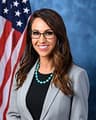 Lauren Boebert
Republican · Colorado
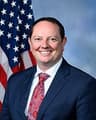 Eric Burlison
Republican · Missouri
 Paul Gosar
Republican · Arizona
 Pat Harrigan
Republican · North Carolina
 Mark Harris
Republican · North Carolina
 Ro Khanna
Democrat · California
 Chip Roy
Republican · Texas
 Victoria Spartz
Republican · Indiana