
Bradley Schneider (D-IL)
Banning Antiquated Duties and Delivering Equitable American Levies (BAD DEAL) Act of 2026
A Democratic bill with 10 Democratic cosponsors · See all 10 cosponsors
Last activity — Referred to the House Committee on Ways and Means.
In committee
Introduced and handed to a committee in the chamber it started in.
The committee holds it, and most bills are never heard from again. A hearing or a committee vote would be news; silence is the usual outcome, and it kills the bill without anyone voting against it.
Its path through Congress
- Introduced
- In Committee
What this bill would do
This bill is known as the Banning Antiquated Duties and Delivering Equitable American Levies (BAD DEAL) Act of 2026. It completely gets rid of section 338 of the Tariff Act of 1930. The legislation also cancels any Presidential proclamations that were made using that specific section. Furthermore, the President must provide a refund for any tariffs or other duties that were collected because of those cancelled proclamations.
Yes· 3 of 12
- Scored +3
Does this cut taxes for small businesses?
The refund of duties could lower costs for small businesses affected by previous tariffs.
- Scored +3
Does this make it easier to run a small business?
Businesses that paid specific duties under section 338 will receive refunds.
- Scored +3
Does this make trade with other countries easier?
Repealing these specific duties facilitates a more open international trade environment.
The opposite
- Scored -2
Does this reduce what the federal government owes?
The mandate to refund collected duties could increase government spending/deficit in the short term.
- Scored -2
Does this give the federal government more power?
The bill reduces the President's discretionary power to impose certain tariffs.
Who it would affect, and how
Potential Positive Impacts for People
- Refunds on Tariffs: Section 2(b) requires the President to issue refunds for any tariffs or other duties that were collected based on Presidential proclamations made under section 338 of the Tariff Act of 1930. This is positive because people or groups who paid these specific tariffs will get their money back.
Potential Negative Impacts for People
- No Negative Impacts Found: Based strictly on the provided text, there are no specific negative impacts or burdens for individuals or groups mentioned in the bill.
Groups and Interests Ranking
Every group the model scored this bill for, from -10 to +10. Tap or hover a score for the reason it gave.
- Economy And Finance
- Does this make it easier to run a small business? — Businesses that paid specific duties under section 338 will receive refunds. Does this cut taxes for small businesses? — The refund of duties could lower costs for small businesses affected by previous tariffs. Is this likely to grow the economy? — Reducing trade barriers and returning capital to businesses can stimulate economic activity. Does this give people more protection from unfair business practices? — Lowering tariffs can lead to lower prices for consumers on imported goods. Is this likely to slow the rise in prices? — Removing certain tariffs may reduce the cost of imported goods, potentially easing inflationary pressures. Does this reduce what the federal government owes? — The mandate to refund collected duties could increase government spending/deficit in the short term.
- National Security And Foreign Policy
- Does this make trade with other countries easier? — Repealing these specific duties facilitates a more open international trade environment. Does this strengthen ties with allied countries? — Reducing unilateral tariff authorities may improve trade relations with international partners. Does this favour talking over confrontation abroad? — The bill moves away from unilateral trade enforcement, potentially favoring diplomatic trade discussions.
- Demographic And Interest Groups
- Would business owners be better off under this? — Business owners facing tariffs will benefit from both refunds and future cost reductions. Would farmers be better off under this? — Reduced tariffs may benefit farmers depending on the specific commodities involved in the repealed duties. Would households on low incomes be better off under this? — Reducing tariffs can potentially lower the cost of many essential imported goods.
- Governance And Ideology
- Does this make it easier to do business across state lines? — Reducing trade barriers can improve the flow of commerce. Does this give the federal government more power? — The bill reduces the President's discretionary power to impose certain tariffs.
- 10/13/2026
- 1 Cosponsor added.
- 9/4/2026
- 1 Cosponsor added.
- 9/2/2026
- 1 Cosponsor added.
- 8/27/2026
- Referred to the House Committee on Ways and Means.
- 7 Cosponsors added.
- Introduced in House
One bill Congress.gov lists as related to this one — companions in the other chamber, earlier versions, and bills this one absorbed or was folded into.
 Donald Beyer
Democrat · Virginia
 Suzan DelBene
Democrat · Washington
 Lizzie Fletcher
Democrat · Texas
 Maggie Goodlander
Democrat · New Hampshire
 Timothy Kennedy
Democrat · New York
 Rick Larsen
Democrat · Washington
 Jimmy Panetta
Democrat · California
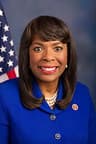 Terri Sewell
Democrat · Alabama
 Greg Stanton
Democrat · Arizona
 Suhas Subramanyam
Democrat · Virginia