Rules Committee · Nov 11, 2026
H.Amdt. 273: Its purpose is not yet published.
Adopted
With no one objecting, no names recorded

Frank Lucas (R-OK)
A Republican bill with 19 Democratic cosponsors · See all 24 cosponsors
Last activity — Received in the Senate and Read twice and referred to the Committee on Banking, Housing, and Urban Affairs.
In the other chamber's committee
Passed one chamber and has been handed to a committee in the other.
The committee decides whether it goes any further, and most bills that reach a committee never leave it. A committee that simply does nothing kills a bill without anyone ever voting against it, so no news from here is usually the news.
Its path through Congress
This bill is known as the Retirement Fairness for Charities and Educational Institutions Act of 2025. It amends Federal securities laws to enhance 403(b) retirement plans. The changes affect laws such as the Investment Company Act of 1940, the Securities Act of 1933, and the Securities Exchange Act of 1934. The text sets specific conditions regarding how these plans interact with collective trust funds and other investment options. It passed the House of Representatives on November 11, 2026.
Does this give people more protection from unfair business practices?
The bill enhances consumer protection by establishing fiduciary responsibilities for employers managing 403(b) investment options.
Would people over 65 be better off under this?
The bill enhances 403(b) retirement plans, which provides more security for individuals planning for retirement.
Would retired people be better off under this?
The bill strengthens 403(b) retirement plans through increased fiduciary duties and investment oversight.
No question was scored the opposite.
One recorded vote has been taken on this bill.
11/11/2026 · Roll call 321 · recorded as “On Passage”
Section 2(a) amends the Investment Company Act of 1940 to include certain 403(b) plans in collective trust funds maintained by banks, provided specific conditions are met such as being subject to the Employee Retirement Income Security Act of 1974, having an employer agree to serve as a fiduciary, or being a governmental plan. This could benefit participants by expanding their investment options through collective trust funds.
Section 2(b) amends the Securities Act of 1933 to update exemptions for 403(b) plans that meet specific criteria involving fiduciary oversight or governmental plan status. This may streamline the regulatory treatment of these retirement vehicles for participants and plan sponsors.
Section 2(a) requires that for certain 403(b) plans to utilize these provisions, the employer must agree to serve as a fiduciary for the plan regarding the selection of investments, or the plan must review and approve each investment alternative prior to it being offered. This creates strict regulatory conditions and added responsibilities for employers or plan fiduciaries.
Section 2(c) amends the Securities Exchange Act of 1934 with similar strict criteria and review requirements for 403(b) plans, which could place operational burdens on the entities managing these plans to ensure every investment alternative is properly reviewed and approved.
Every group the model scored this bill for, from -10 to +10. Tap or hover a score for the reason it gave.
The version one chamber actually passed
What changed from Reported in House: No change to the wording. Only the printed details that record the bill’s progress, such as the heading and dates, are different.
Rules Committee · Nov 11, 2026
Adopted
With no one objecting, no names recorded
2 bills Congress.gov lists as related to this one — companions in the other chamber, earlier versions, and bills this one absorbed or was folded into.
Republican · Kentucky

Democrat · Oregon
Democrat · Connecticut

Democrat · North Carolina
Democrat · Illinois

Democrat · New Jersey

Democrat · Nevada

Democrat · Pennsylvania

Democrat · California

Republican · New York
Republican · Pennsylvania

Democrat · New York

Democrat · Delaware
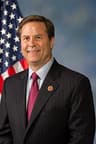
Democrat · New Jersey

Democrat · Colorado

Republican · Iowa

Democrat · California

Democrat · Colorado

Republican · Texas

Democrat · Georgia

Democrat · Alabama
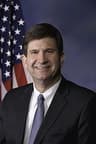
Democrat · Illinois

Democrat · New York

Democrat · Virginia