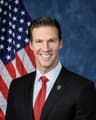
A Republican bill with 8 Republican cosponsors · See all 8 cosponsors
Last activity — Referred to the House Committee on Science, Space, and Technology.
In committee
Introduced and handed to a committee in the chamber it started in.
The committee holds it, and most bills are never heard from again. A hearing or a committee vote would be news; silence is the usual outcome, and it kills the bill without anyone voting against it.
Its path through Congress
- Introduced
- In Committee
What this bill would do
The bill is known as the Guarding American Technology from Exploitation Act of 2026 or the GATE Act of 2026. It stops National Laboratories from admitting certain foreign nationals as visitors or assignees. The banned individuals include foreign nationals from the People's Republic of China, the Russian Federation, the Islamic Republic of Iran, the Democratic People's Republic of Korea, and the Republic of Cuba. Lawfully admitted permanent residents and United States citizens are excluded from this ban. The Secretary of Energy can issue a waiver after consulting with specific counterintelligence officials if the benefits to the United States outweigh the risks.
Yes· 3 of 4
- Scored +4
Does this make patent and copyright rules fairer?
Aims to prevent foreign exploitation of US-funded technological research.
- Scored +3
Does this give the federal government more power?
Increases federal control over who can access National Laboratories.
- Scored +2
Does this make what the government does easier for the public to see?
Requires the Secretary of Energy to notify Congress when waivers are issued.
The opposite· 3 of 6
- Scored -6
Would immigrants be better off under this?
Directly prohibits specific foreign nationals from accessing national labs.
- Scored -4
Would Asian Americans be better off under this?
Could negatively impact researchers from China (a targeted country) who may be Asian Americans or residents.
- Scored -3
Would students be better off under this?
Restricts educational and research opportunities for students from targeted nations.
Who it would affect, and how
Potential Positive Impacts for People
- Protection of National Security and Technology: Section 2(b)(1) prohibits National Laboratories from admitting or giving access to covered foreign nationals as visitors or assignees, which helps prevent foreign access to laboratory premises, information, and technology.
Potential Negative Impacts for People
- Denial of Access for Specific Foreign Nationals: Section 2(b)(1) bars foreign nationals from China, Russia, Iran, North Korea, and Cuba from accessing National Laboratories as visitors or assignees unless a specific waiver is granted.
Groups and Interests Ranking
Every group the model scored this bill for, from -10 to +10. Tap or hover a score for the reason it gave.
- Demographic And Interest Groups
- Would immigrants be better off under this? — Directly prohibits specific foreign nationals from accessing national labs. Would Asian Americans be better off under this? — Could negatively impact researchers from China (a targeted country) who may be Asian Americans or residents. Would students be better off under this? — Restricts educational and research opportunities for students from targeted nations.
- National Security And Foreign Policy
- Does this favour talking over confrontation abroad? — Creates barriers for scientific collaboration with foreign nationals from specific nations. Does this strengthen ties with allied countries? — Could strain diplomatic relations with the targeted countries by restricting their nationals.
- Governance And Ideology
- Does this give the federal government more power? — Increases federal control over who can access National Laboratories. Does this make what the government does easier for the public to see? — Requires the Secretary of Energy to notify Congress when waivers are issued.
- Education And Technology
- Does this make patent and copyright rules fairer? — Aims to prevent foreign exploitation of US-funded technological research.
- Economy And Finance
- Is this likely to grow the economy? — Aims to protect American economic interests by preventing the exploitation of national laboratory technology.
- Social Issues And Justice
- Does this make it easier for immigrants already here to become citizens? — Restricts access for certain foreign nationals to research facilities, potentially hindering professional integration.
- 10/5/2026
- 1 Cosponsor added.
- 9/24/2026
- 2 Cosponsors added.
- 9/16/2026
- 1 Cosponsor added.
- 9/14/2026
- 2 Cosponsors added.
- 8/31/2026
- 2 Cosponsors added.
- 8/13/2026
- Referred to the House Committee on Science, Space, and Technology.
- Introduced in House
One bill Congress.gov lists as related to this one — companions in the other chamber, earlier versions, and bills this one absorbed or was folded into.
 Sheri Biggs
Republican · South Carolina
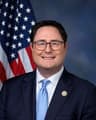 Mike Flood
Republican · Nebraska
 Paul Gosar
Republican · Arizona
 Mike Haridopolos
Republican · Florida
 Mark Harris
Republican · North Carolina
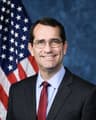 Derek Schmidt
Republican · Kansas
 Matt Van Epps
Republican · Tennessee
 Randy Weber
Republican · Texas