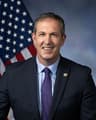
Johnny Olszewski (D-MD)
Proposing an amendment to the Constitution of the United States to limit the pardon power of the President.
A Democratic resolution with 1 Republican cosponsor · See all 10 cosponsors
Last activity — Referred to the House Committee on the Judiciary.
In committee
Introduced and handed to a committee in the chamber it started in.
The committee holds it, and most bills are never heard from again. A hearing or a committee vote would be news; silence is the usual outcome, and it kills the bill without anyone voting against it.
Its path through Congress
- Introduced
- In Committee
What this bill would do
This joint resolution proposes a Constitutional amendment to place limits on the President's power to grant reprieves or pardons. It requires the President to notify the Speaker of the House and the President pro tempore of the Senate within three days of granting a pardon. This notification starts a process where Congress can attempt to nullify the pardon through a specific legislative timeline. If Congress does not pass a bill to nullify the action, the pardon becomes effective after 90 days. The amendment also prevents the President from granting a pardon for an offense that Congress has already nullified.
Yes
- Scored +6
Does this make what the government does easier for the public to see?
The bill mandates strict notification timelines for presidential pardons to ensure legislative awareness.
- Scored +5
Does this give the federal government more power?
The bill increases the power of Congress to check and nullify the President's unilateral pardon authority.
The opposite
- Scored -3
Does this shorten or soften prison sentences?
The bill limits the President's ability to grant pardons, which could restrict the relief of criminal sentences.
- Scored -1
Would union members be better off under this?
The restriction on pardons may impact individuals seeking legal relief from criminal offenses related to labor actions.
Who it would affect, and how
Potential Positive Impacts for People
-
Congressional Oversight: The bill allows Congress to attempt to nullify a pardon through a vote of two-thirds of both Houses (Section 1). This provides a mechanism for legislative check on presidential actions.
-
Mandatory Notification: The President is required to transmit a notification of any reprieve or pardon within 3 days (Section 1). This ensures the legislative branch is informed of the President's actions.
-
Guaranteed Vote: Any bill to nullify a pardon that is signed by 20 Representatives or 5 Senators must be voted on (Section 2). This ensures that a specific group of officials can force a vote on the matter.
-
Enforcement Power: Congress is given the power to enforce the provisions of this article through appropriate legislation (Section 5).
Potential Negative Impacts for People
-
Loss of Pardon Validity: If the President fails to notify the Speaker of the House and the President pro tempore of the Senate within 3 days, the reprieve or pardon has no force or effect (Section 3). This could result in a pardon being invalidated due to a notification failure.
-
Restrictions on Repeated Pardons: The President is prohibited from granting a pardon for an offense that Congress has previously nullified (Section 4).
Groups and Interests Ranking
Every group the model scored this bill for, from -10 to +10. Tap or hover a score for the reason it gave.
- Governance And Ideology
- Does this make what the government does easier for the public to see? — The bill mandates strict notification timelines for presidential pardons to ensure legislative awareness. Does this give the federal government more power? — The bill increases the power of Congress to check and nullify the President's unilateral pardon authority.
- Social Issues And Justice
- Does this shorten or soften prison sentences? — The bill limits the President's ability to grant pardons, which could restrict the relief of criminal sentences.
- Demographic And Interest Groups
- Would union members be better off under this? — The restriction on pardons may impact individuals seeking legal relief from criminal offenses related to labor actions.
- 10/26/2026
- 3 Cosponsors added.
- 7/9/2026
- 1 Cosponsor added.
- 5/20/2026
- 1 Cosponsor added.
- 5/15/2026
- 2 Cosponsors added.
- 4/15/2026
- 1 Cosponsor added.
- 3/27/2026
- 1 Cosponsor added.
- 12/18/2025
- Referred to the House Committee on the Judiciary.
- 1 Cosponsor added.
- Introduced in House
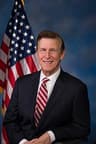 Donald Beyer
Democrat · Virginia
 Don Bacon
Republican · Nebraska
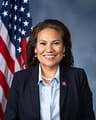 Veronica Escobar
Democrat · Texas
 Sarah Elfreth
Democrat · Maryland
 Julie Johnson
Democrat · Texas
 Mike Levin
Democrat · California
 Greg Landsman
Democrat · Ohio
 Shri Thanedar
Democrat · Michigan
 George Whitesides
Democrat · California
 James Walkinshaw
Democrat · Virginia