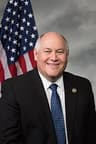
Ron Estes (R-KS)
Recognizing the visionary leadership of Chief Richard LaMunyon and the profound global impact of the Law Enforcement Torch Run for Special Olympics.
A Republican resolution with no cosponsors
Last activity — Referred to the Committee on Foreign Affairs, and in addition to the Committee on the Judiciary, for a period to be subsequently determined by the Speaker, in each case for consideration of such provisions as fall within the jurisdiction of the committee concerned.
In committee
Introduced and handed to a committee in the chamber it started in.
The committee holds it, and most bills are never heard from again. A hearing or a committee vote would be news; silence is the usual outcome, and it kills the bill without anyone voting against it.
Its path through Congress
- Introduced
- In Committee
A concurrent resolution is how the House and the Senate settle something they do together, such as a budget plan or a joint session. It is adopted once both chambers agree to it, and that puts it into effect; it is not a law, so it does not go to the President.
What this bill would do
This resolution recognizes the leadership of Chief Richard LaMunyon and the global impact of the Law Enforcement Torch Run for Special Olympics. It notes that Chief LaMunyon started the first run in Wichita, Kansas, in 1981 after being inspired at the Special Olympics Kansas State Summer Games. The text highlights that the movement has grown to span all 50 States, Canadian provinces, and over 25 other countries. It mentions that more than 150,000 law enforcement officers now participate annually. The resolution states that the movement has raised over 1.1 billion dollars for individuals with intellectual disabilities since its inception. Finally, Congress officially recognizes Chief LaMunyon, commends the participating officers, and celebrates the stability the run provides to the Special Olympics.
Yes· 3 of 6
- Scored +5
Would people with disabilities be better off under this?
Commends and supports initiatives that directly benefit individuals with intellectual disabilities through the Special Olympics.
- Scored +3
Does this expand the rights of people with disabilities?
The resolution honors the Law Enforcement Torch Run, which raises funds and awareness for individuals with intellectual disabilities.
- Scored +2
Would children be better off under this?
Supports youth participants in Special Olympics events.
The opposite
No question was scored the opposite.
Who it would affect, and how
Potential Positive Impacts for People
-
Recognition of Leadership: Under the resolved section, Congress recognizes Chief Richard LaMunyon for his visionary leadership in founding the Law Enforcement Torch Run. This honors the efforts used to eliminate financial burdens on athletes and their families, as mentioned in the preamble.
-
Commending Law Enforcement: Under the resolved section, Congress commends the 150,000 law enforcement officers who carry the ``Flame of Hope'' and foster community inclusion. This highlights the positive interactions between officers and athletes.
-
Global Support for Special Olympics: The text celebrates the ``roaring flame of stability'' that the Law Enforcement Torch Run provides to the Special Olympics movement worldwide. The preamble notes that the movement has raised a total of $1,139,597,747 to support individuals with intellectual disabilities since it began.
Potential Negative Impacts for People
- No Negative Impacts Identified: The provided text does not contain any sections or provisions that outline negative consequences or burdens for individuals or groups of people in the United States.
Groups and Interests Ranking
Every group the model scored this bill for, from -10 to +10. Tap or hover a score for the reason it gave.
- Demographic And Interest Groups
- Would people with disabilities be better off under this? — Commends and supports initiatives that directly benefit individuals with intellectual disabilities through the Special Olympics. Would children be better off under this? — Supports youth participants in Special Olympics events. Would households on low incomes be better off under this? — Eliminates financial burdens on athletes and their families for participating in events. Would people in their twenties and thirties be better off under this? — Supports young adult athletes in Special Olympics programs.
- Social Issues And Justice
- Does this expand the rights of people with disabilities? — The resolution honors the Law Enforcement Torch Run, which raises funds and awareness for individuals with intellectual disabilities. Does this change how police departments operate? — The resolution commends law enforcement officers for their community inclusion efforts through the Special Olympics.
- 3/5/2026
- Submitted in House
- Referred to the Committee on Foreign Affairs, and in addition to the Committee on the Judiciary, for a period to be subsequently determined by the Speaker, in each case for consideration of such provisions as fall within the jurisdiction of the committee concerned.