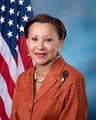
Nydia Velázquez (D-NY)
Expressing support for the recognition of September 26, 2026, as "World Contraception Day" and expressing the sense of the House of Representatives regarding global and domestic access to contraception.
A Democratic resolution with 1 Democratic cosponsor · See the cosponsor
Last activity — Referred to the Committee on Energy and Commerce, and in addition to the Committee on Foreign Affairs, for a period to be subsequently determined by the Speaker, in each case for consideration of such provisions as fall within the jurisdiction of the committee concerned.
In committee
Introduced and handed to a committee in the chamber it started in.
The committee holds it, and most bills are never heard from again. A hearing or a committee vote would be news; silence is the usual outcome, and it kills the bill without anyone voting against it.
Its path through Congress
- Introduced
- In Committee
A concurrent resolution is how the House and the Senate settle something they do together, such as a budget plan or a joint session. It is adopted once both chambers agree to it, and that puts it into effect; it is not a law, so it does not go to the President.
What this bill would do
This resolution expresses support for recognizing September 26, 2026, as World Contraception Day. It outlines the House of Representatives' stance that global and domestic access to contraception is vital for public health, educational attainment, and economic well-being. The text details various historical and modern barriers to reproductive health care, including racial and socioeconomic disparities and regional contraception deserts. Furthermore, it states the sense of Congress that the federal government should take steps to ensure universal, affordable access to contraception. Finally, the measure calls for the expansion of comprehensive sex education, insurance coverage, and support for domestic and international family planning programs.
Yes· 3 of 23
- Scored +6
Would women be better off under this?
The resolution focuses extensively on improving women's health, bodily autonomy, and access to contraceptive care.
- Scored +6
Does this narrow the gap between how men and women are treated?
The measure advocates for reproductive justice and addressing gender discrimination in healthcare access.
- Scored +6
Does this make health care easier to get in general?
The measure expresses support for ensuring universal and affordable access to contraception and reproductive health services.
The opposite
No question was scored the opposite.
Who it would affect, and how
Potential Positive Impacts for People
-
Universal and Affordable Access: Resolution section (1) states that Congress and the Trump administration should take steps to ensure that all people have universal, expansive, high-quality access to free or affordable contraception. This could directly benefit individuals struggling with the costs of health products.
-
Enhanced Insurance Coverage: Resolution section (4) calls for ensuring people have access to affordable, comprehensive, and consistent insurance coverage for reproductive health care needs, including contraception without a prescription or cost sharing and abortion. This helps remove financial roadblocks for patients.
-
Expanded Medical Training: Resolution section (5) advises the expansion of training for primary care physicians regarding counseling, provision, and follow-up care for highly effective reversible contraception. This aims to increase the availability of effective birth control methods through local primary care providers.
-
Support for Domestic and Global Programs: Resolution section (12) states that Congress supports additional funding for global and domestic programs that increase access to contraception, such as title X, Medicaid, the Indian Health Service, TRICARE, and the United States Agency for International Development. This provision aims to bolster existing health networks that people rely on.
Potential Negative Impacts for People
- No negative impacts could be explicitly identified from the text.
Groups and Interests Ranking
Every group the model scored this bill for, from -10 to +10. Tap or hover a score for the reason it gave.
- Demographic And Interest Groups
- Would women be better off under this? — The resolution focuses extensively on improving women's health, bodily autonomy, and access to contraceptive care. Would households on low incomes be better off under this? — The measure advocates for free or affordable contraception and robust support for public health programs utilized by low-income individuals. Would people in their twenties and thirties be better off under this? — Young adults benefit significantly from expanded, affordable access to contraception and sex education. Would Black Americans be better off under this? — The text directly addresses racial disparities in maternal mortality and morbidity affecting Black Americans. Would Hispanic Americans be better off under this? — The resolution addresses socioeconomic and ethnic disparities in accessing reproductive healthcare. Would immigrants be better off under this? — The text explicitly addresses immigrant communities and the need to end disparities based on immigration status. Would LGBTQ people be better off under this? — The text calls for addressing unique barriers and discrimination faced by LGBTQ+ individuals in healthcare settings. Would Native Americans be better off under this? — The measure highlights historical injustices and advocates for improved healthcare access through the Indian Health Service. Would people with disabilities be better off under this? — The resolution acknowledges past ableism and calls for equitable care for people with disabilities. Would students be better off under this? — The measure supports expanding comprehensive sex education and educational opportunities tied to family planning. Would children be better off under this? — Better family planning resources contribute to improved childhood and educational outcomes. Would veterans be better off under this, taking everything together? — The resolution supports maintaining family planning and reproductive health access through programs like TRICARE.
- Social Issues And Justice
- Does this narrow the gap between how men and women are treated? — The measure advocates for reproductive justice and addressing gender discrimination in healthcare access. Does this narrow racial gaps in how people are treated? — The text highlights the need to end racial and ethnic disparities in reproductive health care outcomes. Does this expand the rights of people with disabilities? — The resolution explicitly addresses the healthcare needs and historical mistreatment of people with disabilities. Does this expand the rights of LGBTQ people? — The resolution emphasizes addressing barriers faced by LGBTQ+ individuals and promoting gender-inclusive policies. Is this likely to lift people out of poverty? — Improving access to family planning and reproductive health contributes to long-term economic well-being and stability.
- Healthcare
- Does this make health care easier to get in general? — The measure expresses support for ensuring universal and affordable access to contraception and reproductive health services. Does this put more money into Medicaid, the health coverage for people on low incomes? — The resolution supports maintaining and expanding funding for domestic family planning programs including Medicaid. Does this lower what people pay for private health insurance? — The resolution calls for comprehensive insurance coverage for contraception without cost-sharing.
- National Security And Foreign Policy
- Does this send more money or help to other countries? — The measure supports continued United States foreign assistance for global contraception and reproductive health programs. Does this increase the pay, pensions or support veterans receive? — The resolution supports maintaining and bolstering programs such as TRICARE and the Indian Health Service for healthcare access.
- Education And Technology
- Does this put more money into public schools? — The text calls for expanding comprehensive and medically accurate sex education in schools.
- 10/1/2026
- Submitted in House
- Referred to the Committee on Energy and Commerce, and in addition to the Committee on Foreign Affairs, for a period to be subsequently determined by the Speaker, in each case for consideration of such provisions as fall within the jurisdiction of the committee concerned.
- 1 Cosponsor added.
One bill Congress.gov lists as related to this one — companions in the other chamber, earlier versions, and bills this one absorbed or was folded into.
 Adelita Grijalva
Democrat · Arizona