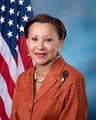
Nydia Velázquez (D-NY)
To direct the removal of United States Armed Forces from hostilities within or against the Republic of Cuba that have not been authorized by Congress.
A Democratic resolution with 13 Democratic cosponsors · See all 13 cosponsors
Last activity — Referred to the House Committee on Foreign Affairs.
In committee
Introduced and handed to a committee in the chamber it started in.
The committee holds it, and most bills are never heard from again. A hearing or a committee vote would be news; silence is the usual outcome, and it kills the bill without anyone voting against it.
Its path through Congress
- Introduced
- In Committee
A concurrent resolution is how the House and the Senate settle something they do together, such as a budget plan or a joint session. It is adopted once both chambers agree to it, and that puts it into effect; it is not a law, so it does not go to the President.
What this bill would do
This resolution directs the President to remove United States Armed Forces from hostilities within or against the Republic of Cuba. This action is required unless the hostilities are explicitly authorized by a declaration of war or a specific authorization for use of military force. It is submitted pursuant to section 5(c) of the War Powers Resolution.
Yes· 3 of 6
- Scored +5
Does this favour talking over confrontation abroad?
Reducing unauthorized hostilities may decrease tensions with Cuba and facilitate diplomacy.
- Scored +3
Does this reduce what is spent on the military?
Directs the removal of forces from unauthorized hostilities, potentially lowering costs.
- Scored +3
Would Hispanic Americans be better off under this?
May be viewed positively by those with familial ties to Cuba given the focus on removing hostilities.
The opposite
- Scored -5
Does this give the federal government more power?
Restricts the President's unilateral power to conduct military hostilities.
Who it would affect, and how
Potential Positive Impacts for People
- End of unauthorized hostilities: The bill directs the removal of Armed Forces from hostilities in or against Cuba that lack congressional authorization, which may reduce military conflict. (Resolved by the House of Representatives)
Potential Negative Impacts for People
- No negative impacts for individuals or groups are explicitly mentioned in the provided text.
Groups and Interests Ranking
Every group the model scored this bill for, from -10 to +10. Tap or hover a score for the reason it gave.
- National Security And Foreign Policy
- Does this favour talking over confrontation abroad? — Reducing unauthorized hostilities may decrease tensions with Cuba and facilitate diplomacy. Does this reduce what is spent on the military? — Directs the removal of forces from unauthorized hostilities, potentially lowering costs.
- Governance And Ideology
- Does this give the federal government more power? — Restricts the President's unilateral power to conduct military hostilities.
- Economy And Finance
- Does this make the government pay for what it commits to? — Asserts congressional oversight over military spending and authorizations. Does this reduce what the federal government spends? — Removal of forces from hostilities generally reduces immediate military spending. Does this reduce what the federal government owes? — Reducing unauthorized military hostilities can lead to lower operational expenditures.
- Demographic And Interest Groups
- Would Hispanic Americans be better off under this? — May be viewed positively by those with familial ties to Cuba given the focus on removing hostilities.
- 9/14/2026
- 2 Cosponsors added.
- 9/2/2026
- 1 Cosponsor added.
- 7/21/2026
- 1 Cosponsor added.
- 6/3/2026
- 2 Cosponsors added.
- 6/2/2026
- 2 Cosponsors added.
- 5/29/2026
- 2 Cosponsors added.
- 5/26/2026
- 2 Cosponsors added.
- 5/22/2026
- Submitted in House
- Referred to the House Committee on Foreign Affairs.
- 1 Cosponsor added.
 Yassamin Ansari
Democrat · Arizona
 Joaquin Castro
Democrat · Texas
 Greg Casar
Democrat · Texas
 Maxine Dexter
Democrat · Oregon
 Jesús García
Democrat · Illinois
 Pramila Jayapal
Democrat · Washington
 Jonathan Jackson
Democrat · Illinois
 James McGovern
Democrat · Massachusetts
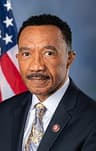 Kweisi Mfume
Democrat · Maryland
 Gregory Meeks
Democrat · New York
 Delia Ramirez
Democrat · Illinois
 Melanie Stansbury
Democrat · New Mexico
 Lori Trahan
Democrat · Massachusetts